Advanced Idle Control Valve Sensor: Optimizing Engine Performance and Efficiency

All Categories

Get a Free Quote

Our representative will contact you soon.
Email
Name
Company Name
Message
0/1000

idle control valve sensor

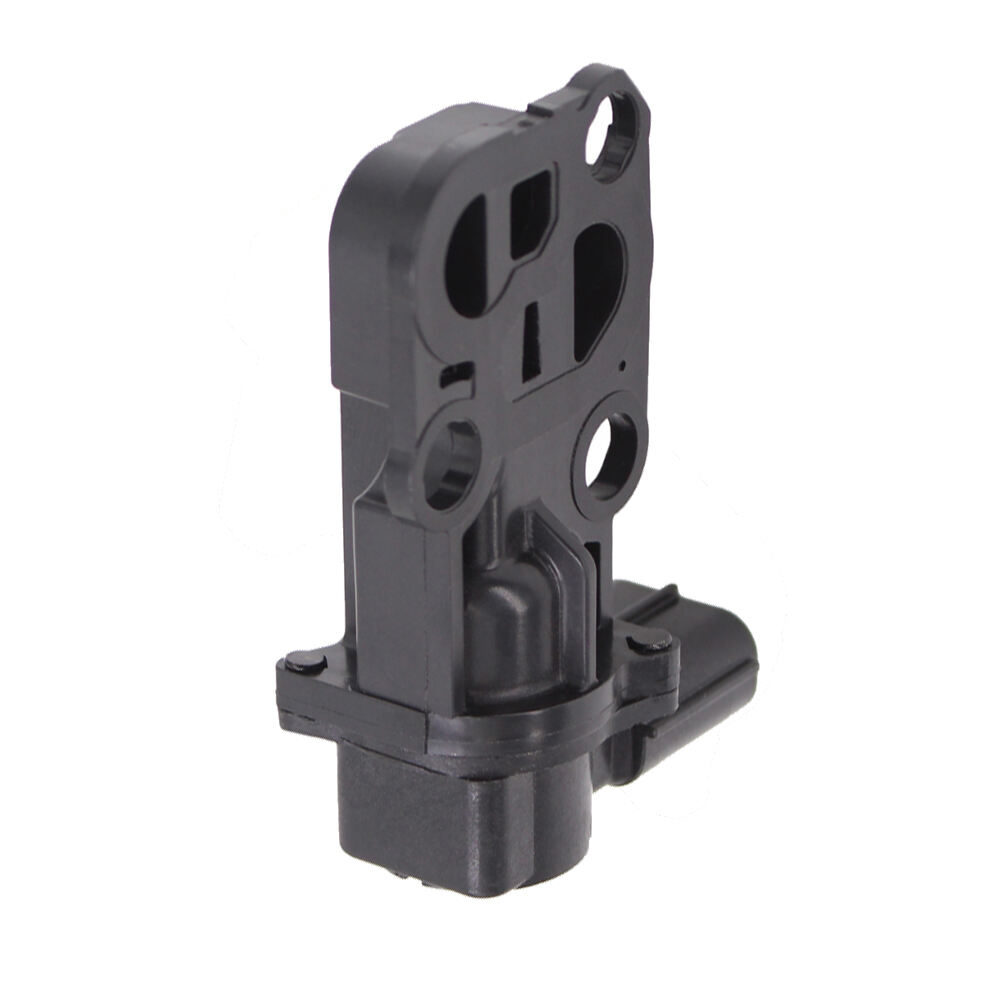
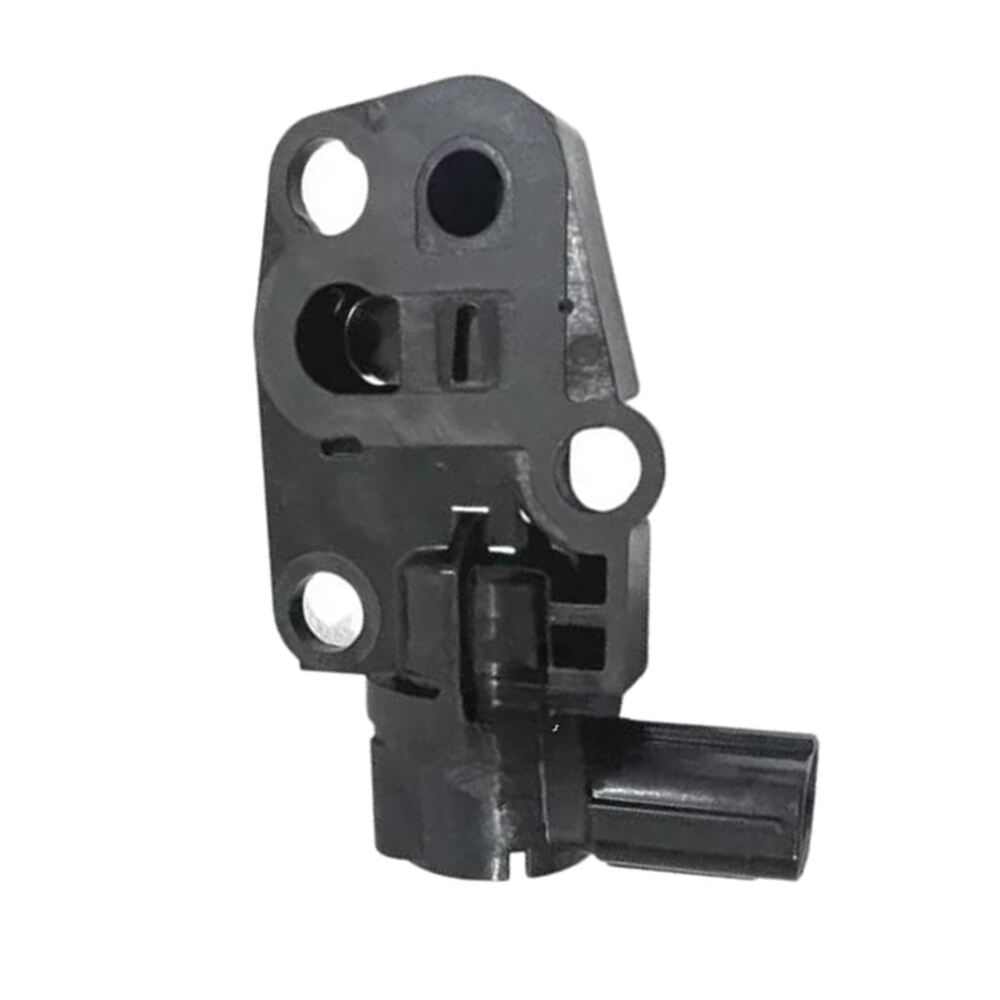
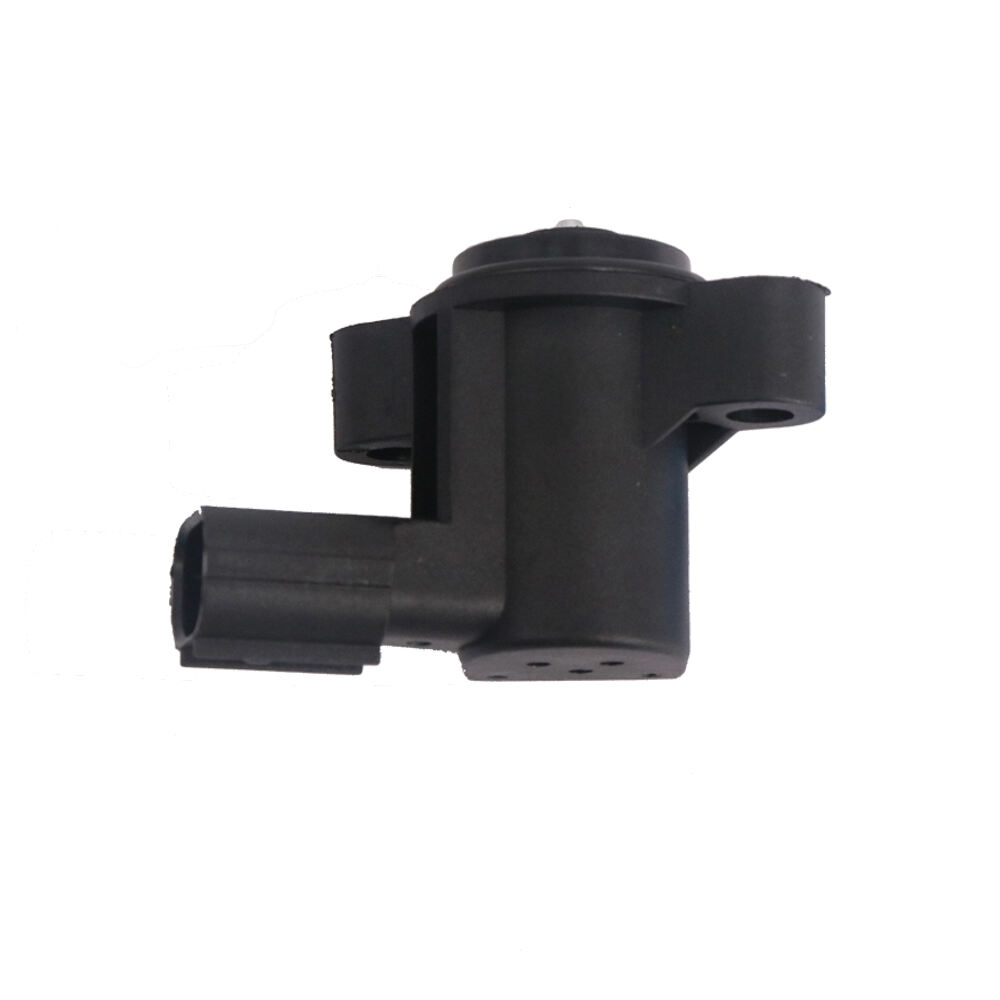
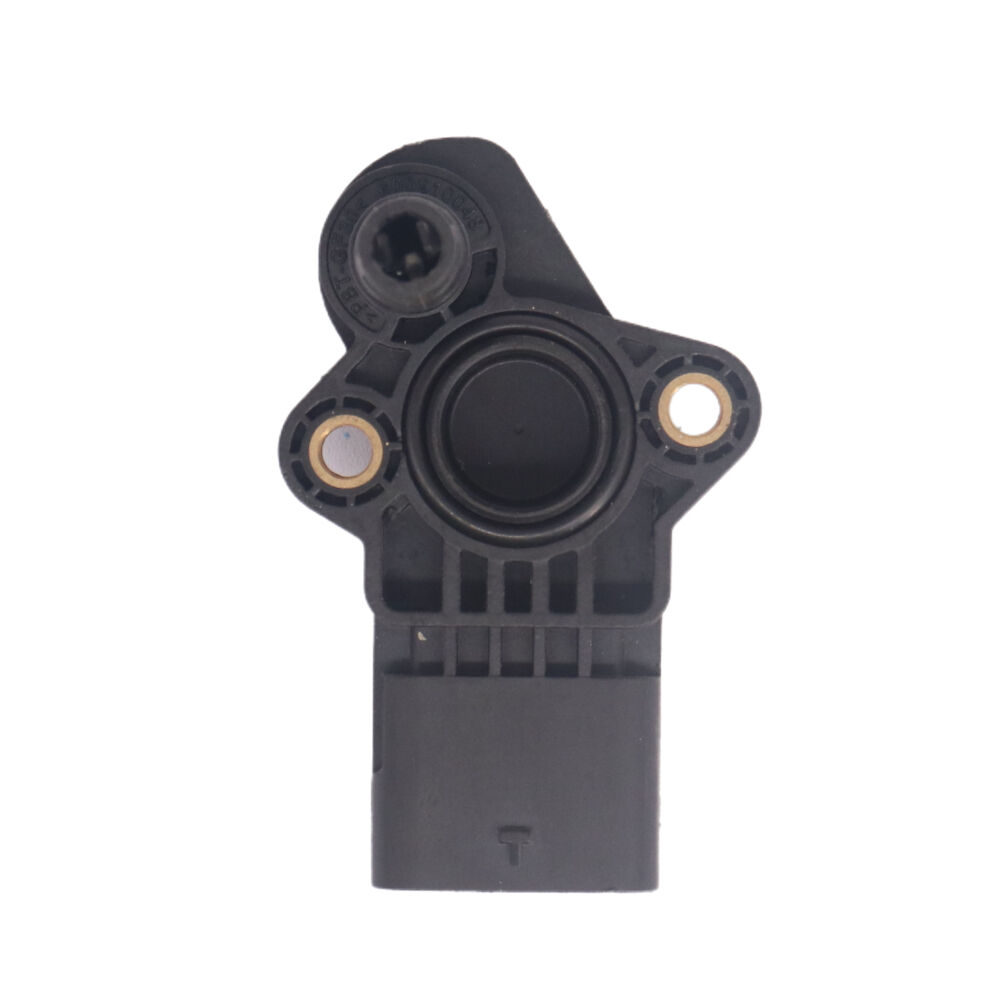
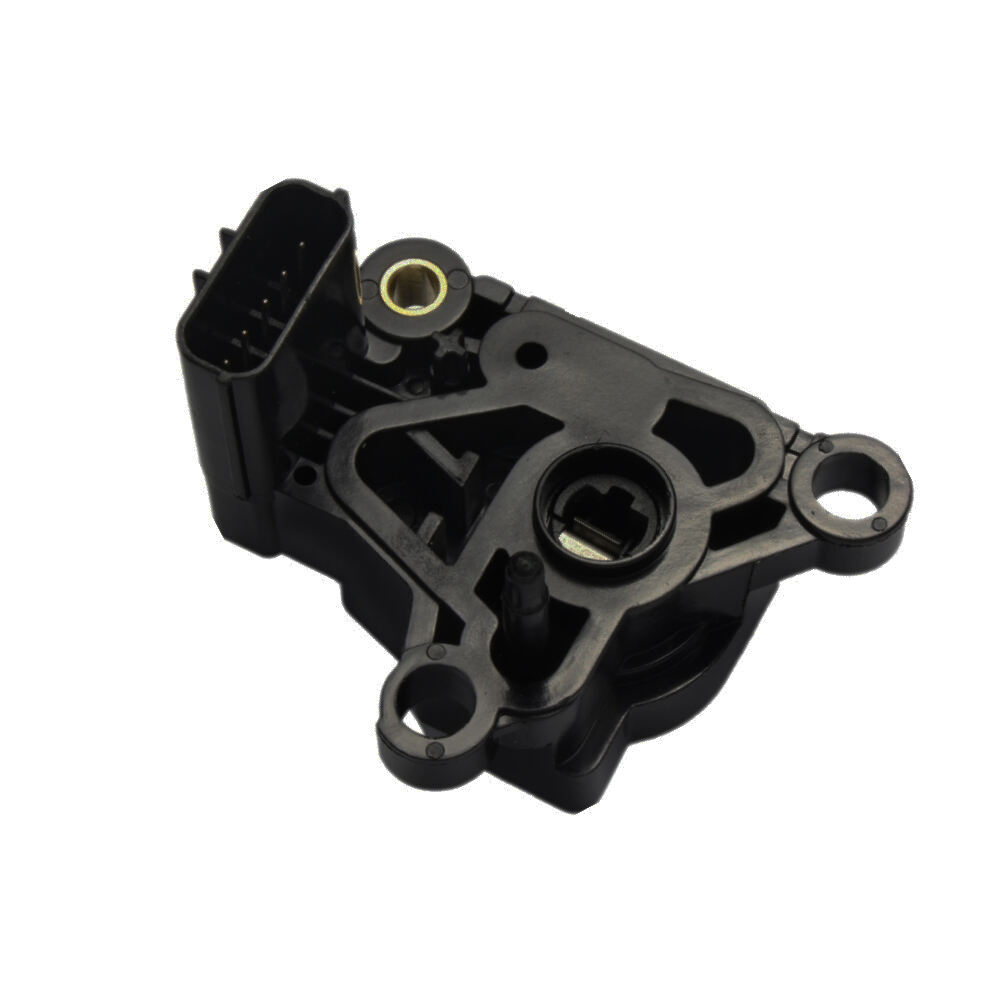
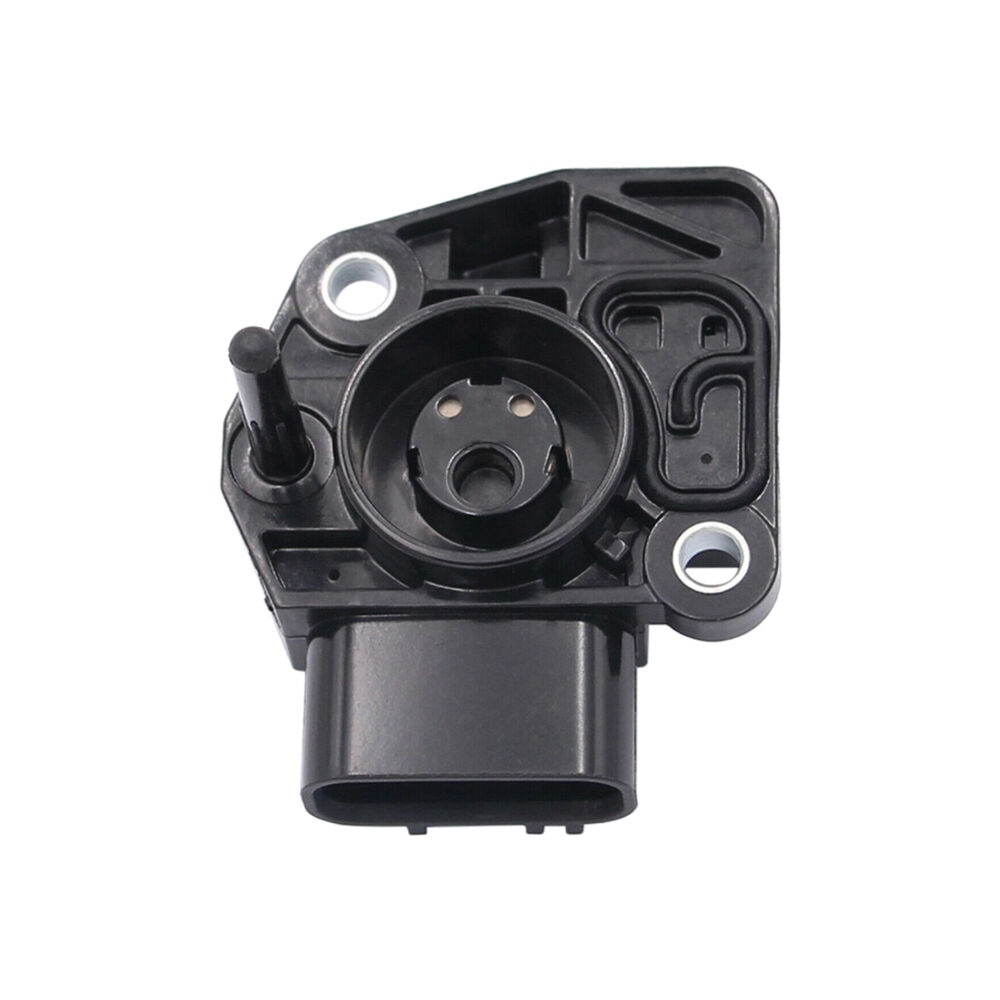
The idle control valve sensor is a crucial component in modern vehicle engine management systems, responsible for maintaining optimal engine idle speed and ensuring smooth operation during various driving conditions. This sophisticated device continuously monitors and adjusts the amount of air bypassing the throttle plate, effectively controlling the engine's idle speed. Operating through a combination of mechanical and electronic systems, the sensor works in conjunction with the vehicle's ECU (Engine Control Unit) to process multiple data points, including engine temperature, load, and atmospheric conditions. The sensor's primary function is to maintain a consistent idle speed regardless of external factors or engine load changes, such as when the air conditioning system is engaged or during power steering operations. Its advanced design incorporates precision engineering that allows for real-time adjustments, ensuring the engine maintains the manufacturer's specified idle speed parameters. In addition to its primary function, the idle control valve sensor plays a vital role in reducing emissions and improving fuel efficiency by optimizing air-fuel mixture during idle conditions. This component is essential for modern vehicles meeting stringent environmental regulations while maintaining optimal performance standards.


New Product Recommendations

The idle control valve sensor offers numerous practical benefits that make it an indispensable component in modern vehicle systems. First and foremost, it significantly improves fuel efficiency by maintaining optimal engine idle speeds, preventing unnecessary fuel consumption during stationary periods. This translates to direct cost savings for vehicle owners through reduced fuel consumption. The sensor also enhances overall engine performance by ensuring smooth and stable idle operation, which reduces engine wear and extends the vehicle's lifespan. Another key advantage is its contribution to environmental protection through optimized engine operation, resulting in reduced emissions and a smaller carbon footprint. The sensor's adaptive learning capabilities allow it to adjust to changing engine conditions over time, ensuring consistent performance throughout the vehicle's life cycle. From a maintenance perspective, the idle control valve sensor's robust design and reliability mean less frequent repairs and lower maintenance costs. The sensor's advanced diagnostic capabilities enable early detection of potential issues, preventing more serious engine problems from developing. For drivers, the benefits include improved driving comfort through smoother engine operation, particularly during cold starts and when operating vehicle accessories. The sensor also enhances safety by maintaining stable engine operation during critical moments, such as when switching between drive and park modes. Additionally, its integration with modern engine management systems contributes to better overall vehicle responsiveness and performance across various driving conditions.

Practical Tips

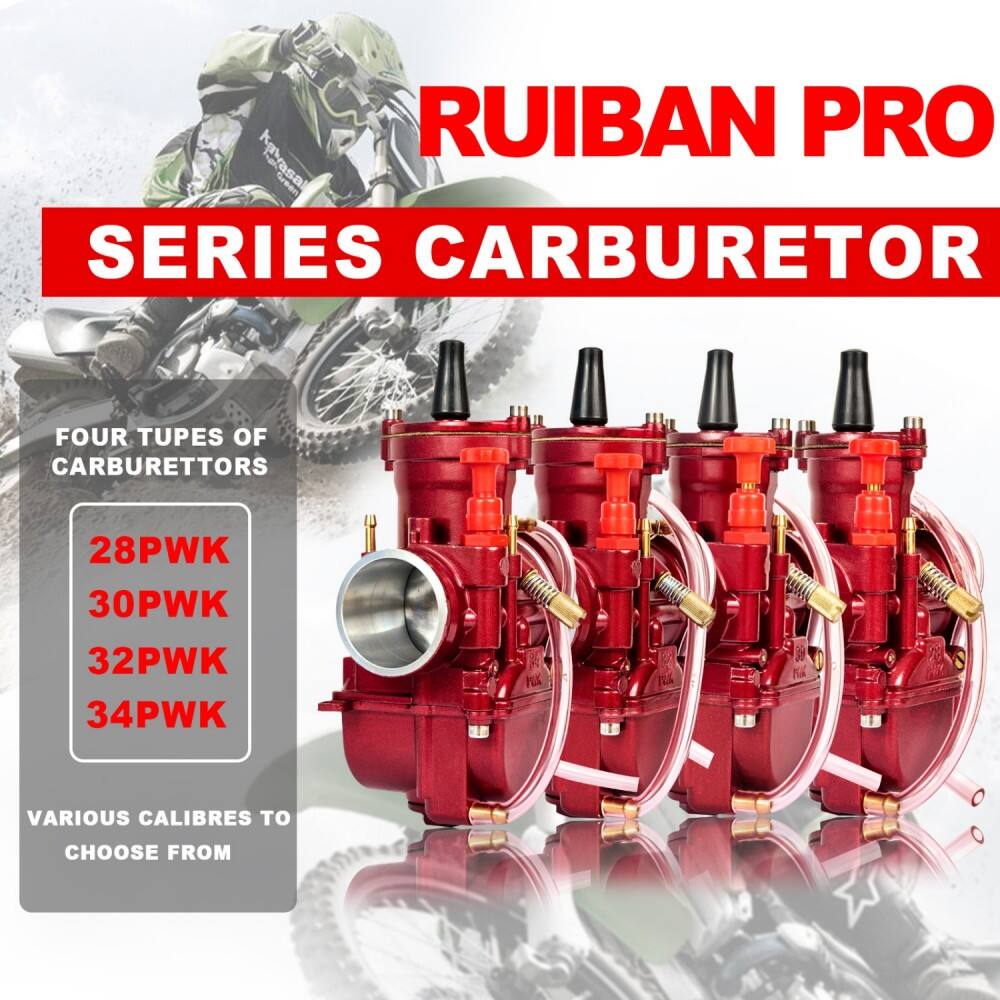
What Is The Difference Between The Different Sized PWK Carburetors?

29

Jul

What Is The Difference Between The Different Sized PWK Carburetors?

View More
RS150 Motorcycle Tps Sensors In Different Colors Bring Different Visual Experiences

29

Jul

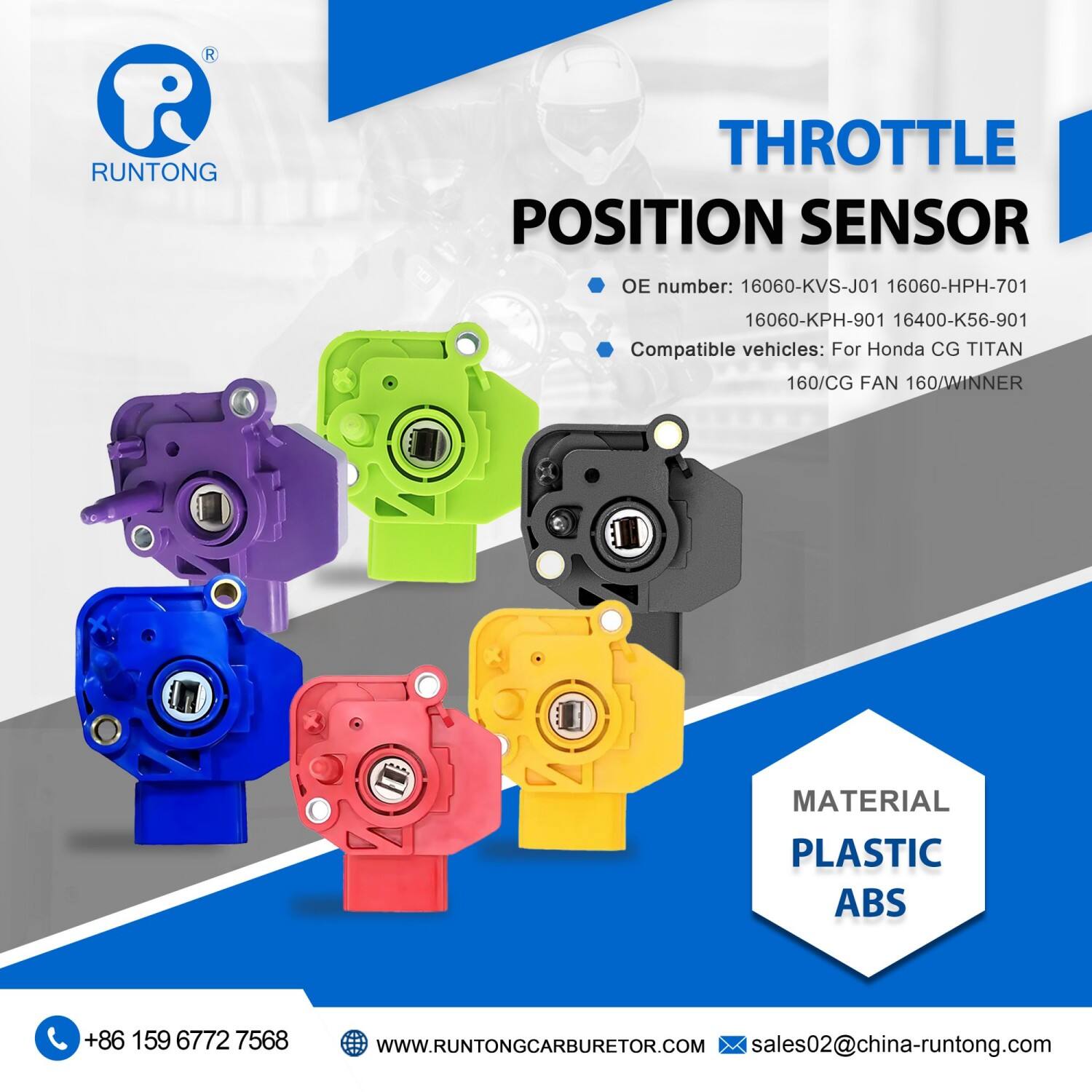
RS150 Motorcycle Tps Sensors In Different Colors Bring Different Visual Experiences

View More
Aftermarket Yamaha Aerox155 Nvx155 Throttle Body Brings Better Driving Experience

29

Jul

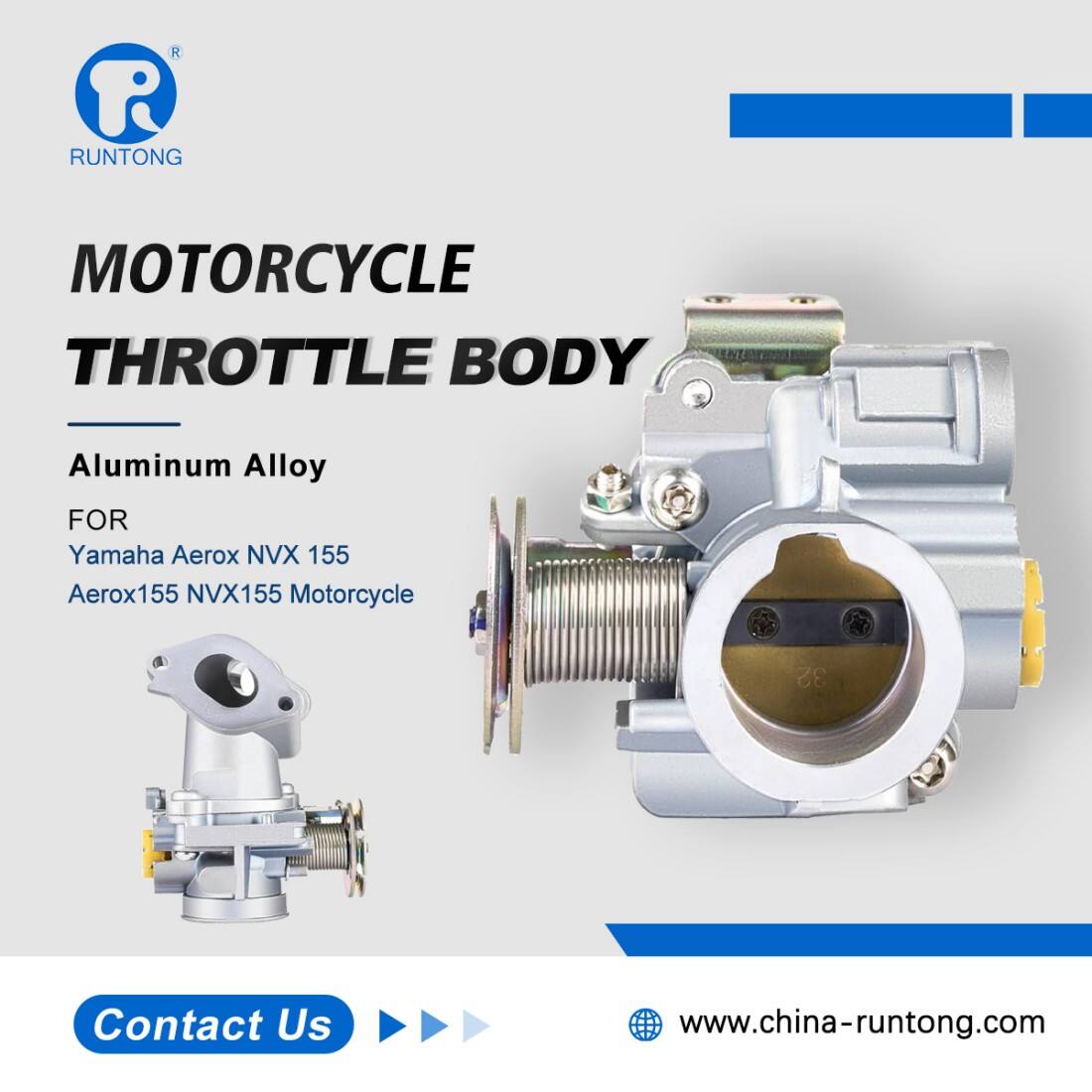
Aftermarket Yamaha Aerox155 Nvx155 Throttle Body Brings Better Driving Experience

View More

Get a Free Quote

Our representative will contact you soon.
Email
Name
Company Name
Message
0/1000

idle control valve sensor

Advanced Electronic Integration

Advanced Electronic Integration

The idle control valve sensor's sophisticated electronic integration represents a significant advancement in engine management technology. This feature utilizes state-of-the-art microprocessors that continuously monitor and process multiple data streams from various engine sensors. The system's ability to make real-time adjustments at millisecond intervals ensures optimal engine performance under all operating conditions. The advanced electronic integration also enables seamless communication with the vehicle's main computer system, allowing for more precise control over engine operations. This integration supports adaptive learning capabilities, where the system can adjust its parameters based on driving patterns and environmental conditions, ensuring optimal performance throughout the vehicle's lifetime.
Precision Engineering and Durability

Precision Engineering and Durability

The construction of the idle control valve sensor showcases exceptional precision engineering and durability standards. Built with high-grade materials and tested under extreme conditions, the sensor is designed to maintain consistent performance throughout its operational life. The component's robust construction includes corrosion-resistant materials and sealed electronics that protect against environmental factors such as moisture, heat, and vibration. This durability translates to extended service life and reduced maintenance requirements, making it a cost-effective solution for vehicle owners. The precision engineering ensures accurate air flow control, maintaining optimal idle speeds within extremely tight tolerances.
Environmental Impact Reduction

Environmental Impact Reduction

One of the most significant features of the idle control valve sensor is its contribution to environmental impact reduction. Through precise control of engine idle speeds and air-fuel mixture optimization, the sensor helps reduce harmful emissions significantly. This feature is particularly important in meeting increasingly stringent environmental regulations worldwide. The sensor's ability to maintain optimal engine operation reduces unnecessary fuel consumption, directly contributing to lower carbon dioxide emissions. Additionally, the improved engine efficiency results in reduced nitrogen oxide and hydrocarbon emissions, making vehicles equipped with this sensor more environmentally friendly. This environmental benefit extends beyond mere compliance with regulations, representing a genuine contribution to reducing automotive environmental impact.

Get a Free Quote

Our representative will contact you soon.
Email
Name
Company Name
Message
0/1000