High-Performance Testing Idle Control Valve: Advanced Engine Management Solution

All Categories

Get a Free Quote

Our representative will contact you soon.
Email
Name
Company Name
Message
0/1000

testing idle control valve

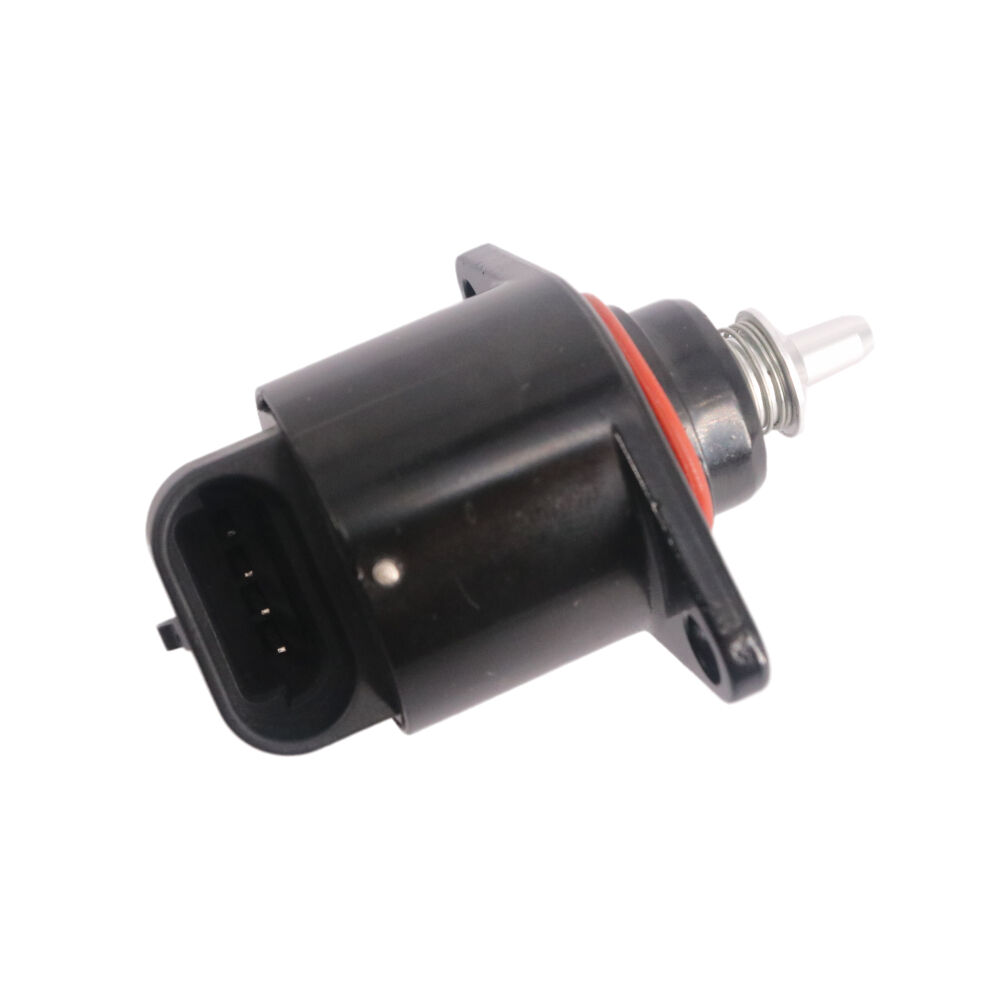
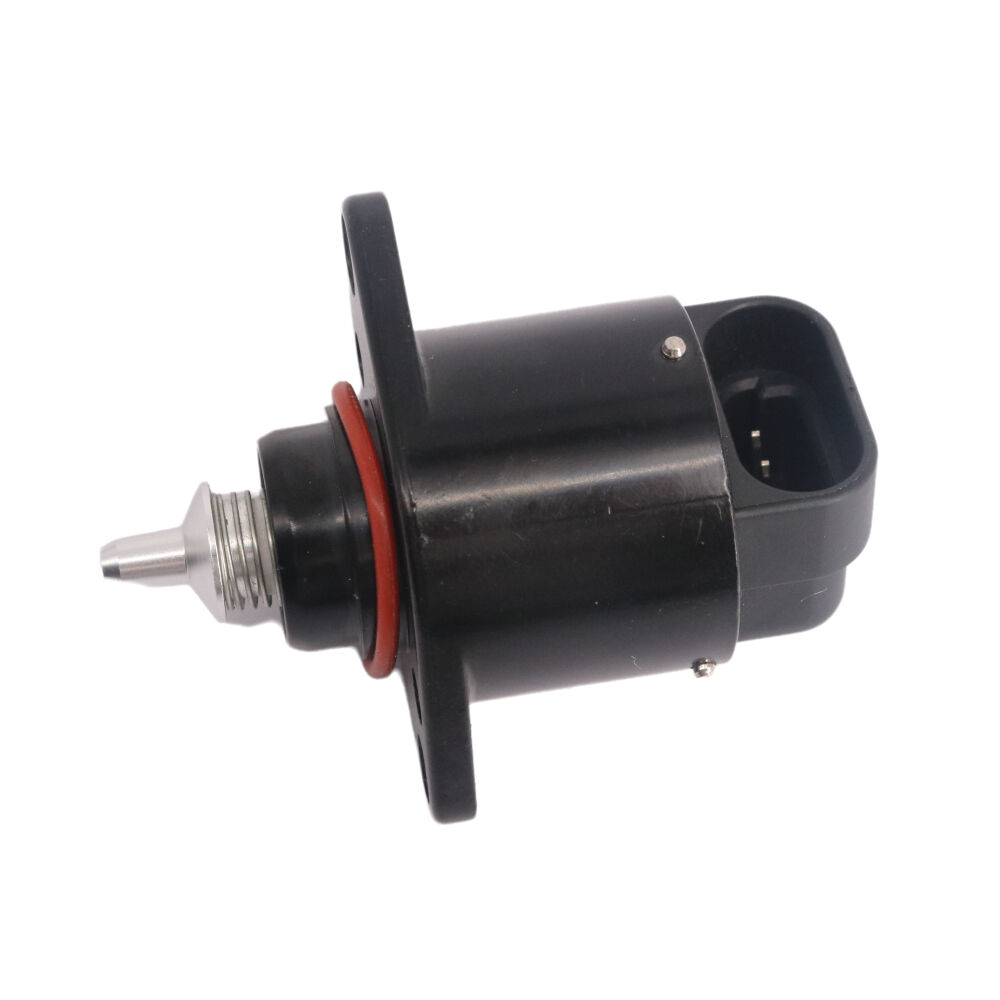
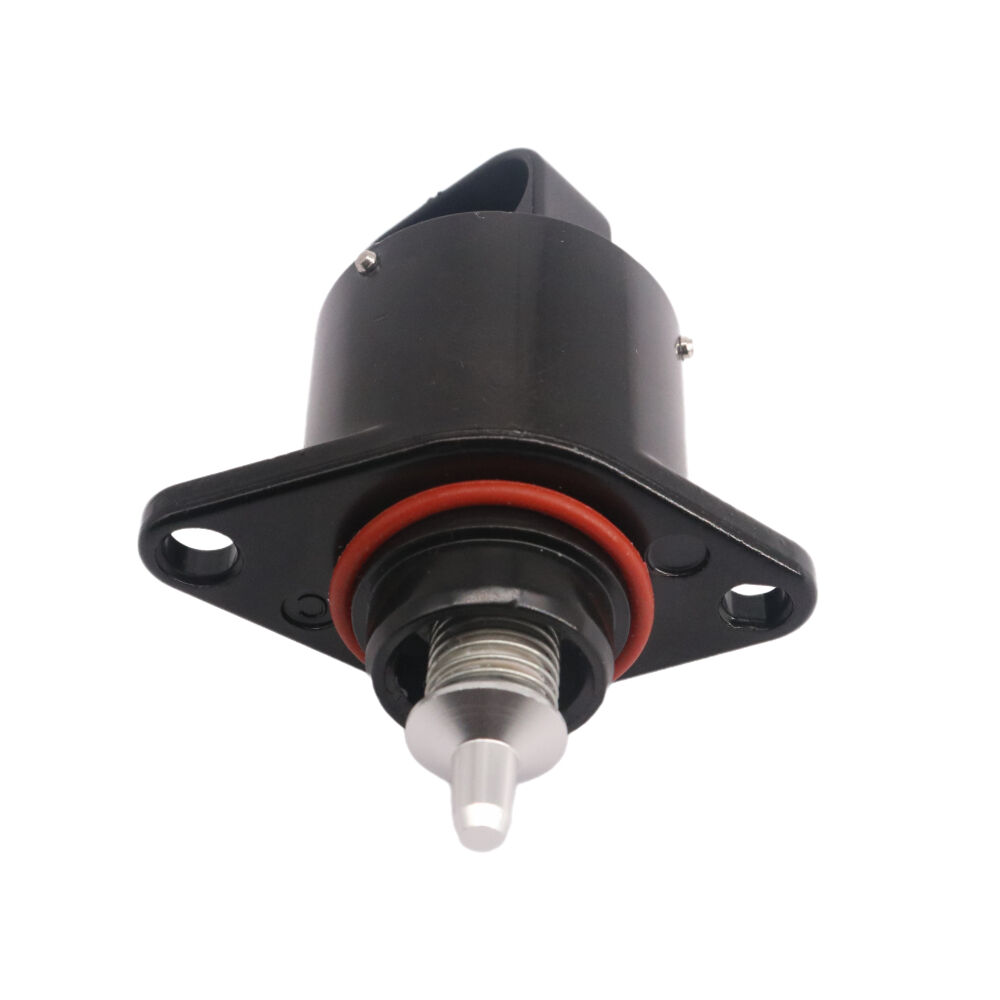
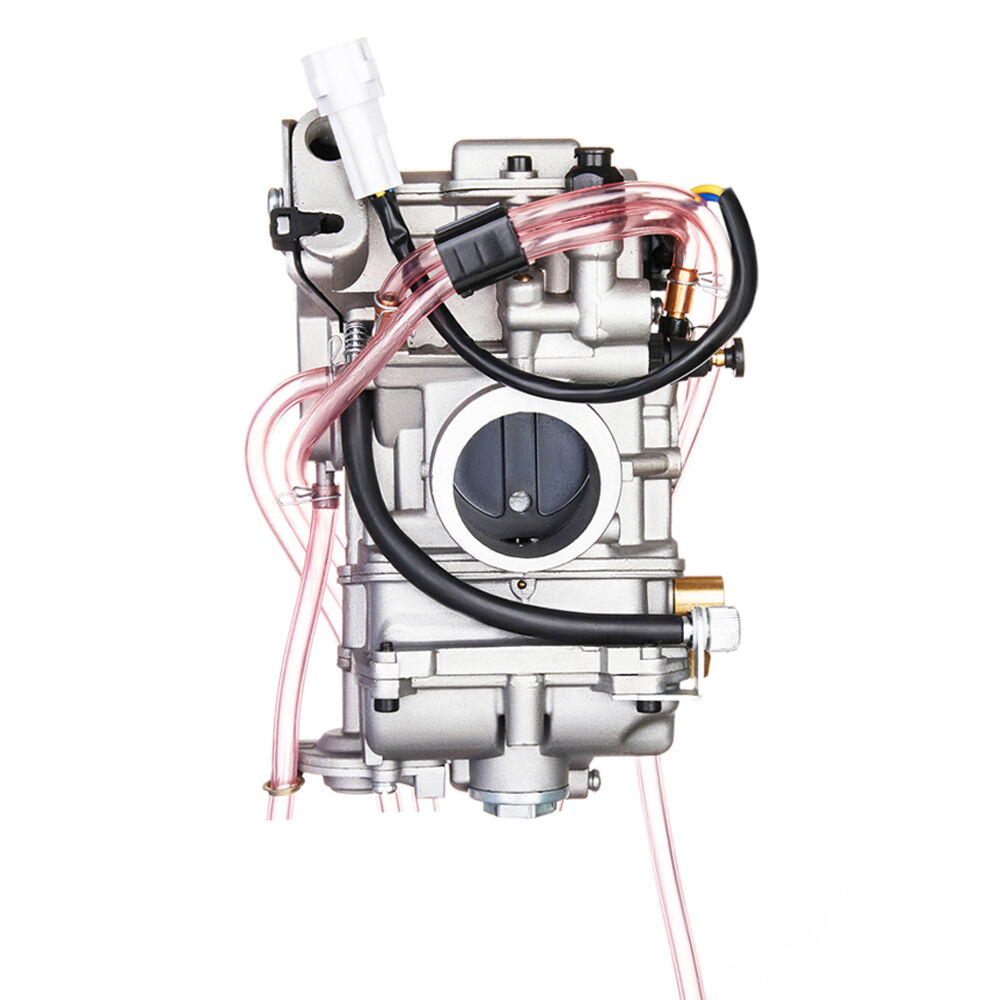
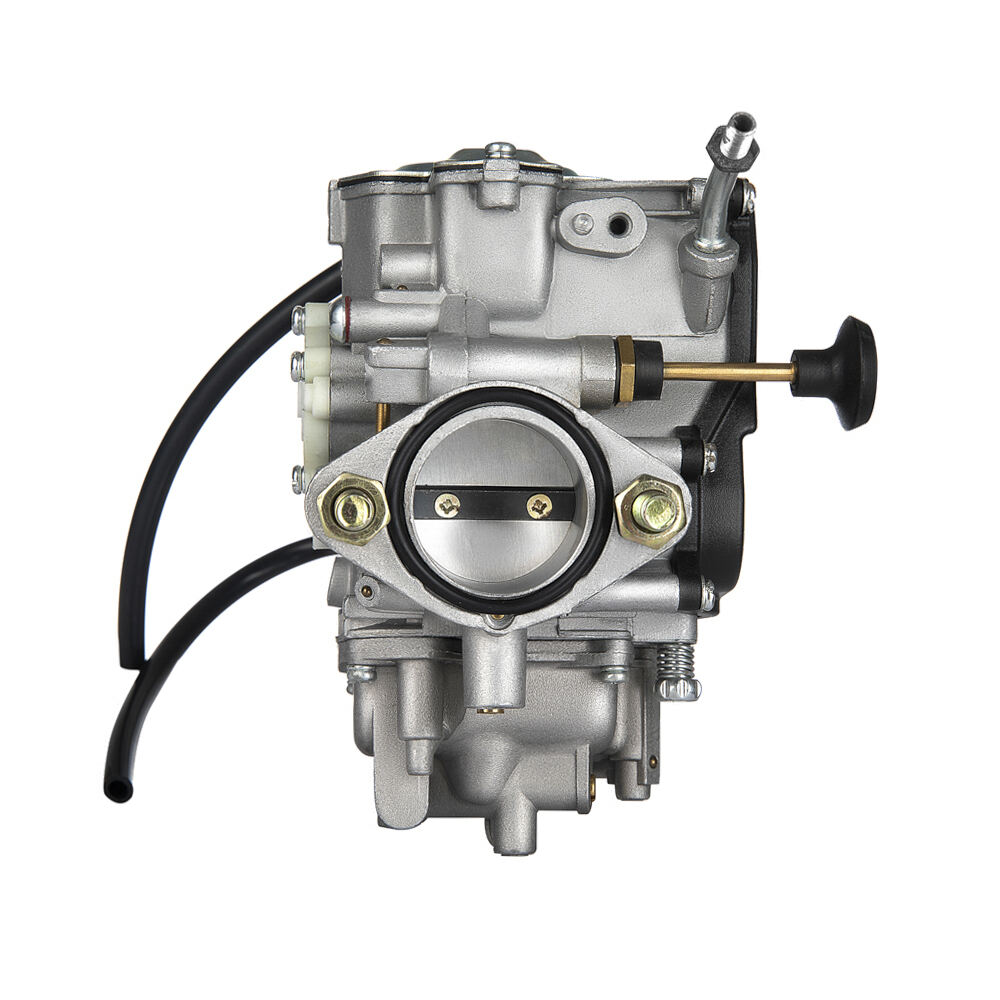
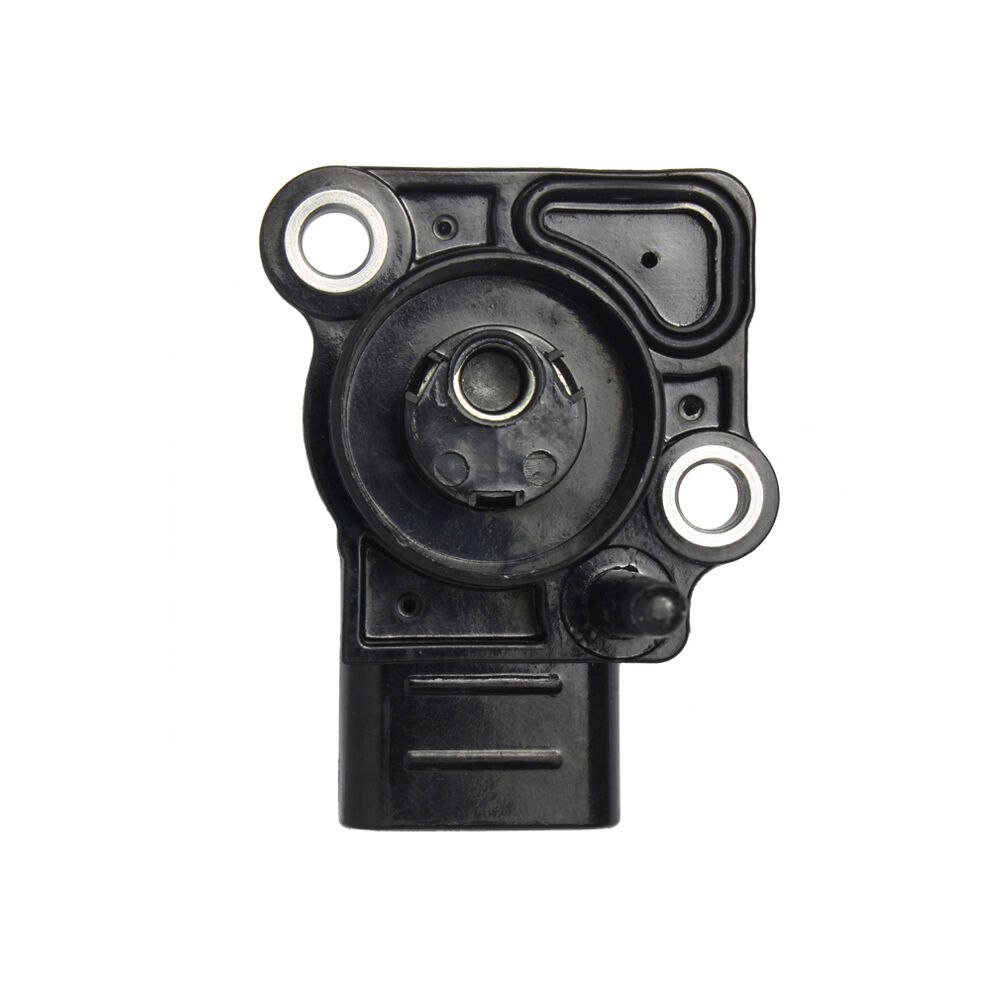
The testing idle control valve is a sophisticated component crucial for maintaining optimal engine performance and fuel efficiency. This advanced device regulates the airflow during engine idle conditions, ensuring stable operation when the vehicle is not in motion. The valve operates through a precise electronic control system that adjusts air bypass channels according to various engine parameters, including temperature, load, and RPM. Its primary function involves maintaining consistent idle speed regardless of external conditions or engine load variations. The technology incorporates state-of-the-art sensors and actuators that work in harmony with the engine's electronic control unit (ECU). Modern testing idle control valves feature adaptive learning capabilities, allowing them to adjust their operation based on engine wear and environmental conditions over time. These valves are designed with durability in mind, utilizing high-grade materials that resist thermal stress and contamination. They play a vital role in reducing emissions by optimizing the air-fuel mixture during idle, contributing to environmental compliance. The testing process ensures precise calibration and functionality across various operating conditions, making these valves essential for both manufacturing quality control and aftermarket maintenance.


Popular Products

The testing idle control valve offers numerous compelling advantages that make it an invaluable component in modern engine systems. First, it significantly improves fuel efficiency by maintaining optimal idle speeds, preventing unnecessary fuel consumption during stationary periods. This precise control translates to measurable cost savings over time. The valve's adaptive learning capability ensures consistent performance throughout the engine's lifespan, automatically adjusting to compensate for wear and changing conditions. This self-adjusting feature reduces the need for manual adjustments and maintenance interventions. The valve's sophisticated electronic control system provides seamless integration with modern engine management systems, enabling real-time response to changing operating conditions. This responsiveness results in smoother engine operation and reduced wear on engine components. The testing procedures implemented ensure exceptional reliability and longevity, minimizing the risk of unexpected failures and associated repair costs. Environmental benefits are substantial, as the precise control of idle speeds leads to reduced emissions and improved compliance with environmental regulations. The valve's design incorporates fail-safe mechanisms that protect the engine from damage in case of component failure. Installation and replacement procedures are straightforward, reducing service time and labor costs. The comprehensive testing protocol ensures each valve meets strict quality standards, providing peace of mind for both mechanics and vehicle owners.

Practical Tips

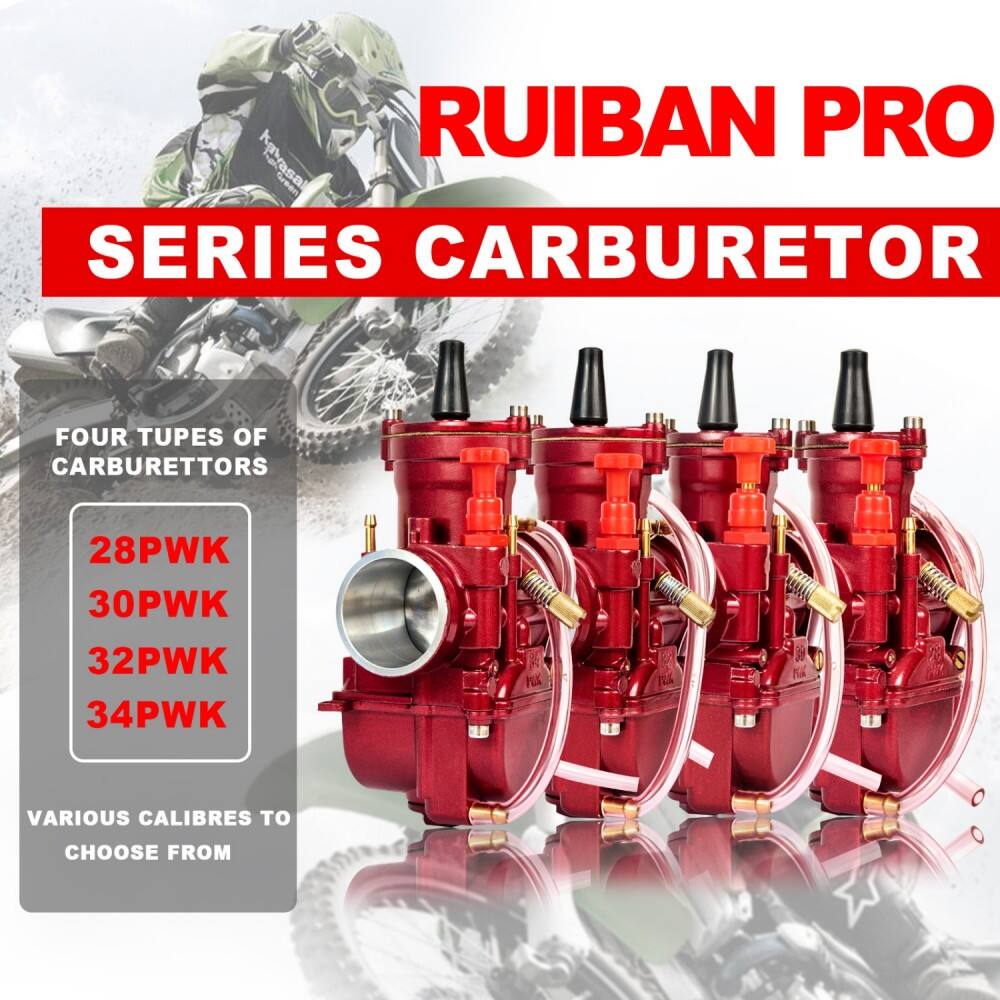
What Is The Difference Between The Different Sized PWK Carburetors?

29

Jul

What Is The Difference Between The Different Sized PWK Carburetors?

View More
RS150 Motorcycle Tps Sensors In Different Colors Bring Different Visual Experiences

29

Jul

RS150 Motorcycle Tps Sensors In Different Colors Bring Different Visual Experiences

View More
Aftermarket Yamaha Aerox155 Nvx155 Throttle Body Brings Better Driving Experience

29

Jul

Aftermarket Yamaha Aerox155 Nvx155 Throttle Body Brings Better Driving Experience

View More

Get a Free Quote

Our representative will contact you soon.
Email
Name
Company Name
Message
0/1000

testing idle control valve

Advanced Electronic Control System

Advanced Electronic Control System

The testing idle control valve's electronic control system represents the pinnacle of precision engineering in engine management. This sophisticated system utilizes multiple sensors to continuously monitor engine parameters, including temperature, air pressure, and throttle position. The data is processed in real-time by advanced algorithms that calculate the optimal air bypass requirements for current operating conditions. The system's rapid response time, typically measured in milliseconds, ensures immediate adjustments to maintain ideal idle speeds. This level of control prevents engine stalling, reduces emissions, and optimizes fuel consumption. The electronic architecture is designed with redundancy features that maintain basic functionality even if certain components experience issues, ensuring continued safe operation.
Comprehensive Testing Protocol

Comprehensive Testing Protocol

Every testing idle control valve undergoes an extensive validation process that ensures exceptional reliability and performance. The testing protocol includes multiple stages of evaluation, beginning with component-level testing of electrical resistance, mechanical movement, and seal integrity. Environmental chamber testing subjects the valve to extreme temperature and humidity conditions to verify operational stability. Flow testing measures precise air volume control across the operating range, while durability testing simulates years of operation to validate long-term reliability. Each valve must meet strict specifications for response time, flow accuracy, and leak resistance. This rigorous testing regime significantly reduces the likelihood of field failures and ensures consistent performance throughout the product's lifecycle.
Adaptive Learning Capabilities

Adaptive Learning Capabilities

The adaptive learning feature of the testing idle control valve represents a significant advancement in engine management technology. This intelligent system continuously monitors and analyzes engine performance patterns, making automatic adjustments to compensate for changes in engine characteristics over time. The learning algorithm takes into account factors such as carbon buildup, wear patterns, and variations in operating conditions to maintain optimal idle speed control. This self-adjusting capability ensures consistent performance without requiring manual intervention, reducing maintenance requirements and improving long-term reliability. The system stores learned parameters in non-volatile memory, maintaining its adaptations even when power is removed, ensuring immediate optimal operation upon engine restart.

Get a Free Quote

Our representative will contact you soon.
Email
Name
Company Name
Message
0/1000