Speed Sensor Price Guide: Comprehensive Overview of Cost-Effective Performance Solutions

All Categories

Get a Free Quote

Our representative will contact you soon.
Email
Name
Company Name
Message
0/1000

speed sensor price

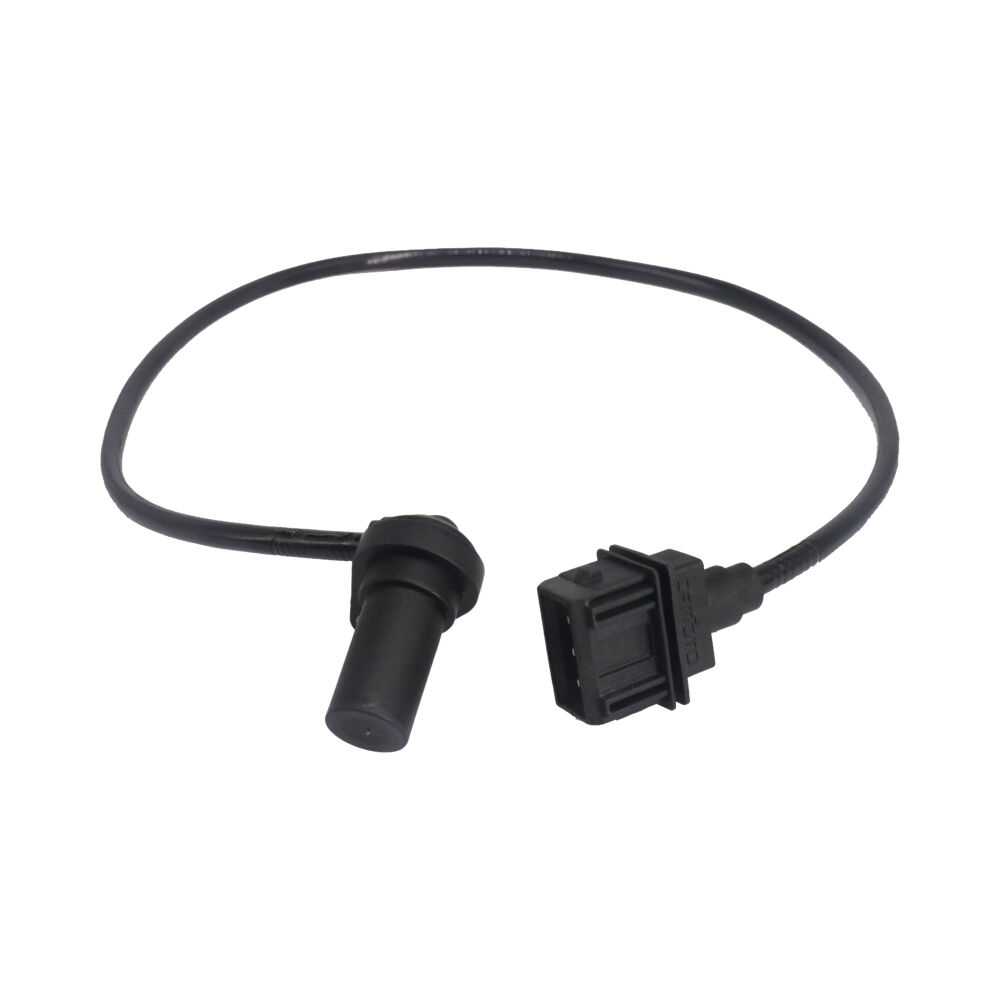
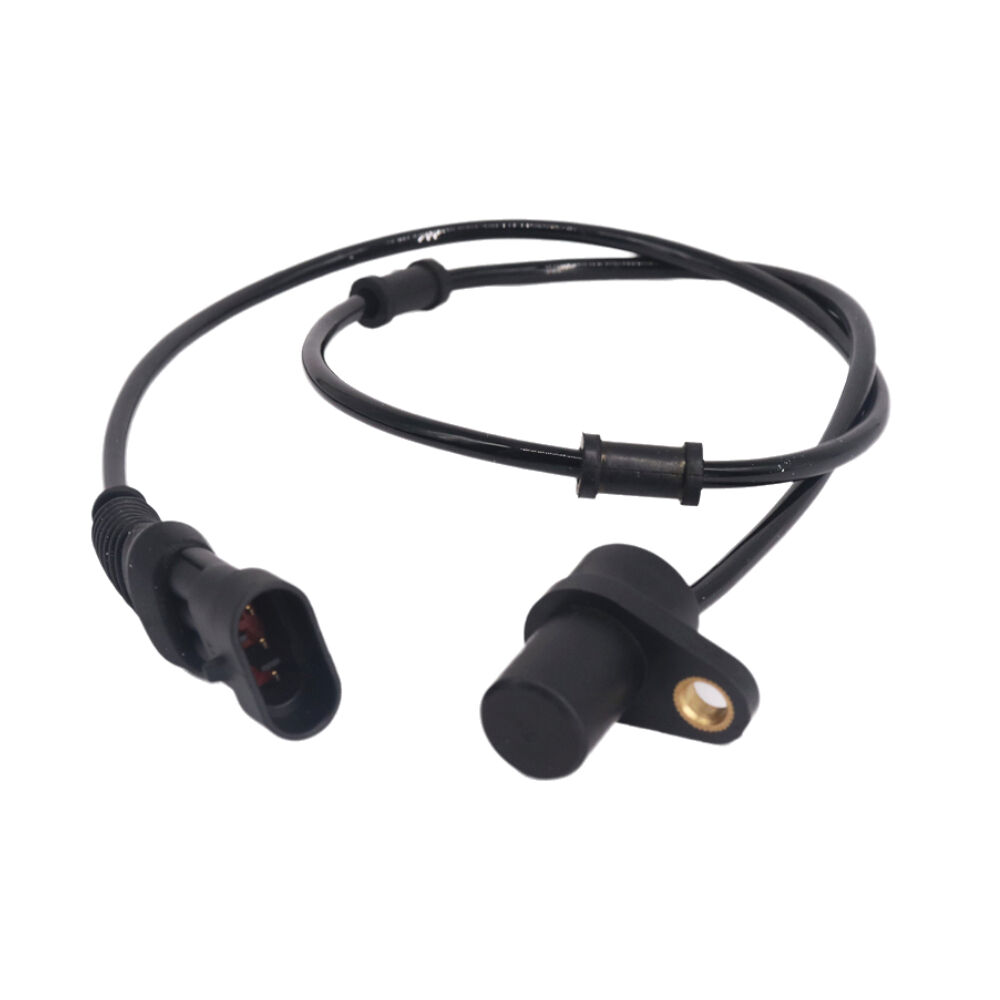
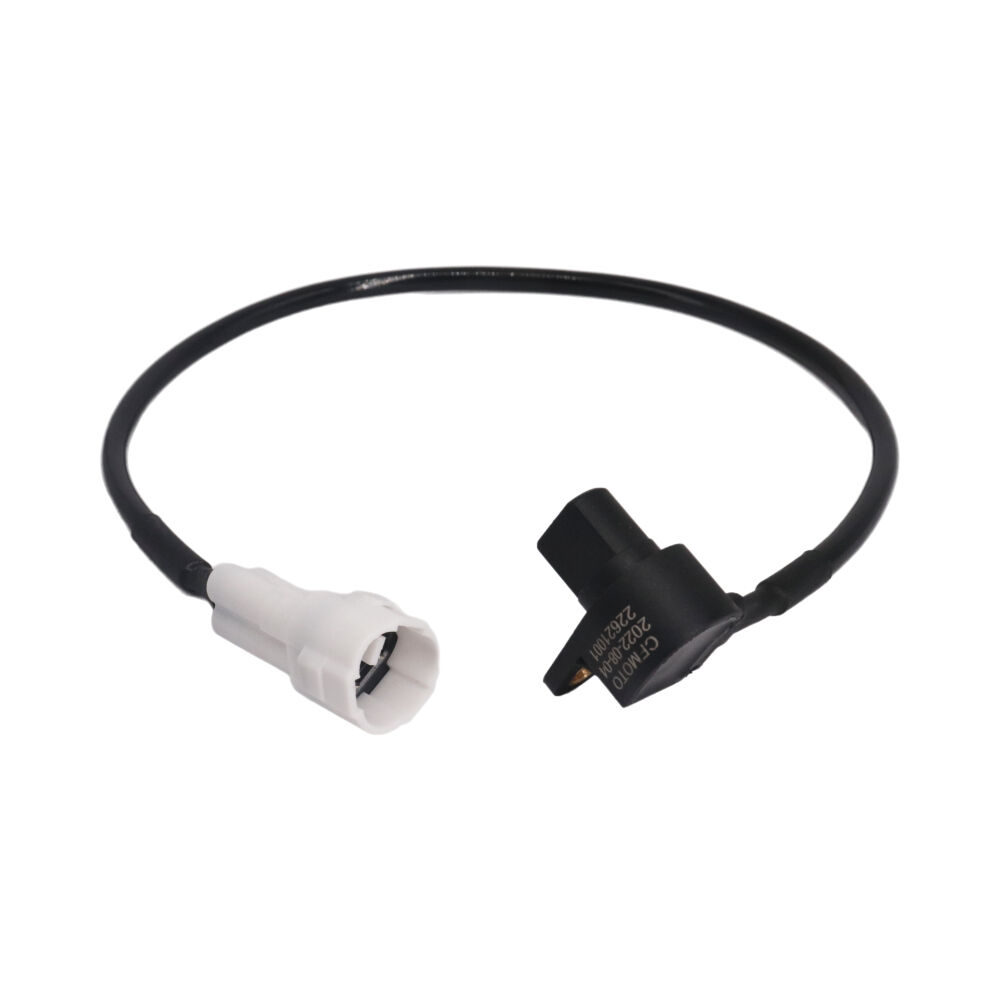
Speed sensor prices vary significantly in today's market, reflecting the diverse range of technologies and applications available. These essential components, which typically range from $20 to $200, play a crucial role in measuring and monitoring rotational or linear velocity in various systems. The price spectrum depends on several factors, including sensor type (magnetic, optical, or mechanical), accuracy level, durability, and manufacturer reputation. Entry-level speed sensors, often used in basic automotive applications, generally fall in the $20-50 range, offering fundamental speed detection capabilities. Mid-range options, priced between $50-100, typically feature enhanced accuracy and additional functionalities such as temperature compensation and digital output options. Premium speed sensors, commanding prices of $100-200 or more, incorporate advanced technologies like high-precision magnetic encoding, superior environmental protection, and extended operational life spans. These higher-end models often include features such as integrated diagnostics, multiple output options, and compatibility with various industrial communication protocols. The market also offers specialized speed sensors for specific applications, such as high-temperature environments or high-speed machinery, which may command premium prices due to their specialized design and materials.


Popular Products

The pricing structure of speed sensors offers several distinct advantages that make them a cost-effective investment for various applications. First, the wide price range ensures accessibility for different budget levels while maintaining essential functionality. Entry-level sensors provide reliable speed measurement capabilities at an affordable price point, making them ideal for basic applications and replacement parts. Mid-range options offer an excellent balance of features and cost, incorporating advanced technologies without the premium price tag. The higher-end sensor market segment delivers exceptional value through enhanced durability, precision, and advanced features that can significantly reduce long-term maintenance costs. Additionally, the competitive nature of the speed sensor market has led to continuous improvements in technology while keeping prices stable. This price-to-performance ratio benefits consumers by providing access to increasingly sophisticated sensors without proportional cost increases. The modular design of many modern speed sensors allows for easy installation and replacement, reducing installation and maintenance costs. The availability of different price points also enables businesses to scale their implementations, starting with basic models and upgrading as needed. Furthermore, the long service life and reliability of quality speed sensors, even at moderate price points, results in lower total ownership costs when compared to cheaper, less reliable alternatives. This cost structure also supports preventive maintenance strategies, as the investment in quality sensors can help avoid costly equipment failures and downtime.

Practical Tips

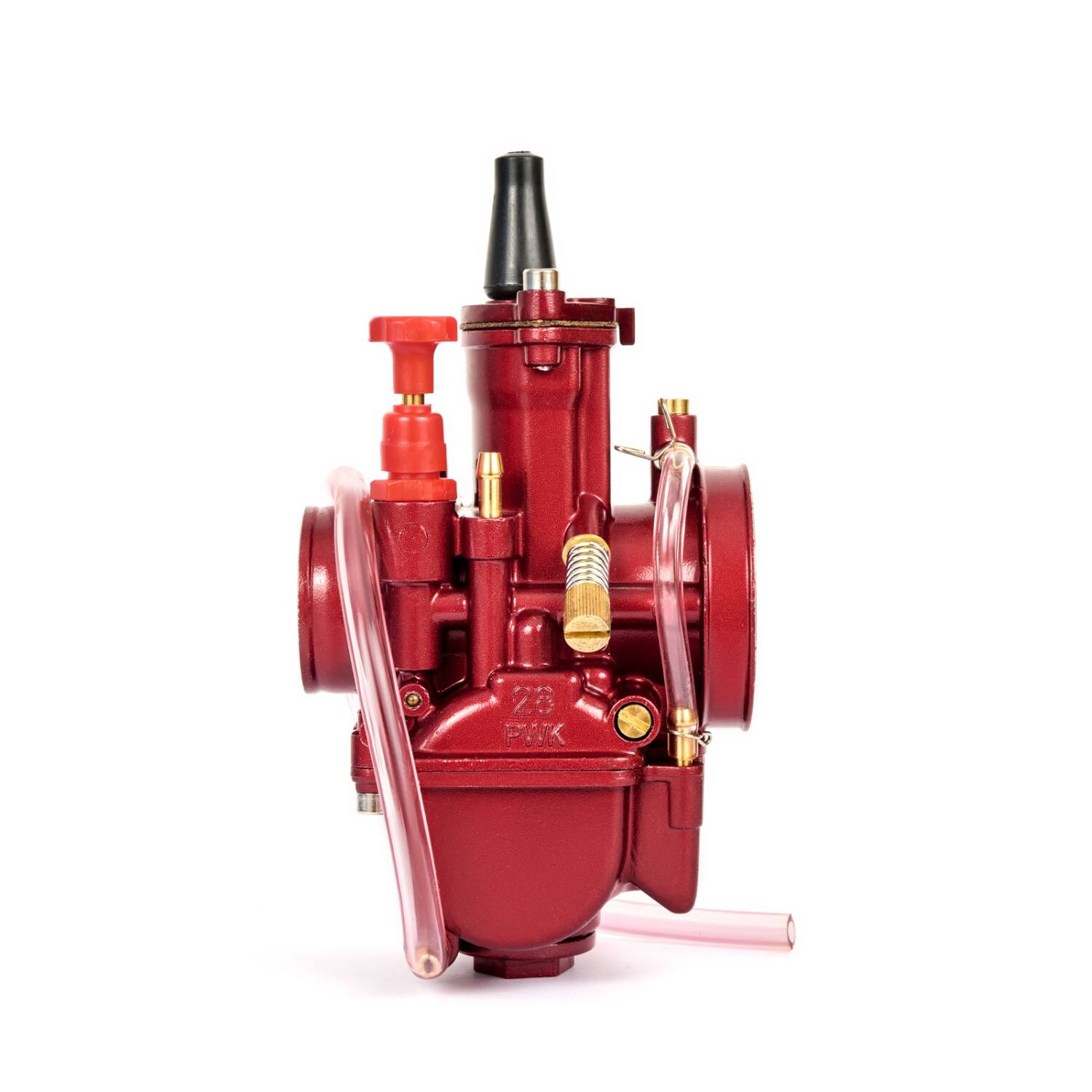
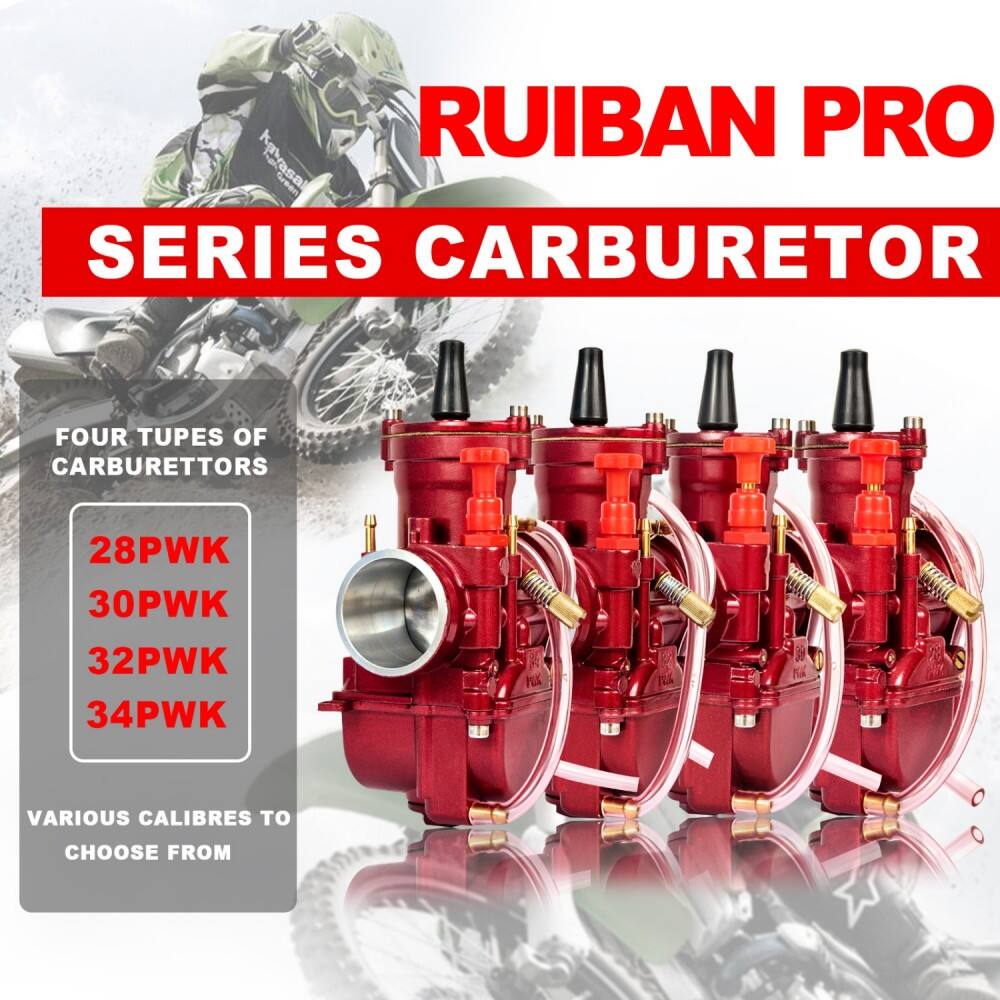
What Is The Difference Between The Different Sized PWK Carburetors?

29

Jul

What Is The Difference Between The Different Sized PWK Carburetors?

View More
RS150 Motorcycle Tps Sensors In Different Colors Bring Different Visual Experiences

29

Jul

RS150 Motorcycle Tps Sensors In Different Colors Bring Different Visual Experiences

View More
Aftermarket Yamaha Aerox155 Nvx155 Throttle Body Brings Better Driving Experience

29

Jul

Aftermarket Yamaha Aerox155 Nvx155 Throttle Body Brings Better Driving Experience

View More

Get a Free Quote

Our representative will contact you soon.
Email
Name
Company Name
Message
0/1000

speed sensor price

Cost-Effective Performance Scaling

Cost-Effective Performance Scaling

The speed sensor market's tiered pricing structure enables organizations to precisely match their performance requirements with their budget constraints. Entry-level sensors provide essential speed monitoring capabilities at accessible price points, making them ideal for basic applications or initial deployments. As requirements evolve, mid-range options offer enhanced features such as improved accuracy, better environmental protection, and advanced output options without a significant price premium. This scalability allows organizations to start with basic implementations and upgrade strategically as their needs grow. The price-performance ratio improves notably in the mid-range segment, where additional features such as temperature compensation and digital outputs become available without the premium cost of high-end models. This strategic pricing approach ensures that organizations can maintain optimal performance while managing their investment effectively.
Long-Term Value Proposition

Long-Term Value Proposition

The pricing structure of quality speed sensors reflects their potential for significant long-term cost savings. While initial purchase prices may be higher for more robust models, these sensors offer extended service life, reduced maintenance requirements, and superior reliability. High-quality sensors, even at moderate price points, typically feature better construction materials and more sophisticated design elements that contribute to longer operational lifespans. This durability translates into fewer replacements over time, reducing the total cost of ownership. Additionally, many models include self-diagnostic capabilities and preventive maintenance features that help avoid costly equipment failures and unplanned downtime. The investment in quality sensors often pays for itself through reduced maintenance costs and improved system reliability.
Technology Integration Benefits

Technology Integration Benefits

Modern speed sensor pricing reflects the integration of advanced technologies that provide substantial value beyond basic speed measurement. Even moderately priced sensors now include features previously found only in premium models, such as digital interfaces, multiple output options, and enhanced electromagnetic interference protection. This technological integration at various price points enables more sophisticated monitoring and control systems without requiring premium-priced sensors. The availability of different communication protocols and output types at various price points allows for easier integration with existing systems and future upgrades. This flexibility in technology options and price points enables organizations to implement advanced monitoring solutions while maintaining cost efficiency.

Get a Free Quote

Our representative will contact you soon.
Email
Name
Company Name
Message
0/1000