Crank Speed Sensor: Advanced Engine Management and Performance Optimization

All Categories

Get a Free Quote

Our representative will contact you soon.
Email
Name
Company Name
Message
0/1000

crank speed sensor

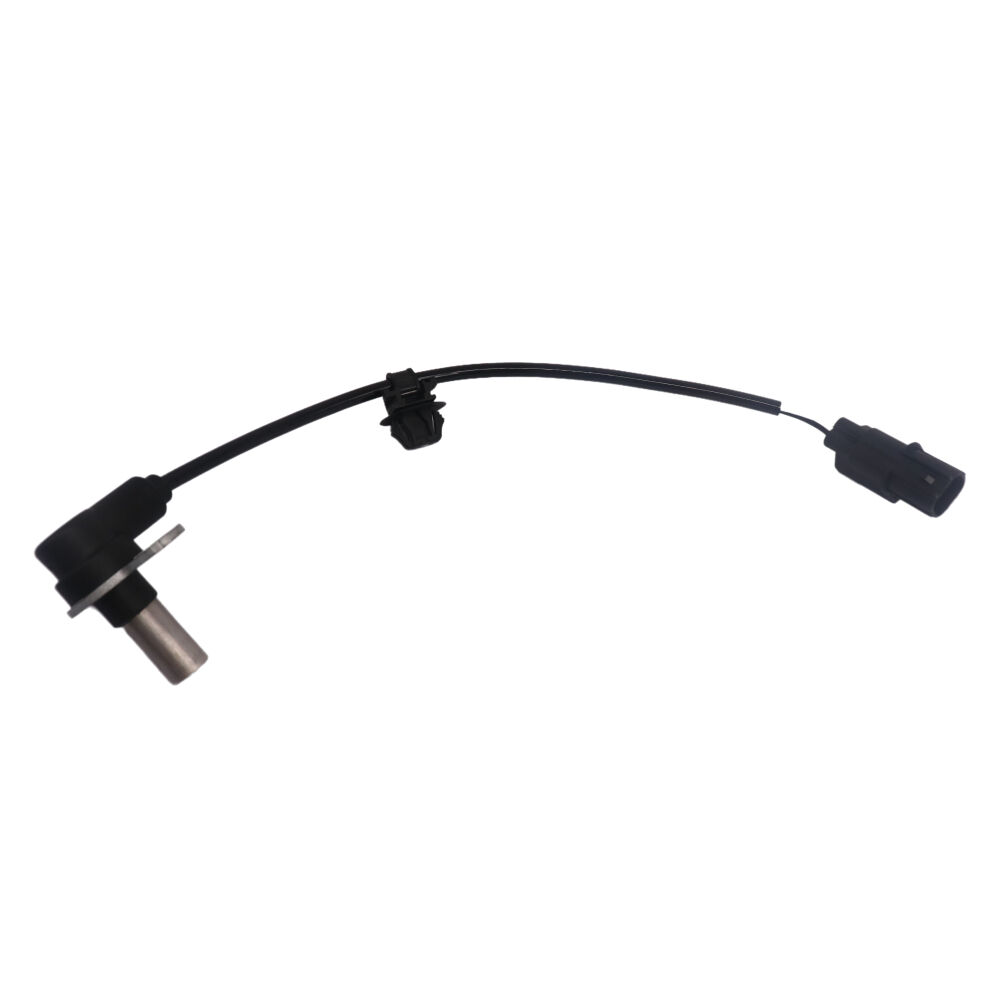
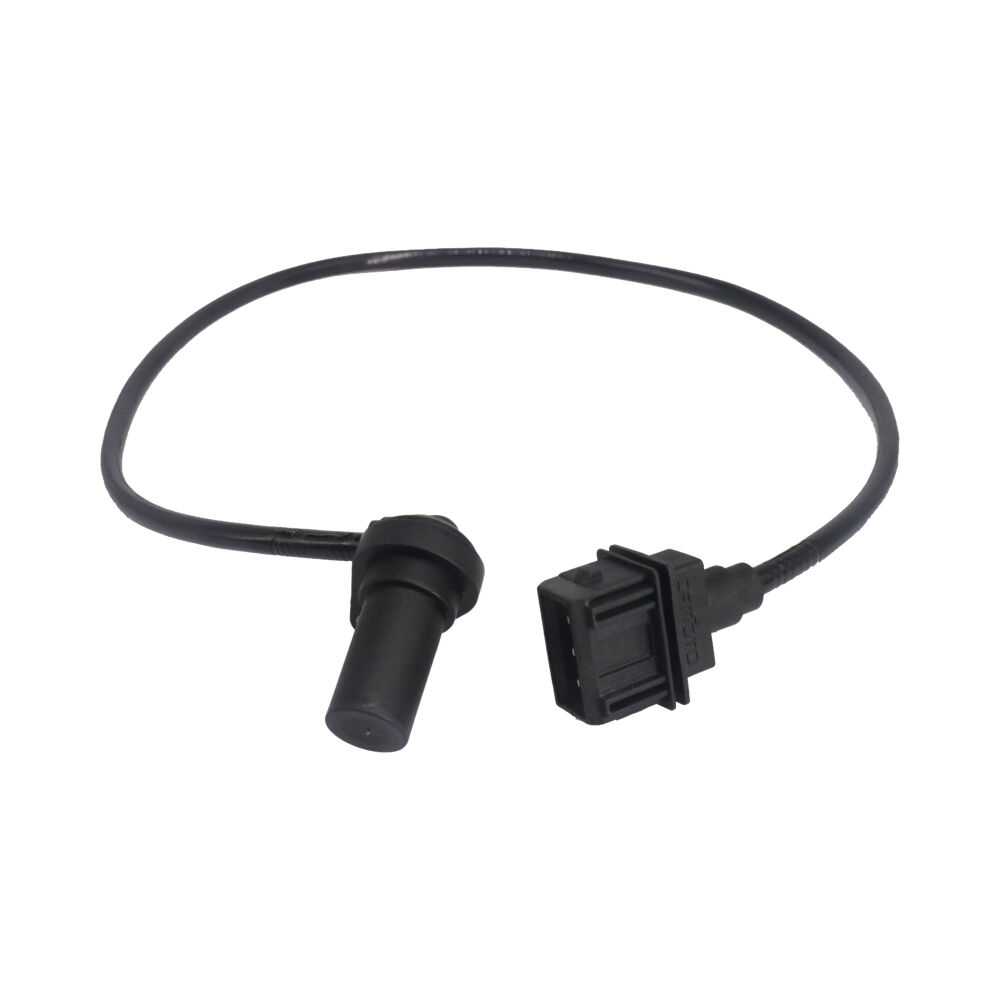
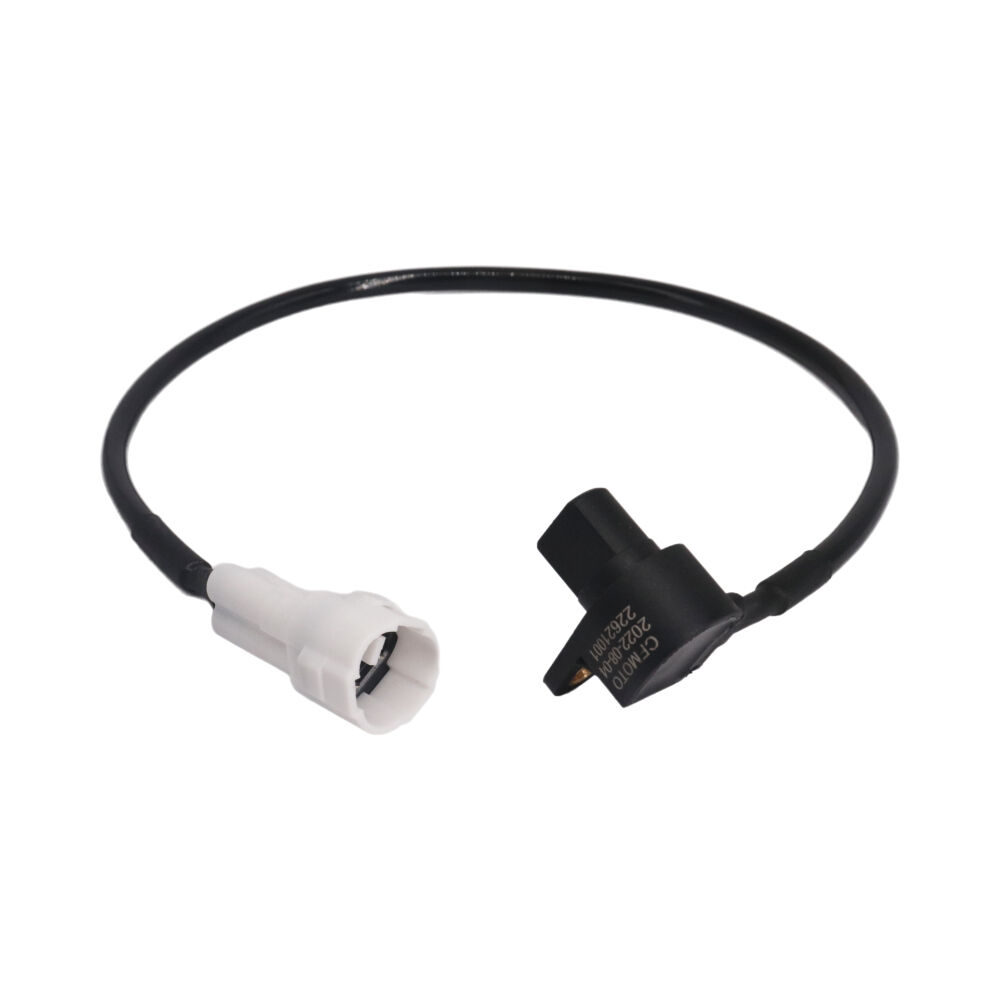
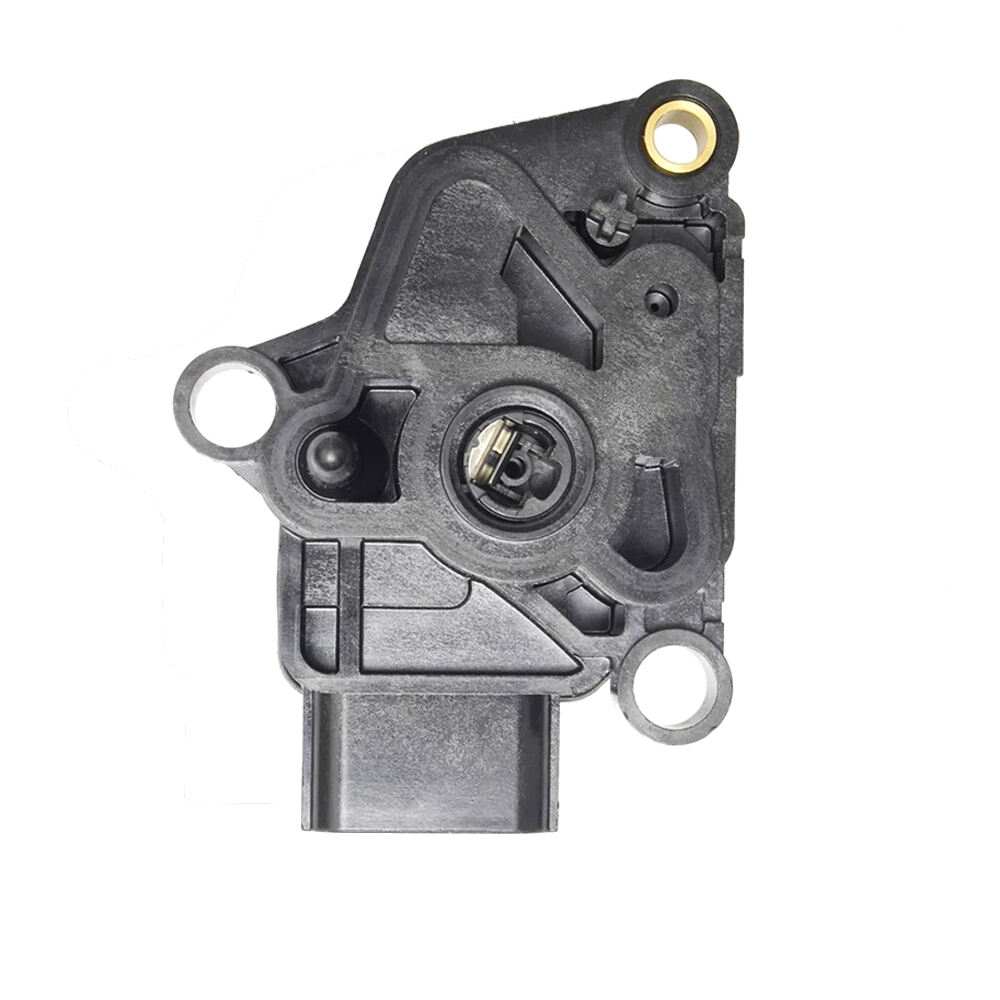
A crank speed sensor is a vital component in modern vehicle engines that monitors and measures the rotational speed and position of the crankshaft. This sophisticated device uses electromagnetic principles to generate precise signals that inform the engine control unit (ECU) about the crankshaft's movement. The sensor consists of a permanent magnet, a coil winding, and electronic circuitry that work together to detect magnetic field variations as the crankshaft rotates. By tracking the position and speed of the crankshaft, the sensor enables the ECU to optimize engine timing, fuel injection, and ignition sequences. The technology employs either Hall effect or magnetic reluctance principles to generate accurate readings, ensuring optimal engine performance across various operating conditions. In modern vehicles, the crank speed sensor plays a crucial role in maintaining engine efficiency, reducing emissions, and ensuring smooth operation. It continuously monitors engine speed, helping to prevent engine damage by detecting irregular operations and enabling the ECU to make real-time adjustments. The sensor's data is also essential for features like cruise control, traction control, and anti-lock braking systems, making it an indispensable component in contemporary automotive technology.


Popular Products

The crank speed sensor offers numerous compelling benefits that make it essential for modern vehicle operation. First, it provides real-time monitoring of engine speed and position, enabling precise control over fuel injection timing and ignition sequences. This accurate timing results in improved fuel efficiency and reduced emissions, helping vehicle owners save money while minimizing their environmental impact. The sensor's ability to detect irregular engine operation helps prevent costly damage by alerting drivers to potential issues before they become serious problems. Additionally, the crank speed sensor enhances overall engine performance by enabling smooth acceleration and consistent power delivery across all operating conditions. Its integration with various vehicle systems improves safety features like traction control and stability management. The sensor's durability and reliability ensure long-term operation with minimal maintenance requirements, making it a cost-effective component over the vehicle's lifetime. Modern crank speed sensors also contribute to better cold-start performance and improved engine response during varying weather conditions. Their compatibility with advanced diagnostic systems allows for easier troubleshooting and maintenance, reducing service time and costs. The sensor's role in optimizing engine timing leads to reduced wear on engine components, potentially extending engine life and maintaining vehicle value. These advantages combine to create a more efficient, safer, and more enjoyable driving experience while contributing to the vehicle's overall reliability and performance.

Practical Tips

What Is The Difference Between The Different Sized PWK Carburetors?

29

Jul

What Is The Difference Between The Different Sized PWK Carburetors?

View More
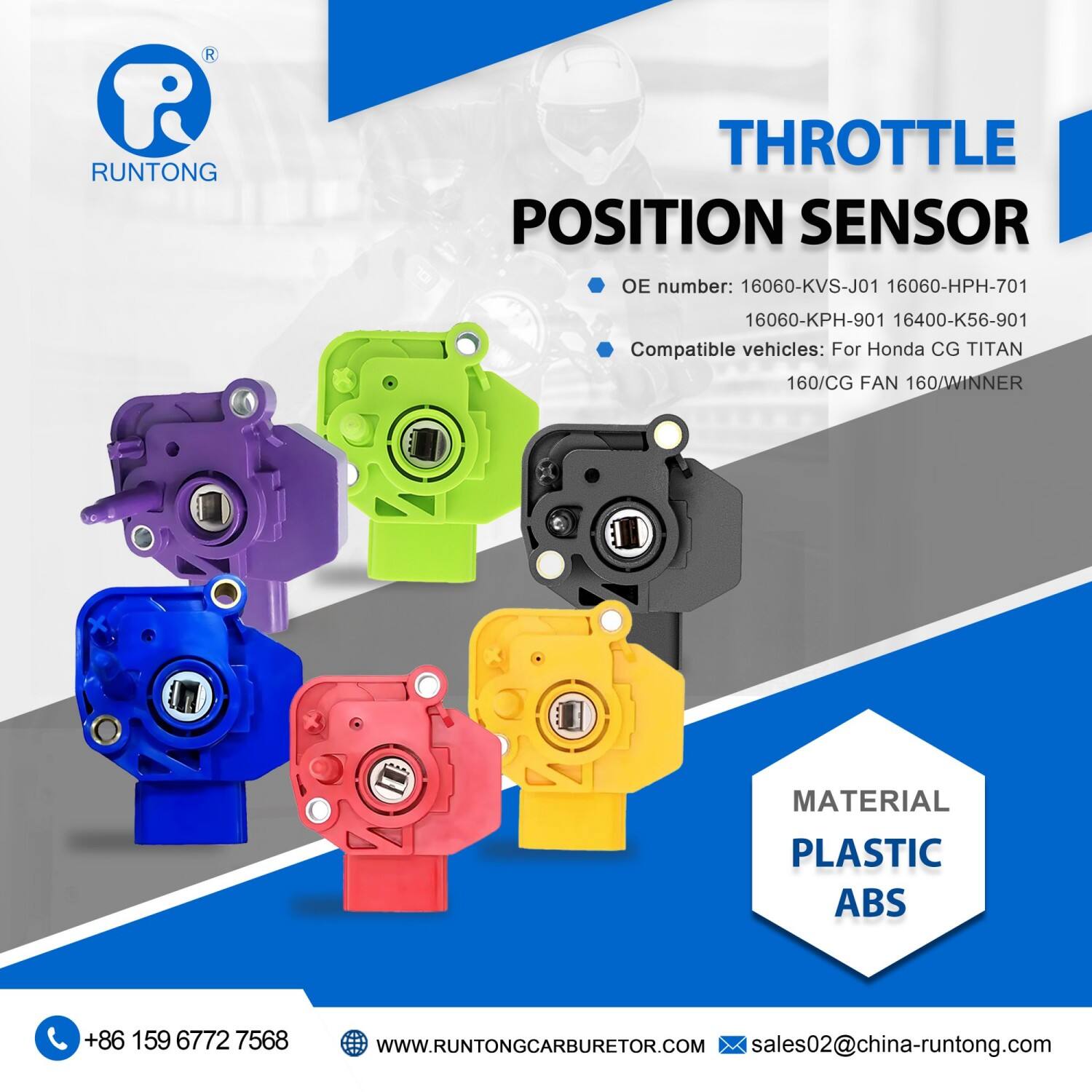
RS150 Motorcycle Tps Sensors In Different Colors Bring Different Visual Experiences

29

Jul

RS150 Motorcycle Tps Sensors In Different Colors Bring Different Visual Experiences

View More
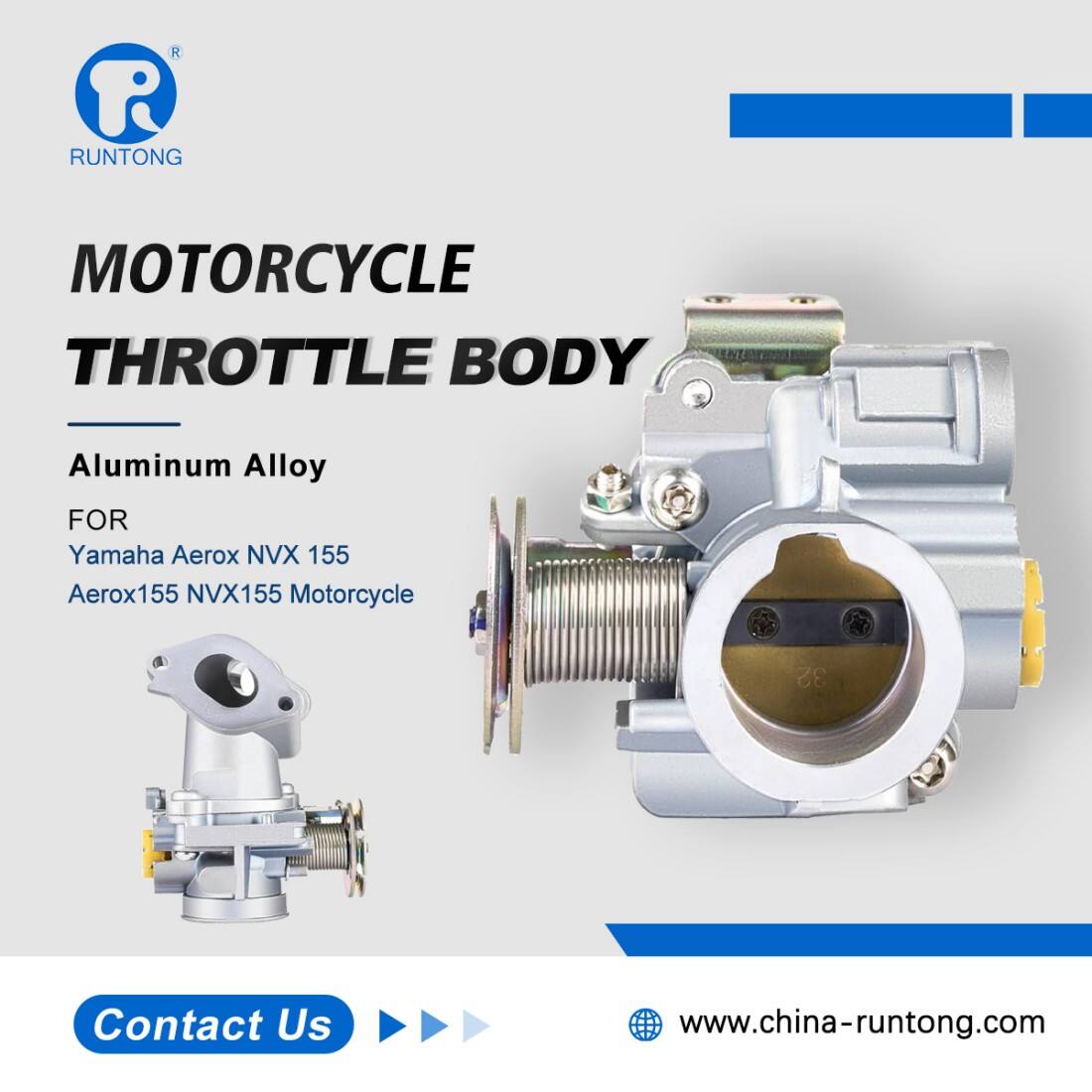
Aftermarket Yamaha Aerox155 Nvx155 Throttle Body Brings Better Driving Experience

29

Jul

Aftermarket Yamaha Aerox155 Nvx155 Throttle Body Brings Better Driving Experience

View More

Get a Free Quote

Our representative will contact you soon.
Email
Name
Company Name
Message
0/1000

crank speed sensor

Precision Engine Management

Precision Engine Management

The crank speed sensor's advanced electromagnetic technology delivers unprecedented accuracy in engine timing management. This precision allows for optimal fuel injection timing down to milliseconds, resulting in maximum power output and efficiency. The sensor's ability to make thousands of measurements per second ensures that the engine control unit receives continuous, accurate data about the crankshaft's position and speed. This constant flow of precise information enables real-time adjustments to engine parameters, maintaining optimal performance under all operating conditions. The sensor's sophisticated design includes built-in noise rejection capabilities, ensuring accurate readings even in harsh electromagnetic environments. This level of precision contributes significantly to reduced emissions, improved fuel economy, and enhanced engine longevity.
Enhanced Safety Integration

Enhanced Safety Integration

Modern crank speed sensors serve as crucial components in multiple vehicle safety systems. Their integration with the vehicle's electronic control systems enables advanced safety features such as anti-lock braking, traction control, and stability management. The sensor's rapid response time and accurate data transmission allow these safety systems to react instantly to changing driving conditions. By providing real-time engine speed data, the sensor helps prevent engine damage through early detection of irregular operations. This integration extends to modern driver assistance systems, contributing to features like adaptive cruise control and emergency braking systems. The sensor's reliability in extreme conditions ensures these safety features remain functional when needed most.
Diagnostic Intelligence

Diagnostic Intelligence

The crank speed sensor's sophisticated diagnostic capabilities revolutionize vehicle maintenance and troubleshooting. Its ability to generate detailed performance data helps technicians quickly identify and resolve engine issues, reducing diagnostic time and service costs. The sensor's self-monitoring features can detect internal malfunctions, preventing potential engine damage and ensuring reliable operation. Modern sensors include advanced error-checking algorithms that help distinguish between genuine malfunctions and temporary anomalies, reducing false alerts. This diagnostic intelligence extends to predictive maintenance capabilities, allowing for scheduled servicing based on actual usage patterns rather than fixed intervals. The sensor's integration with onboard diagnostic systems provides real-time feedback about engine health, enabling proactive maintenance approaches.

Get a Free Quote

Our representative will contact you soon.
Email
Name
Company Name
Message
0/1000