
 EN
EN
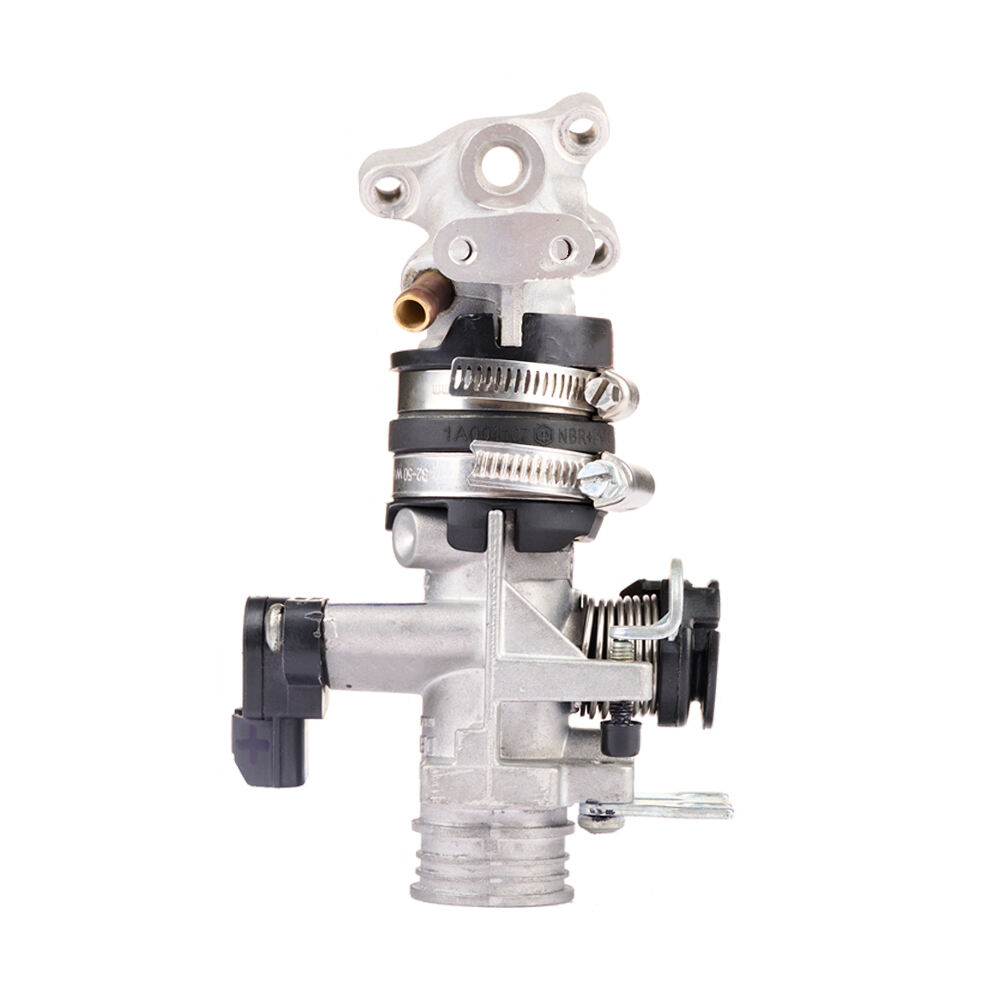
The ABS sensor represents one of the most critical safety components in modern motorcycle braking systems. This sophisticated device continuously monitors wheel speed and provides essential data to the anti-lock braking system, preventing wheel lockup during emergency braking situations. Understanding how an ABS sensor functions and its impact on braking efficiency can help motorcyclists appreciate the technology that keeps them safe on the road.
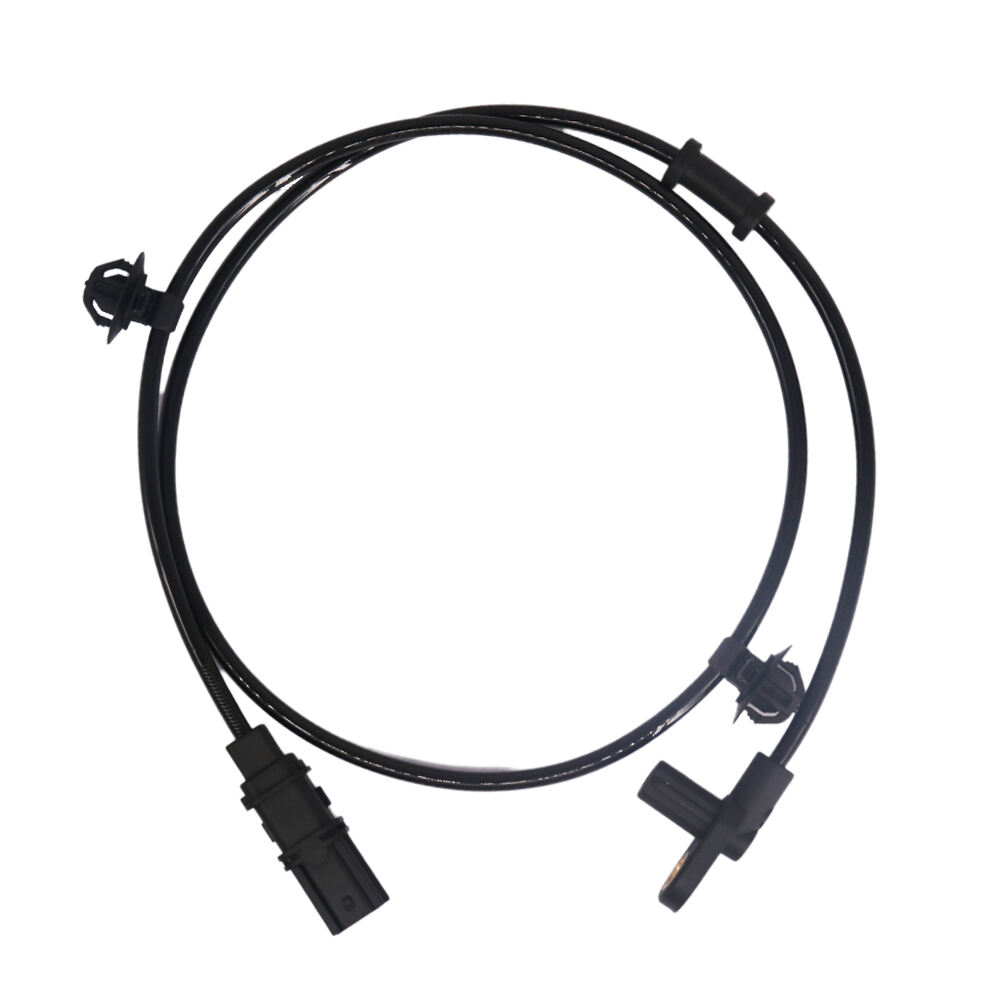
The evolution of motorcycle safety technology has transformed how riders experience braking performance. Modern ABS sensors work in conjunction with electronic control units to create a seamless braking experience that maintains traction while maximizing stopping power. These sensors detect the rotational speed of each wheel dozens of times per second, allowing the system to respond instantaneously when wheel lockup threatens to occur.
Understanding ABS Sensor Technology
Magnetic Pickup Design and Operation
The ABS sensor utilizes magnetic pickup technology to detect wheel rotation patterns with exceptional precision. This design incorporates a reluctor ring attached to the wheel hub and a magnetic sensor positioned in close proximity. As the wheel rotates, the teeth on the reluctor ring pass by the sensor, generating electrical pulses that correspond directly to wheel speed.
These electrical signals travel to the ABS control module, where sophisticated algorithms analyze the data in real-time. The system can detect even minute changes in wheel speed that indicate impending lockup conditions. This rapid detection capability allows the ABS sensor to trigger corrective action before the wheel completely stops rotating, maintaining both steering control and optimal braking distance.
Signal Processing and Data Transmission
The quality of signal processing directly affects the effectiveness of the entire ABS system. Modern ABS sensor designs incorporate advanced signal conditioning circuits that filter out electrical noise and ensure clean data transmission to the control module. This precision becomes especially important during challenging riding conditions where accurate wheel speed information is crucial for system performance.
Digital signal processing techniques enable the ABS sensor to maintain accuracy across varying environmental conditions. Temperature compensation algorithms adjust for thermal effects on the magnetic components, while vibration filtering prevents false signals from road irregularities. These technological refinements ensure consistent performance whether riding in urban traffic or navigating challenging terrain.
Braking Efficiency Enhancement Mechanisms
Preventing Wheel Lockup During Emergency Stops
The primary function of an ABS sensor involves preventing wheel lockup during aggressive braking situations. When the sensor detects that a wheel is decelerating faster than the others, it signals the control module to modulate brake pressure. This intervention prevents the tire from losing traction with the road surface, maintaining the motorcycle's stability and steering response.
Emergency braking scenarios demonstrate the critical importance of ABS sensor functionality. During panic stops, inexperienced riders often apply excessive brake force, which would normally result in wheel lockup and potential loss of control. The ABS sensor system continuously monitors wheel behavior and intervenes when necessary, allowing riders to maintain maximum braking force without compromising safety.
Optimizing Brake Force Distribution
Advanced ABS sensor systems contribute to optimal brake force distribution between front and rear wheels. By monitoring the speed differential between wheels, the system can adjust brake pressure to prevent either wheel from locking while maximizing overall stopping power. This dynamic adjustment ensures that both wheels contribute effectively to the braking process.
The ABS sensor data enables sophisticated brake force management that adapts to varying load conditions and road surfaces. When carrying passengers or cargo, the system automatically compensates for the additional weight by adjusting brake pressure distribution. This adaptive capability ensures consistent braking performance regardless of loading conditions or rider experience level.
Performance Benefits in Various Riding Conditions
Wet Weather Braking Enhancement
Wet weather conditions present significant challenges for motorcycle braking systems, making ABS sensor technology particularly valuable. Reduced traction between tires and wet pavement increases the likelihood of wheel lockup during braking. The ABS sensor continuously monitors wheel speed and responds immediately when slippage occurs, maintaining traction even on slippery surfaces.
The precision timing of ABS sensor interventions becomes especially critical in wet conditions. The system must distinguish between normal wheel deceleration and the onset of skidding, making rapid adjustments to brake pressure. This sophisticated analysis allows riders to maintain confidence in their braking system even during heavy rain or when encountering unexpected wet patches on otherwise dry roads.
Cornering and Lean Angle Considerations
Modern ABS sensor systems account for the unique dynamics of motorcycle cornering, where lean angles affect tire contact patches and available traction. Advanced systems incorporate lean angle sensors that work in conjunction with wheel speed sensors to provide comprehensive vehicle dynamics information. This integration prevents inappropriate ABS activation during aggressive cornering maneuvers.
The ABS sensor data helps the system differentiate between intentional cornering behavior and emergency braking situations. This distinction ensures that the ABS system activates only when necessary while allowing experienced riders to maintain their preferred riding style. The technology adapts to both conservative commuting and spirited sport riding, providing appropriate safety intervention without compromising performance.
Maintenance and Reliability Factors
Sensor Contamination and Cleaning Procedures
Proper maintenance of the ABS sensor ensures consistent performance and long-term reliability. Road debris, metal shavings, and magnetic contamination can accumulate on the sensor surface, potentially affecting signal quality. Regular inspection and cleaning of the ABS sensor area prevents performance degradation and maintains optimal system operation.
Cleaning procedures for ABS sensor maintenance require careful attention to sensor positioning and gap specifications. The air gap between the sensor and reluctor ring must remain within manufacturer specifications to ensure proper signal strength. Improper cleaning techniques or accidental sensor displacement can result in system malfunctions or reduced sensitivity to wheel speed changes.
Environmental Protection and Durability
The harsh operating environment of motorcycle applications demands robust ABS sensor construction. Temperature extremes, moisture exposure, vibration, and chemical contamination all challenge sensor reliability. Modern ABS sensor designs incorporate sealed housings and corrosion-resistant materials to withstand these demanding conditions while maintaining consistent performance.
Long-term durability testing ensures that ABS sensor components can withstand millions of operating cycles without degradation. The magnetic components must maintain their properties over extended periods, while electrical connections must resist corrosion and mechanical stress. These reliability improvements contribute to reduced maintenance requirements and increased system longevity.
Integration with Modern Safety Systems
Traction Control System Interaction
Contemporary motorcycles often integrate ABS sensor data with traction control systems to provide comprehensive stability management. The wheel speed information from ABS sensor components enables traction control systems to detect rear wheel spin during acceleration and intervene appropriately. This integration creates a unified safety system that addresses both braking and acceleration scenarios.
The synergy between ABS sensor technology and traction control systems extends riding safety beyond traditional braking scenarios. By sharing wheel speed data, these systems can coordinate their interventions to maintain optimal vehicle stability. This coordination prevents conflicting system responses that might otherwise compromise rider control during complex maneuvers.
Electronic Stability Control Development
Advanced motorcycle stability systems rely heavily on ABS sensor data to implement sophisticated vehicle dynamics control. These systems analyze wheel speed patterns to detect incipient stability problems and intervene before they become critical. The high-resolution data from modern ABS sensor designs enables more precise stability interventions and improved overall safety performance.
Future developments in electronic stability control will likely expand the role of ABS sensor technology in motorcycle safety systems. Enhanced sensor designs with improved resolution and faster response times will enable more sophisticated stability algorithms. These advances promise to further improve motorcycle safety while maintaining the riding experience that enthusiasts value.
FAQ
How often should motorcycle ABS sensors be inspected
Motorcycle ABS sensors should be inspected during regular maintenance intervals, typically every 6,000 to 8,000 miles or as specified in the owner's manual. Visual inspection for contamination, damage, or loose connections should be performed more frequently, especially after riding in harsh conditions. Professional inspection may reveal issues not visible during routine checks.
Can a faulty ABS sensor affect normal braking performance
A faulty ABS sensor typically does not affect normal braking performance, as the mechanical brake system operates independently of the electronic components. However, ABS functionality will be compromised or disabled entirely, removing the safety benefits of anti-lock braking. Warning lights on the dashboard usually indicate when ABS sensor problems occur.
What causes ABS sensor failure in motorcycles
Common causes of ABS sensor failure include contamination from metal debris, corrosion of electrical connections, physical damage from road hazards, and wear of the reluctor ring teeth. Improper installation or maintenance procedures can also damage sensors. Environmental factors such as extreme temperatures and moisture exposure contribute to long-term sensor degradation.
How does ABS sensor technology differ between motorcycle brands
While the basic operating principles remain consistent, different motorcycle manufacturers may use varying ABS sensor designs and integration approaches. Some brands employ more sophisticated multi-axis sensors, while others focus on simplified, cost-effective solutions. The software algorithms and system calibration also vary between manufacturers, affecting overall system behavior and performance characteristics.