
 EN
EN
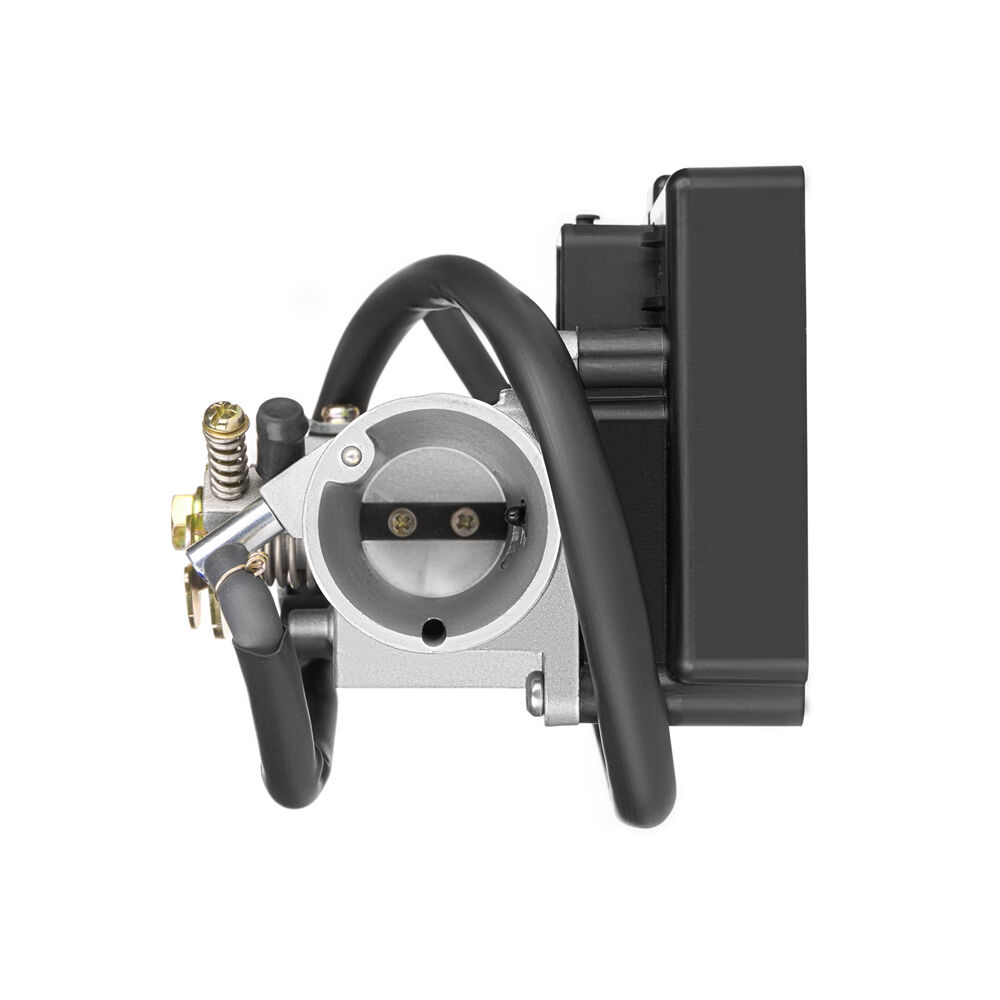
The throttle body is one of those engine components that quietly does its job until the moment it stops working properly — and when it does, the effects ripple through your entire engine performance. Whether you ride a motorcycle or manage a small fleet of utility vehicles, understanding when the throttle body has reached the end of its service life is essential knowledge for any operator or mechanic. Ignoring the warning signs can lead to poor fuel economy, rough idling, loss of power, and in some cases, complete engine failure.
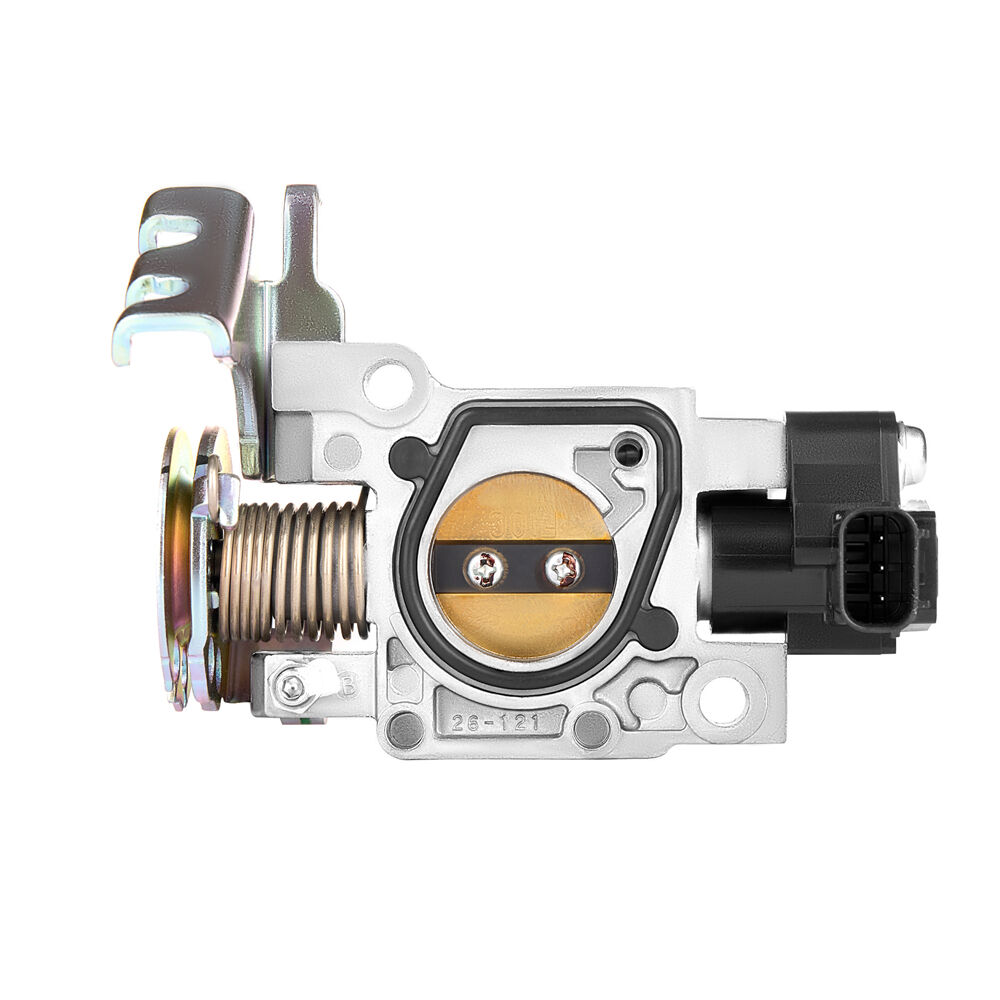
Knowing when to replace a throttle body rather than simply cleaning or repairing it is a critical decision that balances cost, safety, and mechanical reliability. This article walks through the key symptoms, diagnostic indicators, and practical judgment factors that tell you it is time to stop patching and start replacing. Whether you are working with a Honda CG 125 or a similar small-displacement engine platform, the principles discussed here apply broadly and will help you make a well-informed maintenance decision.
Understanding the Role of the Throttle Body in Engine Performance
What the Throttle Body Actually Does
The throttle body controls the volume of air entering the engine intake manifold by opening and closing a butterfly valve in response to throttle input. On fuel-injected engines, this process is electronically coordinated with fuel delivery to maintain the correct air-fuel ratio under varying load and speed conditions. A properly functioning throttle body ensures smooth acceleration, stable idle, and consistent power delivery across the RPM range.
On motorcycles like the Honda CG 125 and CG 160 series, the throttle body is a precision-engineered component that must respond accurately to even small throttle movements. The tolerances are tight, and wear or contamination has an outsized effect on performance. When the internal valve or bore develops wear, deposits, or sensor faults, the engine can no longer accurately receive the air it needs, and performance degrades in ways that are both measurable and noticeable to the rider.
Understanding this role helps clarify why replacement becomes necessary rather than optional at a certain point. A throttle body that cannot accurately regulate airflow is not just an inconvenience — it is an efficiency and safety liability. Recognizing how degradation begins is the first step toward making the right maintenance decision at the right time.
How the Throttle Body Degrades Over Time
Over thousands of kilometers of operation, the throttle body accumulates carbon deposits, oil vapor residue, and microscopic wear on its internal moving parts. The butterfly valve shaft can develop play or stiffness depending on the lubrication condition, and the bore walls can accumulate layers of gummy deposits that restrict airflow even when the valve is in the open position.
On electronically controlled units, the throttle position sensor integrated into the throttle body assembly also degrades over time. The resistive track inside the sensor wears with constant mechanical movement, leading to erratic or inaccurate signals sent to the engine control unit. Once the sensor output becomes unreliable, the engine management system cannot compensate effectively, and performance becomes unstable regardless of how clean the bore itself may be.
This layered degradation — mechanical, chemical, and electronic — is why the throttle body is not a component that simply fails in one catastrophic event. Instead, it declines gradually, and knowing where you are on that decline curve is what separates timely replacement from reactive repair after serious engine problems have already developed.
Clear Warning Signs That Indicate Throttle Body Replacement Is Needed
Persistent Rough Idle and Stalling
One of the most common and immediately noticeable signs that a throttle body needs attention is a rough, unstable idle. When the engine struggles to maintain a consistent RPM at idle, hunts up and down, or stalls frequently when coming to a stop, the root cause is often a contaminated or worn throttle body that is not delivering consistent airflow at low throttle openings.
It is important to distinguish between a throttle body that can be cleaned versus one that genuinely needs replacement. If cleaning restores stable idle but the problem returns within a short interval, the underlying wear or sensor fault is progressing and replacement is becoming necessary. Repeated cleaning cycles are not a long-term solution — they are a signal that the component is approaching end of life.
For riders of small-displacement commuter motorcycles, a stalling engine in traffic is not just inconvenient — it is a safety risk. If the throttle body is causing unpredictable behavior at low speeds, the decision to replace it should be treated as urgent rather than deferred.
Poor Acceleration and Loss of Power
A worn or malfunctioning throttle body directly limits engine output by restricting or misregulating the air entering the intake. Riders often describe this as a 'hesitation' when opening the throttle, a feeling of sluggishness during acceleration, or a noticeable loss of top-end power compared to how the engine felt when newer. These symptoms point to the throttle body as a likely contributor, particularly on engines that have covered significant mileage.
In many cases, a diagnostic scan on fuel-injected engines will reveal throttle position sensor errors or throttle body adaptation values that are out of range. These codes confirm that the throttle body is no longer performing within specification and cannot be corrected through software recalibration alone. When sensor output values are erratic or frozen, replacement is the appropriate response rather than continued adjustment attempts.
On carbureted systems where the throttle body is more mechanical in nature, physical inspection of the bore and valve for scoring, warping, or excessive play will reveal whether the component has degraded beyond serviceable limits. If the butterfly valve no longer closes fully or exhibits visible wear on the shaft bearings, replacement is clearly indicated.
Increased Fuel Consumption Without Explanation
A degraded throttle body that allows unmetered air leakage or sends inaccurate position signals causes the engine management system to either over-fuel or under-fuel the combustion cycle. Over time, riders and operators notice that fuel consumption has risen noticeably without any change in riding habits or conditions. This is a subtle but telling sign that the throttle body is no longer maintaining the precise air control the system was designed around.
Unexplained increases in fuel consumption are worth taking seriously not just for cost reasons but because they indicate that combustion efficiency has dropped. Inefficient combustion produces more emissions, more heat, and more wear on related engine components. If a thorough inspection eliminates other causes such as air filter blockage, spark plug condition, or fuel pressure faults, the throttle body deserves close examination as the likely culprit.
When Cleaning Is No Longer Enough — The Replacement Decision
Distinguishing Dirty from Damaged
Many mechanics and experienced riders default to cleaning a throttle body as the first response to performance complaints, and in many cases this is the right call. Carbon buildup and light contamination can be removed with appropriate solvents and careful brushwork, restoring function without the cost of a new part. The question becomes whether the problem is chemical contamination or physical and electronic damage.
If the butterfly valve shaft has visible play — meaning you can physically wiggle it by hand when it should be seated firmly — that play represents mechanical wear that cleaning cannot address. Similarly, if the bore shows deep scoring or the valve no longer seats flush against the bore wall, airflow control is permanently compromised. At this point, the throttle body is damaged rather than dirty, and replacement is the correct course of action.
The integrated throttle position sensor is another component that cannot be remedied through cleaning. Once the sensor track wears out or the sensor begins producing erratic voltage outputs, the electrical signal cannot be restored by physical cleaning. A diagnostic check comparing actual sensor output to specification values will confirm whether this threshold has been crossed.
Mileage Thresholds and Preventive Replacement Logic
While the throttle body does not have a fixed replacement interval the way consumables like filters or brake pads do, high mileage is a legitimate factor in the replacement decision. On motorcycles used for daily commuting — particularly in dusty, high-heat, or high-humidity environments — the throttle body undergoes far more stress cycles per year than a vehicle used occasionally.
For motorcycles like the Honda CG 125 FAN and CG 160, which are widely used as daily workhorses in demanding conditions, experienced mechanics often recommend proactive throttle body inspection at high mileage intervals rather than waiting for failure symptoms to emerge. Catching degradation early allows for planned replacement during scheduled maintenance rather than an emergency repair when the vehicle is already out of service.
Preventive replacement is especially logical when the cost of a quality replacement throttle body is weighed against the labor, downtime, and secondary damage costs associated with continuing to operate with a failing unit. In a business or fleet context, the calculation almost always favors proactive replacement once degradation indicators appear.
How to Confirm the Diagnosis Before Committing to Replacement
Physical Inspection Protocol
Before ordering a replacement throttle body, a systematic physical inspection should be conducted to confirm the diagnosis and rule out simpler fixes. Begin by removing the throttle body from the intake manifold and examining the bore wall under good lighting. Light carbon deposits that can be removed cleanly suggest a cleaning job. Deep scratches, scoring marks, or discoloration from excessive heat indicate damage that cannot be reversed.
Next, check the butterfly valve for warping by holding it up to light and observing whether it seats completely flush with the bore wall when closed. Any visible gap or asymmetrical fit indicates valve distortion, which will cause air leakage regardless of throttle position. Check the shaft by gently attempting to move it side to side — zero play is normal, and any noticeable movement confirms shaft bearing wear.
Finally, inspect the mounting face and gasket seat for cracks or warping that could cause an air leak at the manifold joint. Even a perfect internal condition throttle body will cause idle and performance issues if the mounting seal is compromised. Confirming this detail ensures that a new throttle body will actually solve the problem once installed.
Electronic Diagnostic Steps for Fuel-Injected Systems
On fuel-injected motorcycles and small engines equipped with an electronic throttle body, connecting a diagnostic scanner to the OBD port is the most efficient confirmation step. Throttle position sensor fault codes, idle control valve errors, and adaptation range faults all point directly to the throttle body as the source of the problem. Clearing these codes and observing whether they return immediately confirms that the fault is persistent and hardware-based rather than a temporary signal glitch.
Live data monitoring is particularly valuable because it allows you to observe throttle position sensor output in real time as the throttle is opened from idle to full throttle. The output should be smooth, linear, and proportional to movement. Any sudden jumps, flat spots, or reversed signals in the live data stream confirm sensor failure within the throttle body assembly — a condition that makes replacement the only effective resolution.
Following a confirmed electronic diagnosis, it is worth verifying that the ECU itself is functioning correctly and that wiring harness connections to the throttle body are clean and secure before finalizing the replacement order. In most cases the throttle body is the fault source, but eliminating connector corrosion as a variable ensures the repair is complete and durable.
FAQ
Can a dirty throttle body cause the same symptoms as a failed one?
Yes, a heavily contaminated throttle body can produce symptoms that closely mimic those of a mechanically failed unit, including rough idle, hesitation, and poor fuel economy. The key difference is that cleaning resolves the issue when contamination is the cause, while symptoms return quickly or persist when there is underlying mechanical or sensor damage. If cleaning provides no improvement or only temporary relief, replacement should be pursued.
How long does a throttle body typically last?
A well-maintained throttle body on a properly serviced engine can last for many years and tens of thousands of kilometers. However, the lifespan is significantly affected by operating environment, fuel quality, oil condition, and maintenance frequency. Engines operated in dusty or high-heat conditions with infrequent air filter maintenance tend to see throttle body wear accelerated by contamination ingestion.
Is it safe to continue riding with a failing throttle body?
Continuing to operate a vehicle with a confirmed failing throttle body introduces real risks. Erratic throttle response, unexpected stalling at low speeds, and unpredictable acceleration behavior are all potential consequences that can compromise rider safety and vehicle control. Once symptoms have been confirmed as originating from the throttle body, continued use should be minimized and replacement should be prioritized.
Does replacing the throttle body require recalibration or software adjustment?
On electronically managed engines, installing a new throttle body often requires an idle relearn procedure or throttle position sensor calibration to allow the ECU to establish correct reference values with the new component. This is typically a straightforward process that can be performed using a diagnostic tool or by following the vehicle manufacturer's manual procedure. Skipping this step after throttle body replacement can result in poor idle quality even with a perfectly functional new component.