
 EN
EN
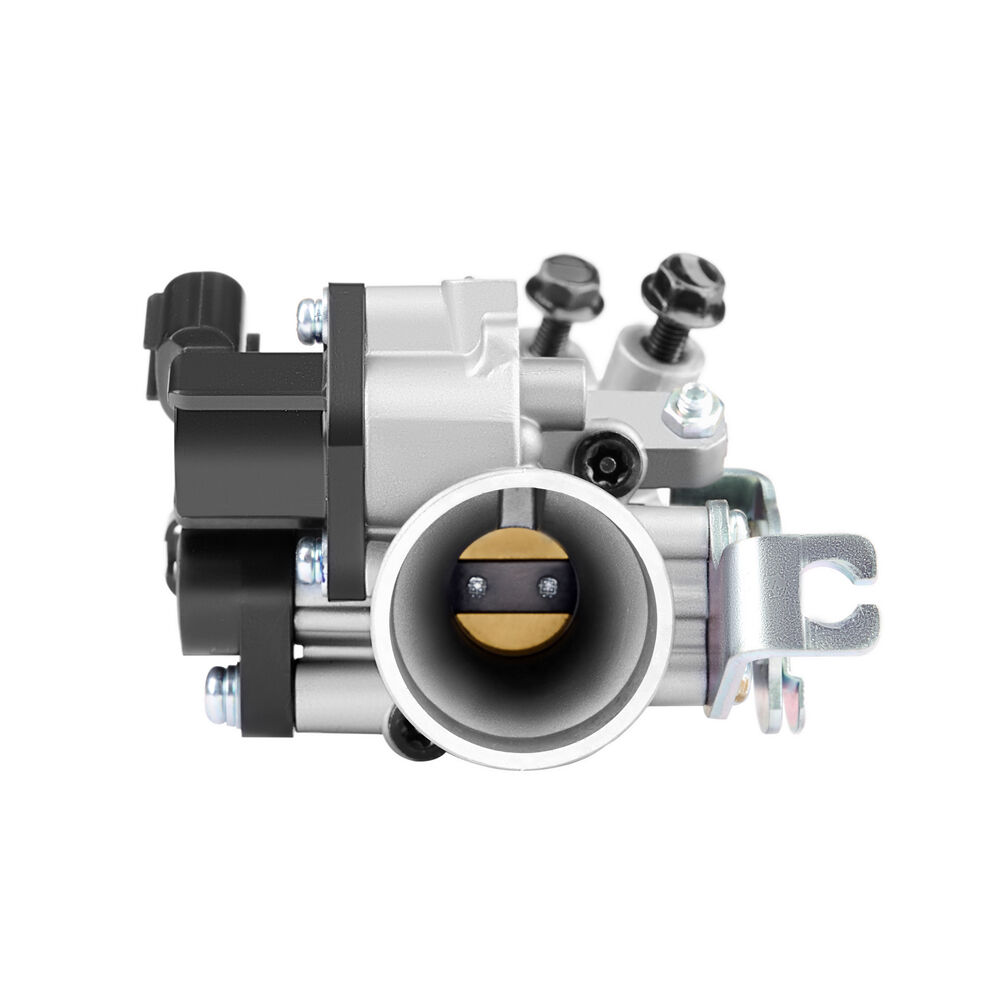
Every motorcycle owner wants their machine to run smoothly for years, but few components influence long-term engine health as directly as the throttle body. This precision component sits at the intersection of air intake and fuel delivery, regulating how much air enters the engine in response to rider input. When it functions correctly, the engine breathes efficiently, combustion stays clean, and mechanical stress is kept to a minimum. When it degrades or is replaced with a substandard part, the consequences ripple through the entire powertrain over time.
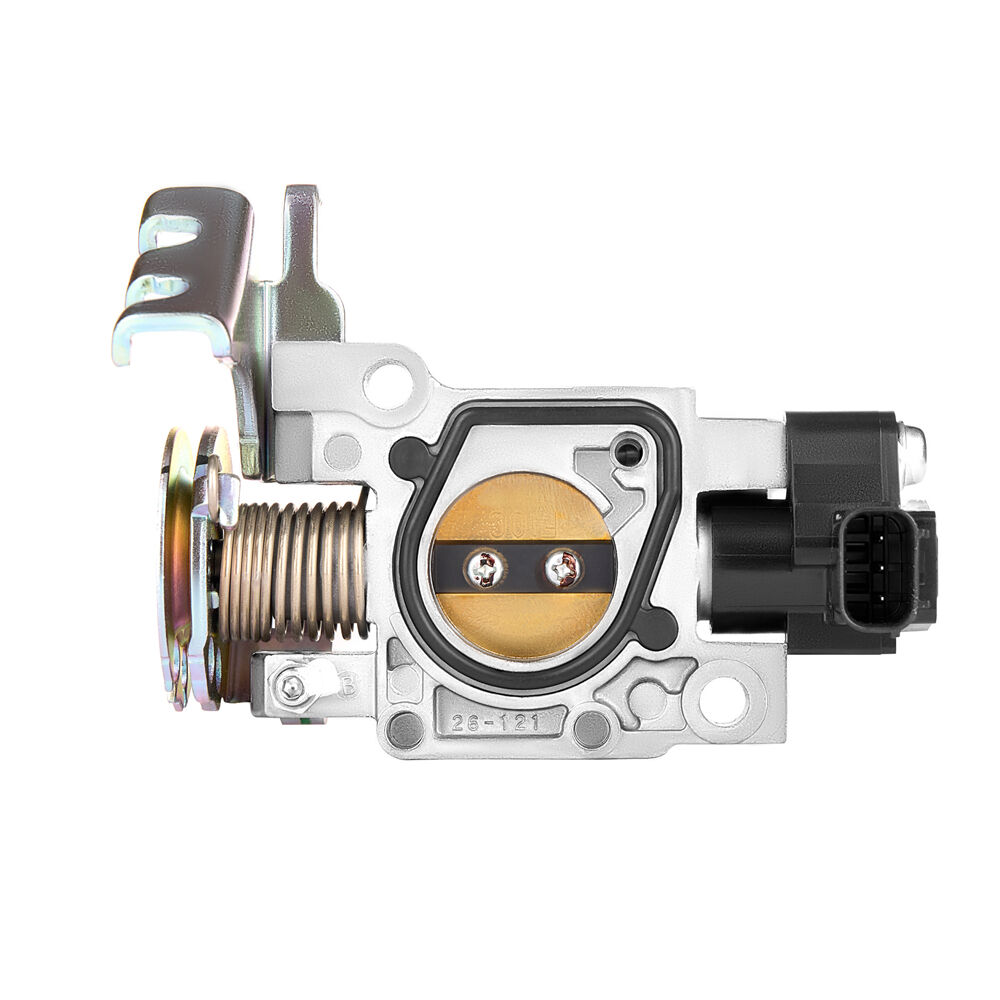
Understanding why a high-quality throttle body matters for motorcycle longevity requires looking beyond the component itself and examining how it interacts with fuel injection systems, engine management electronics, and the mechanical tolerances that define a well-tuned engine. For riders who depend on their motorcycles daily — whether for commuting, commercial use, or long-distance travel — investing in a quality throttle body is not a luxury. It is a practical decision that protects the entire investment made in the machine.
The Role of the Throttle Body in Engine Performance
Air-Fuel Ratio Control and Combustion Efficiency
The throttle body governs the volume of air that enters the intake manifold, and this directly determines the air-fuel ratio that the engine management system must balance. A precisely manufactured throttle body maintains consistent airflow characteristics across the full range of throttle positions, giving the ECU accurate data to calculate the correct fuel injection quantity. When this balance is maintained, combustion is complete, fuel is used efficiently, and exhaust emissions remain within acceptable limits.
A low-quality throttle body often introduces inconsistencies in bore diameter, butterfly valve alignment, or sensor calibration. These inconsistencies cause the ECU to compensate repeatedly, leading to fuel trim corrections that stress injectors and oxygen sensors over time. The engine may still run, but it runs harder than it should, consuming more fuel and generating more heat than a well-calibrated system would produce.
Over thousands of kilometers, these small inefficiencies accumulate. Pistons, rings, and valve seats experience accelerated wear when combustion is irregular. A high-quality throttle body eliminates this source of stress by delivering the precise airflow the engine was designed to receive, keeping combustion clean and consistent throughout the motorcycle's service life.
Throttle Response and Mechanical Stress Reduction
Throttle response is not just a performance characteristic — it is also a mechanical safety factor. When a rider opens the throttle, the butterfly valve inside the throttle body must move smoothly and return to its resting position without hesitation or sticking. A well-manufactured throttle body uses tight tolerances and quality materials to ensure this movement is frictionless and repeatable across all operating temperatures.
Poor throttle response caused by a worn or imprecise throttle body creates abrupt power delivery. This abruptness places sudden loads on the transmission, clutch, and drivetrain components. Over time, these shock loads contribute to premature wear in gearbox components and can even affect chain and sprocket longevity. The throttle body, in this sense, acts as a mechanical buffer between rider input and engine output.
High-quality units are also designed to resist carbon buildup on the butterfly valve and bore walls. Carbon deposits narrow the effective airflow passage and cause the valve to stick, which further degrades throttle response. Quality materials and surface finishes slow this buildup significantly, reducing the frequency of cleaning maintenance and preserving smooth operation over a longer service interval.
How Throttle Body Quality Affects Engine Longevity Directly
Idle Stability and Low-Speed Engine Wear
A significant portion of engine wear occurs at idle and low-speed operation, when oil pressure is lower and combustion temperatures fluctuate. The throttle body plays a critical role during these conditions by maintaining a stable, controlled airflow through the idle air control circuit. A high-quality throttle body holds idle speed steady within a narrow band, preventing the engine from hunting, surging, or stalling under light load.
When idle is unstable, the engine experiences repeated micro-load cycles — brief moments of over-fueling followed by lean conditions — that cause uneven thermal expansion in cylinder walls and piston rings. These cycles are invisible to the rider but measurable in terms of long-term bore wear. A throttle body that maintains stable idle conditions removes this source of cumulative damage entirely.
For motorcycles used in urban environments with frequent stop-and-go riding, idle quality is especially important. The engine spends a disproportionate amount of its operating time at or near idle, making the throttle body's idle circuit one of the most frequently stressed components in the fuel delivery system. Quality construction in this area pays dividends in reduced engine wear over the full service life of the motorcycle.
Sensor Integration and ECU Feedback Accuracy
Modern fuel-injected motorcycles rely on the throttle position sensor integrated into the throttle body to provide real-time data to the engine control unit. This sensor tells the ECU how quickly the throttle is opening, how far it has traveled, and whether the rider is accelerating, decelerating, or holding steady. The ECU uses this data to adjust ignition timing, fuel injection duration, and in some cases, variable valve timing.
A high-quality throttle body ensures that the throttle position sensor is precisely calibrated and mechanically stable. Sensor drift, which occurs when the sensor's output gradually shifts away from its calibrated values due to vibration or thermal cycling, is a common failure mode in lower-quality units. When sensor drift occurs, the ECU receives inaccurate data and makes fuel and ignition corrections that are systematically wrong, leading to poor fuel economy, increased emissions, and elevated engine temperatures.
Replacing a throttle body with a quality unit that maintains sensor accuracy over time protects the entire engine management system from operating on false data. This is particularly important for motorcycles that operate in demanding conditions — high ambient temperatures, dusty environments, or high-altitude routes — where sensor accuracy is already challenged by environmental factors.
The Long-Term Cost Argument for Quality Throttle Bodies
Reduced Maintenance Frequency and Repair Costs
The upfront cost difference between a high-quality throttle body and a budget alternative is often modest, but the downstream cost difference can be substantial. A quality throttle body requires less frequent cleaning, holds its calibration longer, and is less likely to develop vacuum leaks at its mounting flanges due to better material stability. Each of these factors reduces the number of service visits required over the motorcycle's life.
Vacuum leaks at the throttle body mounting are a particularly common and damaging failure mode in lower-quality units. A leak introduces unmetered air into the intake manifold, causing a lean condition that the ECU may not fully compensate for. Sustained lean operation raises combustion temperatures and accelerates valve seat wear, piston crown erosion, and catalytic converter degradation in emissions-equipped models. Preventing this single failure mode through quality construction can save significant repair costs.
For fleet operators, delivery services, or riders who cover high annual mileage, the reliability advantage of a quality throttle body translates directly into reduced downtime. A motorcycle that stays in service rather than sitting in a workshop generates value. The throttle body, as a relatively low-cost component relative to the engine assembly it protects, offers an excellent return on investment when quality is prioritized.
Compatibility and Fitment Precision
A throttle body that is manufactured to OEM specifications fits correctly the first time and maintains its seal integrity over years of thermal cycling. Fitment precision matters because even small dimensional deviations in the mounting flange, bore diameter, or sensor connector can introduce air leaks, electrical faults, or airflow restrictions that degrade engine performance gradually rather than catastrophically.
High-quality aftermarket throttle bodies designed for specific models — such as those engineered for Honda CG 125 and CG 160 platforms — are developed with the original engine's airflow requirements in mind. This means the bore sizing, butterfly valve geometry, and sensor specifications are matched to the engine's design parameters rather than approximated for a range of applications. The result is a component that integrates seamlessly with the existing fuel injection system without requiring recalibration or adaptation.
Precision fitment also reduces the risk of installation errors that can damage the intake manifold or sensor connectors. A throttle body that aligns correctly with the intake tract and electrical harness reduces the skill and time required for installation, lowering labor costs and reducing the chance of secondary damage during the replacement process.
Recognizing When a Throttle Body Needs Replacement
Performance Symptoms That Signal Throttle Body Degradation
Motorcycle owners and technicians should be familiar with the symptoms that indicate a throttle body is no longer performing within acceptable parameters. Rough idle, hesitation during acceleration, unexplained increases in fuel consumption, and difficulty starting from cold are all common indicators that the throttle body's airflow control or sensor accuracy has deteriorated. These symptoms often appear gradually, making them easy to attribute to other causes.
A sticking or sluggish throttle response is another clear signal. If the butterfly valve is not returning smoothly to its closed position, or if the rider notices inconsistent power delivery at steady throttle openings, the throttle body's internal components may be worn or contaminated beyond the point where cleaning alone will restore function. At this stage, replacement with a quality unit is the most reliable solution.
Fault codes related to the throttle position sensor or idle air control system, when read with a diagnostic tool, often point directly to throttle body condition. Rather than replacing sensors individually, evaluating the entire throttle body assembly for wear and dimensional accuracy is a more efficient diagnostic approach that avoids repeat repairs.
Choosing the Right Replacement for Long-Term Reliability
When selecting a replacement throttle body, the priority should be dimensional accuracy, material quality, and sensor compatibility with the motorcycle's ECU. A unit manufactured to match the original equipment specifications will restore the engine's designed operating parameters without requiring software adjustments or additional modifications to the fuel system.
For popular platforms like the Honda CG series, which are widely used across multiple markets for daily transportation and commercial applications, sourcing a throttle body that is specifically engineered for the model ensures that the airflow characteristics, idle circuit design, and sensor output match the ECU's calibration. This specificity is what separates a quality replacement from a generic part that may fit physically but underperforms functionally.
Evaluating the supplier's manufacturing standards, quality control processes, and product documentation before purchasing is a practical step that reduces the risk of receiving a substandard component. A throttle body backed by clear specifications and model-specific engineering data gives the buyer confidence that the part will perform as intended from the first kilometer of operation.
FAQ
How often should a throttle body be cleaned or inspected on a motorcycle?
For most motorcycles used in normal conditions, inspecting and cleaning the throttle body every 10,000 to 15,000 kilometers is a reasonable interval. Motorcycles operated in dusty, high-traffic, or high-temperature environments may benefit from more frequent inspection. A high-quality throttle body with good surface finishes will accumulate carbon deposits more slowly, extending the effective cleaning interval compared to lower-quality units.
Can a worn throttle body cause permanent engine damage?
Yes, over time a degraded throttle body can contribute to permanent engine damage. Vacuum leaks cause lean combustion that raises cylinder temperatures and accelerates valve and piston wear. Inaccurate throttle position sensor data causes the ECU to apply incorrect fuel and ignition corrections, which can lead to detonation under load. Addressing throttle body wear promptly prevents these secondary damage pathways from developing.
Is it necessary to recalibrate the ECU after replacing a throttle body?
When replacing a throttle body with a unit that matches the original equipment specifications exactly, ECU recalibration is typically not required. The engine management system will perform its standard adaptive learning routine over the first few ride cycles and adjust fuel trims to the new component. However, if the replacement unit has different airflow characteristics or sensor output values, a dealer-level calibration procedure may be necessary to restore optimal performance.
What is the difference between a throttle body designed for a specific model versus a universal fitment unit?
A model-specific throttle body is engineered to match the exact bore diameter, butterfly valve geometry, idle circuit design, and sensor specifications of the original equipment for that engine. A universal fitment unit is designed to approximate the requirements of multiple models, which often means compromises in one or more of these parameters. For long-term reliability and engine longevity, a model-specific throttle body is the preferred choice because it restores the engine's designed operating conditions without requiring adaptation or modification.
Table of Contents
- The Role of the Throttle Body in Engine Performance
- How Throttle Body Quality Affects Engine Longevity Directly
- The Long-Term Cost Argument for Quality Throttle Bodies
- Recognizing When a Throttle Body Needs Replacement
-
FAQ
- How often should a throttle body be cleaned or inspected on a motorcycle?
- Can a worn throttle body cause permanent engine damage?
- Is it necessary to recalibrate the ECU after replacing a throttle body?
- What is the difference between a throttle body designed for a specific model versus a universal fitment unit?