
 EN
EN
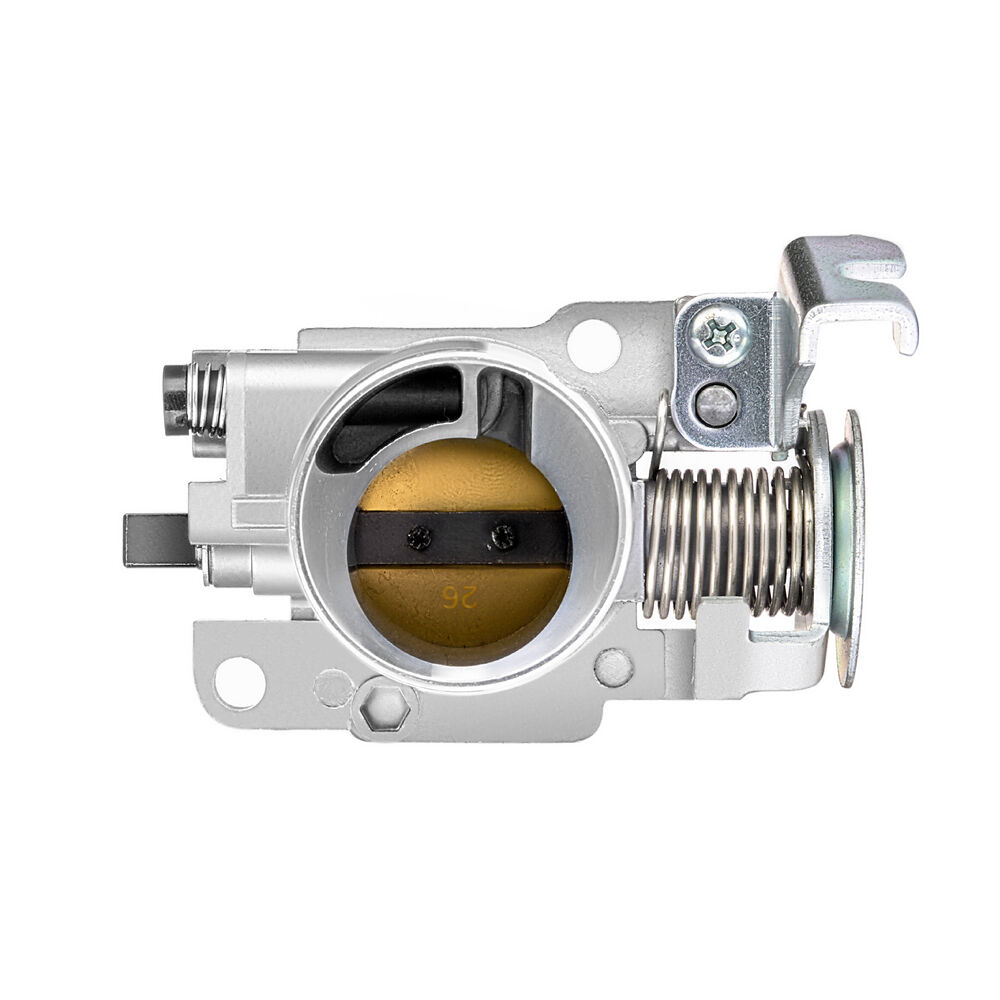
The throttle body is one of the most consequential components in any fuel-injected engine system, directly governing how much air enters the engine at any given moment. Whether you are managing a daily commuter motorcycle or a high-performance machine, understanding how the throttle body influences fuel consumption and power output is essential for making informed maintenance and performance decisions. Many riders and fleet managers overlook this component until problems arise, but a proactive understanding can save fuel costs, preserve engine health, and unlock better performance.
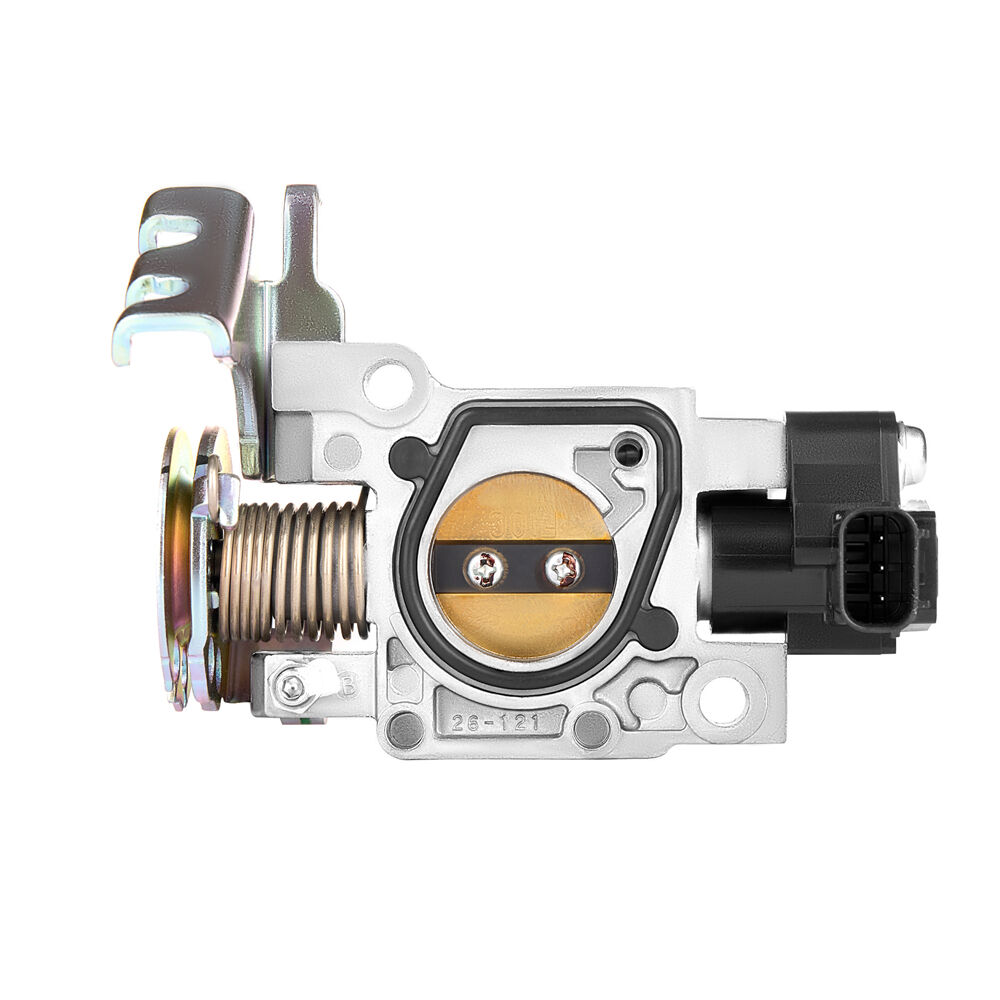
At its core, the throttle body acts as the air-metering gate between the atmosphere and the engine's intake manifold. When the rider or driver opens the throttle, the throttle body responds by widening its internal butterfly valve, allowing more air to rush into the combustion chamber. The engine control unit then calculates the appropriate fuel injection volume to match that air volume, creating the air-fuel mixture that drives combustion. This interplay between air volume, fuel delivery, and combustion efficiency makes the throttle body a central actor in determining both fuel economy and engine power across all operating conditions.
The Mechanical Role of the Throttle Body in Engine Operation
How the Butterfly Valve Controls Airflow
Inside every throttle body sits a circular disc called the butterfly valve, which rotates on a shaft to open or restrict the air passage. When the valve is nearly closed at idle, only a small trickle of air passes through, keeping the engine running at low speed with minimal fuel consumption. As the throttle is progressively opened, the butterfly valve pivots to a more open angle, dramatically increasing the cross-sectional area available for airflow. This relationship between valve angle and airflow volume is not perfectly linear — small increases in valve opening near the fully open position can produce large airflow gains, which is why high-RPM power delivery can feel sudden and responsive.
The diameter of the throttle body bore itself also plays a significant role. A larger bore allows a greater volume of air to enter per unit of time, which supports higher power output at elevated RPM. However, a bore that is excessively large relative to engine displacement can reduce air velocity at lower throttle openings, negatively affecting torque response and fuel atomization at partial throttle. Engineers size the throttle body carefully to balance peak power potential against everyday drivability and fuel economy.
Integration with the Fuel Injection System
Modern throttle body assemblies are tightly integrated with the engine's electronic control unit through a throttle position sensor. This sensor continuously reports the exact angle of the butterfly valve to the ECU, which uses this data alongside inputs from the oxygen sensor, mass airflow sensor, and coolant temperature sensor to calculate precise fuel injection timing and duration. This closed-loop feedback system ensures that the air-fuel ratio stays within an optimal window, typically near the stoichiometric ratio of approximately 14.7 parts air to one part fuel for gasoline engines.
When the throttle body is clean, properly calibrated, and mechanically sound, this integration functions seamlessly. The engine receives exactly as much fuel as the incoming air volume warrants, which maximizes combustion efficiency and minimizes unburned fuel waste. Any disruption to the throttle body — whether due to carbon deposits, a malfunctioning sensor, or a worn shaft seal — can send incorrect data to the ECU, triggering either a rich condition with excess fuel or a lean condition with insufficient fuel, both of which harm performance and economy.
Direct Impact on Fuel Consumption
Airflow Efficiency and Fuel Economy at Partial Throttle
Most real-world riding and driving occurs at partial throttle, meaning the butterfly valve is open somewhere between idle and wide-open throttle. In this range, the throttle body's ability to deliver smooth, consistent airflow directly determines how efficiently the engine uses fuel. A throttle body with carbon buildup along its bore walls creates turbulence in the incoming airstream, which disrupts proper fuel atomization and forces the ECU to compensate by delivering additional fuel to maintain combustion stability. The result is higher fuel consumption without any corresponding improvement in power output.
A worn or sticky throttle body that does not return precisely to its idle position can create a small but persistent air leak, causing the engine to idle at a higher speed than intended. This elevated idle burns extra fuel continuously and can also cause the throttle body to receive incorrect air volume readings, compounding the fuel waste. For fleet operators running multiple motorcycles or vehicles, even a modest increase in idle fuel consumption across many units translates into measurable operational cost increases over time.
Rich and Lean Mixture Consequences
A throttle body that admits more air than the ECU anticipates — due to a vacuum leak around the throttle body gasket — creates a lean air-fuel mixture. Lean combustion burns hotter, which can damage engine components over time, and it also tends to reduce power output since the combustion event is less energetic than an optimally mixed charge. Paradoxically, the ECU may attempt to compensate by adding fuel, which partially negates the lean condition but results in incomplete combustion and elevated exhaust emissions.
Conversely, a throttle body that sticks in a slightly open position introduces excess air at idle, while carbon deposits inside the bore can restrict airflow and cause a rich mixture at higher throttle openings. Rich mixtures waste fuel directly — unburned hydrocarbons exit through the exhaust — and they also foul spark plugs, increasing maintenance frequency. Understanding these cause-and-effect relationships illustrates why maintaining the throttle body is inseparable from managing fuel costs responsibly.
Influence on Power Output and Engine Response
Throttle Response and Acceleration Feel
The relationship between throttle input and actual engine response is largely mediated by how quickly and accurately the throttle body opens in response to rider or driver commands. In a mechanical cable-actuated throttle body, the response is direct and immediate, though it depends entirely on cable condition and adjustment. In ride-by-wire systems, where the throttle body is actuated electronically based on sensor inputs, the ECU can introduce deliberate response mapping to smooth out abrupt power delivery or sharpen it depending on the selected riding mode.
A properly functioning throttle body with a clean bore and a well-calibrated position sensor will deliver crisp, proportional throttle response that feels natural and predictable. Riders often describe a well-maintained throttle body as making the engine feel 'alive' and immediately responsive. By contrast, a dirty or malfunctioning throttle body introduces hesitation, stumbling, or inconsistent power delivery, all of which reduce both rider confidence and actual measurable power output at the wheel.
Peak Power and High-RPM Airflow Demands
At wide-open throttle conditions, the throttle body must supply the maximum possible airflow volume to support peak combustion event frequency and intensity. The bore diameter, surface finish of the inner walls, and the aerodynamic profile of the butterfly valve all influence how much restriction exists in the intake path at high RPM. Any restriction in the throttle body at this stage directly caps peak power output, since an engine can only produce as much power as its air supply permits.
Performance-oriented throttle body upgrades often focus on larger bore diameters, polished internal surfaces, and low-profile butterfly valves that minimize obstruction when fully open. For most commuter and standard motorcycles, the factory throttle body is engineered to balance peak power with drivability across the entire RPM range. However, for engines that have been modified with higher-lift camshafts, ported cylinder heads, or forced induction, upgrading the throttle body becomes a logical step to prevent it from becoming the limiting factor in the intake system.
Maintenance Practices That Protect Throttle Body Performance
Carbon Deposit Removal and Cleaning Frequency
Over time, oil vapors from the crankcase ventilation system and combustion byproducts that recirculate through the intake gradually deposit a layer of carbon on the inner walls of the throttle body and around the butterfly valve edges. This buildup is particularly pronounced in engines with higher oil consumption or in vehicles used primarily for short-distance trips where the engine does not fully reach operating temperature. As the carbon layer thickens, it narrows the effective bore diameter and creates irregular airflow patterns that disrupt the laminar air charge entering the engine.
Cleaning the throttle body at regular service intervals — typically every 30,000 to 50,000 kilometers depending on operating conditions — is one of the most cost-effective maintenance actions available. Using a dedicated throttle body cleaner spray and a soft cloth to remove carbon deposits restores proper airflow, improves idle stability, and often produces a noticeable improvement in fuel consumption and throttle response. After cleaning, idle relearn procedures may be required on electronically controlled systems to allow the ECU to re-establish its baseline idle airflow calibration.
Gasket Integrity and Sensor Calibration
The gasket sealing the throttle body to the intake manifold is a critical but often overlooked component. A deteriorating gasket allows unmetered air to bypass the throttle body entirely, entering the intake manifold without passing through the throttle position sensor's measurement zone. This unmetered air skews the ECU's fuel calculations, causing a persistently lean idle mixture that leads to rough running, increased fuel consumption, and potential long-term engine wear due to higher combustion temperatures.
Throttle position sensor calibration is equally important after any cleaning or removal of the throttle body. If the sensor's zero-position reading drifts, the ECU will misinterpret the actual valve angle across the entire operating range, causing both fueling errors and incorrect ignition timing. Most modern diagnostic tools can perform throttle body adaptation procedures that reset the ECU's learned parameters to match the current sensor readings, restoring optimal closed-loop fuel control. Keeping this calibration current is especially important after installing a replacement throttle body.
Choosing and Replacing a Throttle Body
OEM Specifications and Compatibility Considerations
When a throttle body reaches the end of its service life — due to worn shaft bushings, a cracked bore, or an unrecoverable sensor fault — selecting the correct replacement is critical. OEM-specification throttle bodies are engineered to match the exact bore diameter, sensor compatibility, vacuum port layout, and mounting dimensions required by the engine management system. Installing an incompatible unit, even one with the correct bore size, can result in sensor signal errors, vacuum leaks, or physical fit issues that negate any cost savings from using a non-specified part.
For models like the Honda CG 125 and CG 160, the throttle body must also accommodate the specific idle air control characteristics programmed into the ECU for those engine platforms. Using a correctly specified throttle body ensures that all factory calibrations remain valid, that idle quality is preserved, and that fuel consumption stays within the original design parameters. Sourcing from reputable suppliers who provide accurate fitment data is therefore an important part of the replacement decision, not merely a preference.
Post-Installation Verification and Break-In Considerations
After installing a new throttle body, several verification steps help confirm proper operation before returning the vehicle to regular service. These include checking for vacuum leaks around the mounting gasket, verifying that the butterfly valve opens and closes smoothly through the full range of throttle travel without binding, and confirming that the throttle position sensor output signal progresses smoothly from minimum to maximum as measured by a diagnostic tool. Any anomalies detected at this stage are far easier to address before accumulated operating hours obscure the source of the fault.
An idle relearn or throttle body adaptation procedure should be performed immediately after installation on electronically managed engines. This process allows the ECU to establish new baseline values for idle airflow through the freshly installed throttle body, compensating for any minor differences in airflow characteristics compared to the previous unit. Skipping this step often results in unstable idle quality or slightly elevated fuel consumption in the period immediately following installation, which can be mistakenly attributed to a faulty part rather than an incomplete setup procedure.
FAQ
Does a dirty throttle body actually increase fuel consumption noticeably?
Yes, a throttle body with significant carbon buildup can increase fuel consumption measurably because it disrupts smooth airflow, forces the ECU to compensate with richer fueling, and destabilizes idle quality. The effect varies with the degree of contamination, but in heavily fouled cases the difference in fuel economy can be significant enough to justify professional cleaning as a cost-saving measure rather than purely a maintenance formality.
Can a throttle body upgrade improve power on a standard commuter motorcycle?
On a completely stock motorcycle, upgrading the throttle body alone rarely produces significant power gains because the factory unit is already sized to match the engine's airflow requirements at its stock power level. Meaningful gains from a throttle body upgrade typically require supporting modifications such as a freer-flowing exhaust, upgraded air filter, and ECU recalibration to take advantage of the increased airflow potential. Without these supporting changes, a larger throttle body may actually worsen low-RPM throttle response and fuel economy.
How does the throttle body differ from a carburetor in terms of fuel control?
A carburetor mechanically meters both air and fuel simultaneously using venturi vacuum and needle jets, with no electronic feedback or adaptive correction. A throttle body, by contrast, controls only the airflow volume while the fuel injection system handles fueling independently based on sensor data processed by the ECU. This separation of functions allows far more precise fuel delivery across all conditions, contributing to better fuel economy, lower emissions, and more consistent power output compared to carburetor-based systems.
What symptoms suggest the throttle body needs cleaning or replacement?
Common symptoms of a throttle body that requires attention include rough or unstable idle, hesitation or stumbling during acceleration from low speeds, unexplained increases in fuel consumption, poor throttle response despite normal mechanical condition elsewhere, and illuminated check engine lights related to throttle position or idle control. If cleaning does not resolve these symptoms, inspecting the throttle position sensor signal quality and the condition of the mounting gasket is the logical next diagnostic step before considering a full throttle body replacement.