Transmission Speed Sensor Replacement: Enhance Vehicle Performance and Reliability

All Categories

Get a Free Quote

Our representative will contact you soon.
Email
Name
Company Name
Message
0/1000

replacing transmission speed sensor

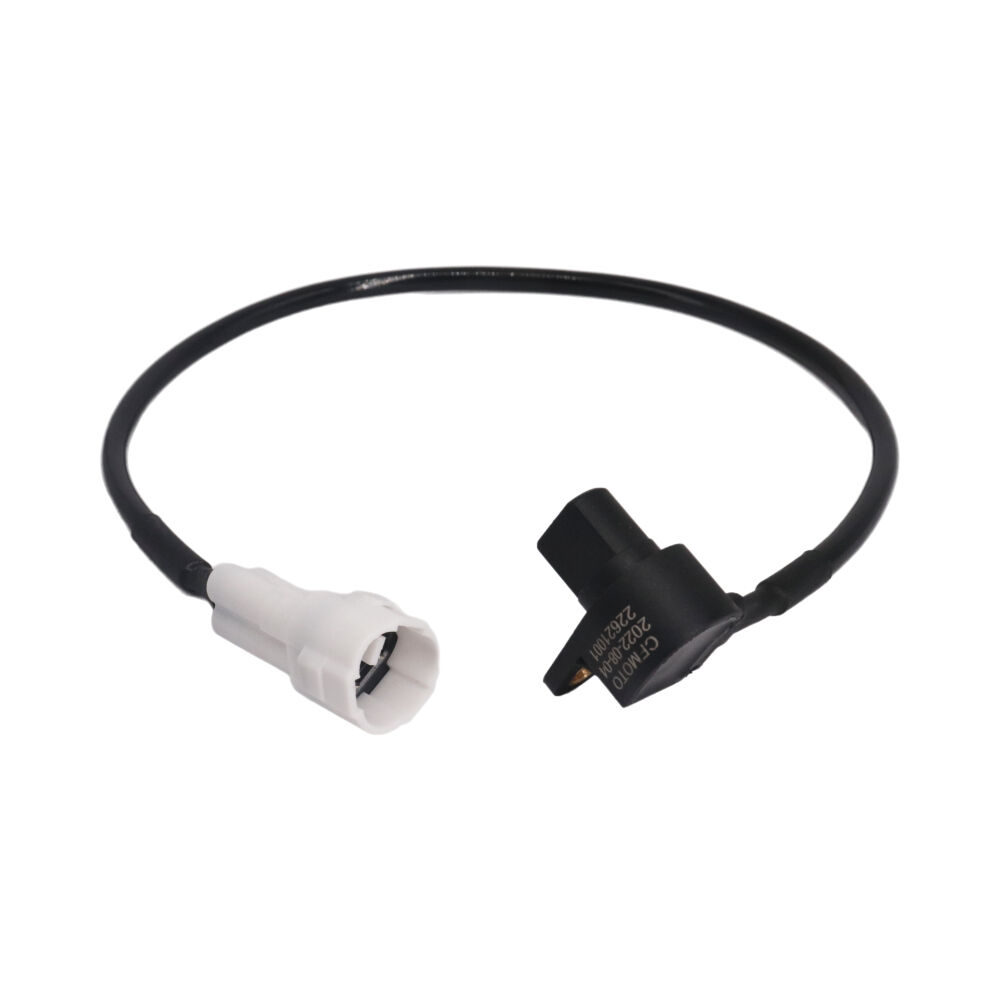
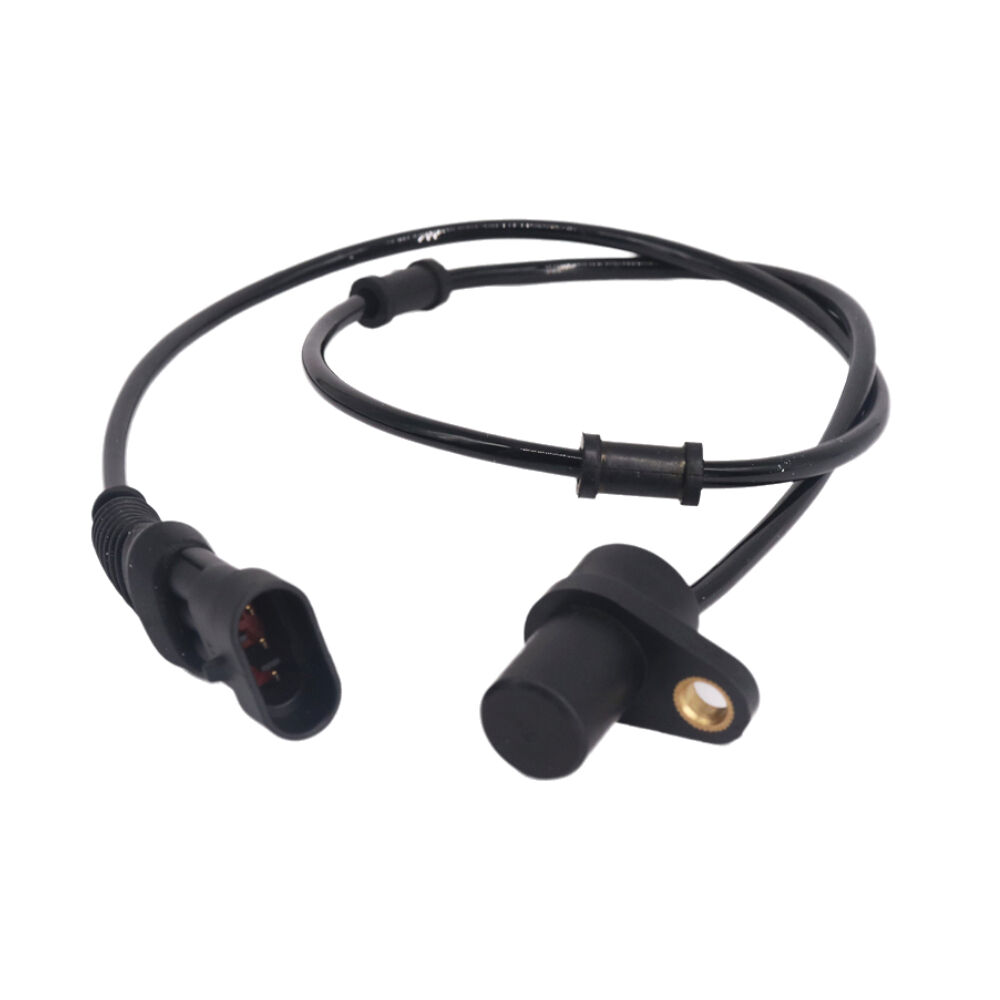
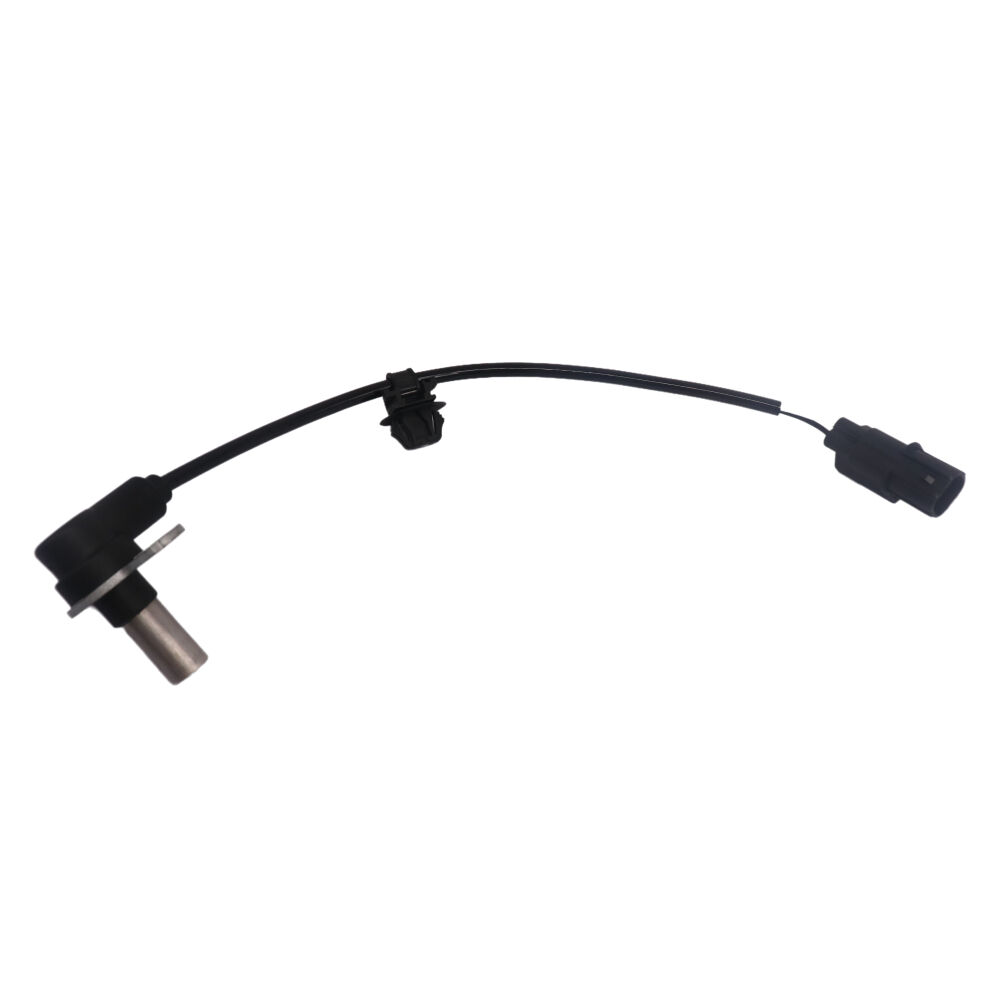
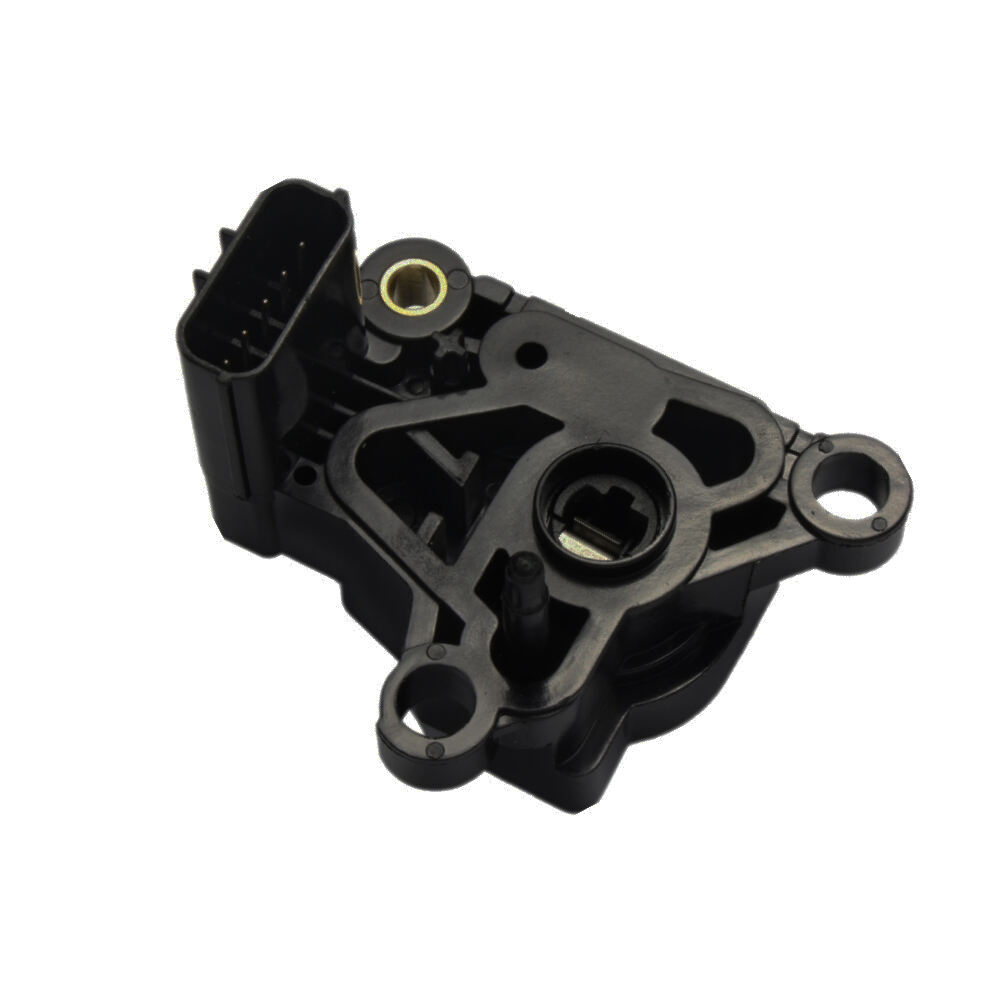
A transmission speed sensor is a critical component in modern vehicles that monitors and measures the rotational speed of various transmission components. This sophisticated device plays a vital role in ensuring optimal vehicle performance by providing real-time data to the vehicle's electronic control unit (ECU). The sensor utilizes electromagnetic technology to detect gear rotation speeds and converts this mechanical movement into electrical signals. These signals are then processed by the ECU to determine appropriate gear shifts, maintain proper transmission fluid pressure, and regulate overall transmission operation. The sensor's advanced design incorporates durable materials and precise calibration to withstand harsh operating conditions while maintaining accuracy. Installation locations typically include both input and output shaft positions, allowing for comprehensive monitoring of transmission performance. Modern transmission speed sensors feature enhanced sensitivity and faster response times compared to earlier models, enabling more precise control over automatic transmission functions. They are essential for features such as cruise control, traction control, and anti-lock braking systems, making them integral to both vehicle safety and performance. Regular maintenance and timely replacement of these sensors ensure continued optimal transmission operation and prevent potential damage to the transmission system.


Popular Products

Replacing a transmission speed sensor offers numerous practical benefits that directly impact vehicle performance and reliability. First and foremost, a new sensor ensures accurate speed readings, which is crucial for proper transmission timing and smooth gear shifts. This enhancement leads to improved fuel efficiency as the transmission operates at optimal efficiency levels. Vehicle owners often notice immediate improvements in shift quality, with smoother transitions between gears and reduced transmission hesitation. Safety is significantly enhanced through proper sensor function, as it enables accurate operation of various vehicle control systems. The replacement process typically involves minimal downtime and represents a cost-effective solution compared to potential transmission damage from continued operation with a faulty sensor. Modern replacement sensors often incorporate improved durability and resistance to environmental factors, potentially offering longer service life than original equipment. Installation of a new sensor can resolve various transmission-related issues, including erratic shifting, speedometer malfunctions, and check engine light warnings. The replacement also helps prevent more serious transmission problems that could develop from operating with a faulty sensor. Additionally, a new sensor contributes to better overall vehicle diagnostics by providing accurate data to the engine control module. This improved data transmission results in better vehicle performance, enhanced driving experience, and potentially increased resale value through documented maintenance.

Tips And Tricks

What Is The Difference Between The Different Sized PWK Carburetors?

29

Jul

What Is The Difference Between The Different Sized PWK Carburetors?

View More
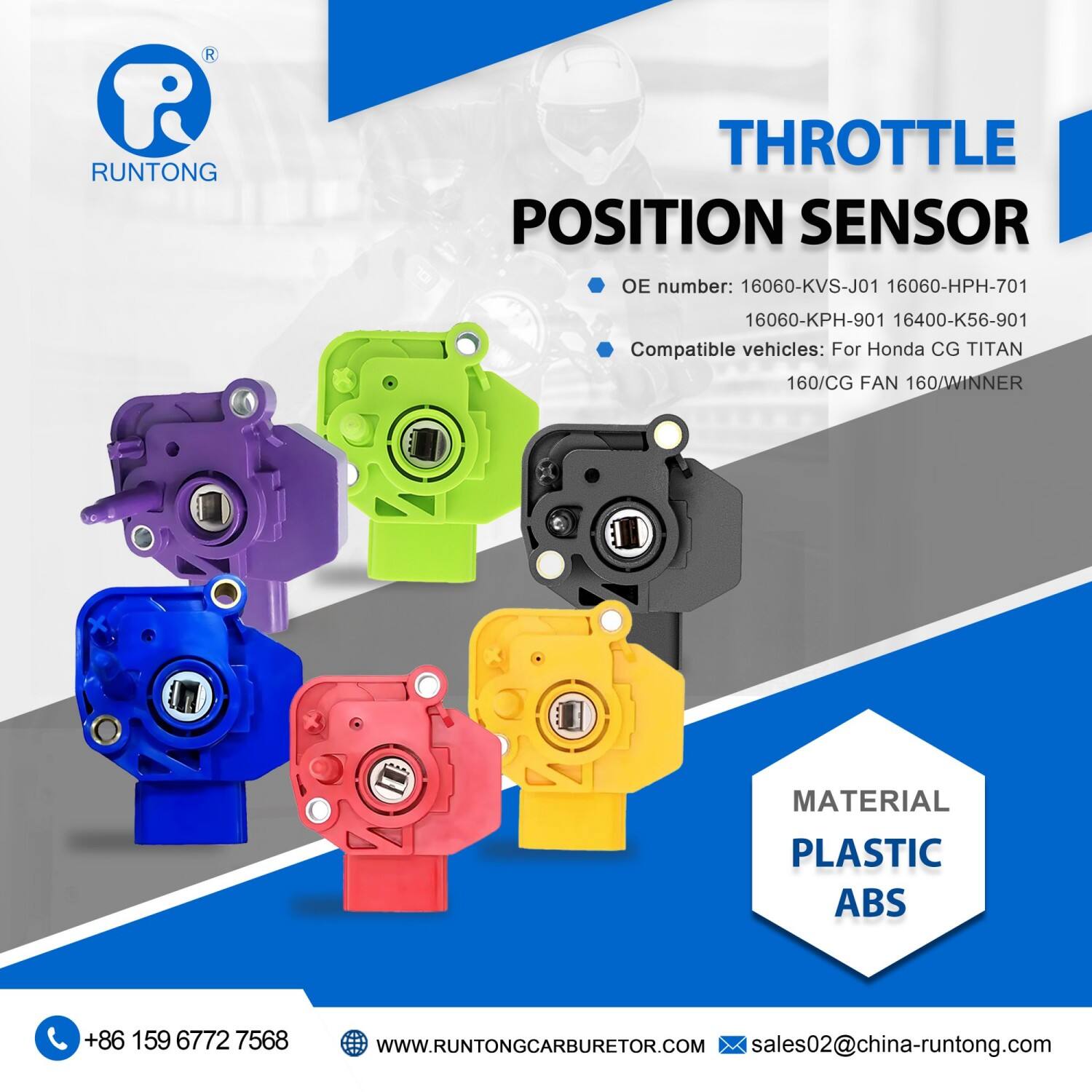
RS150 Motorcycle Tps Sensors In Different Colors Bring Different Visual Experiences

29

Jul

RS150 Motorcycle Tps Sensors In Different Colors Bring Different Visual Experiences

View More
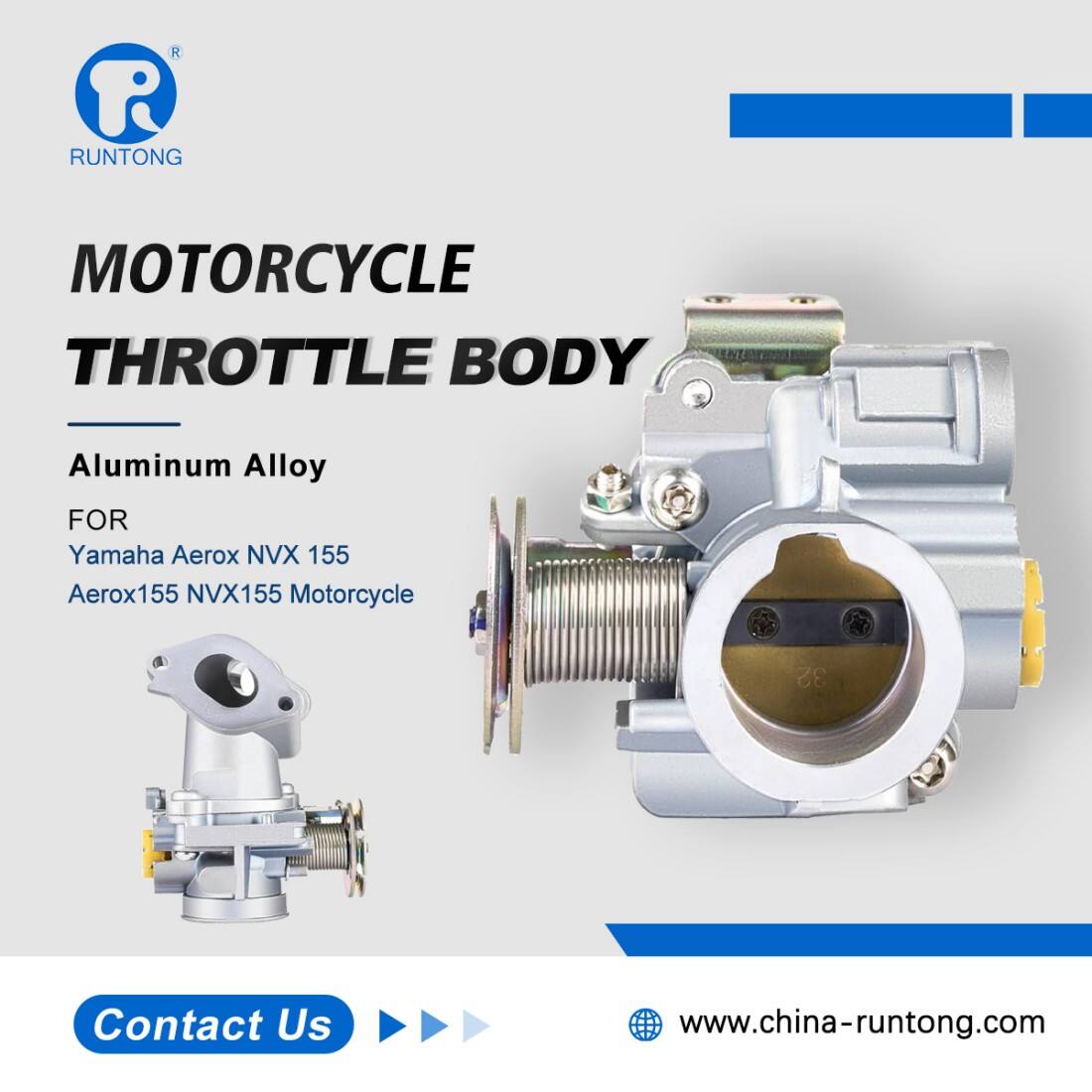
Aftermarket Yamaha Aerox155 Nvx155 Throttle Body Brings Better Driving Experience

29

Jul

Aftermarket Yamaha Aerox155 Nvx155 Throttle Body Brings Better Driving Experience

View More

Get a Free Quote

Our representative will contact you soon.
Email
Name
Company Name
Message
0/1000

replacing transmission speed sensor

Enhanced Performance and Reliability

Enhanced Performance and Reliability

Installing a new transmission speed sensor brings immediate and noticeable improvements to vehicle performance. The sensor's advanced electronic components ensure precise measurement of transmission speeds, resulting in more accurate gear shifting and improved overall transmission operation. Modern sensors are designed with enhanced durability features, including improved resistance to heat, vibration, and electromagnetic interference. This robust construction translates to longer service life and more reliable performance under various driving conditions. The sensor's ability to provide accurate, real-time data to the vehicle's computer system enables optimal transmission control, leading to smoother acceleration and better power delivery. These improvements contribute to a more enjoyable driving experience while potentially reducing wear on transmission components.
Comprehensive System Integration

Comprehensive System Integration

The replacement transmission speed sensor seamlessly integrates with multiple vehicle systems, providing essential data for various control functions. This integration extends beyond basic transmission operation to influence traction control, stability management, and cruise control systems. The sensor's sophisticated design allows for precise calibration with the vehicle's specific requirements, ensuring compatibility across different makes and models. Modern sensors feature advanced signal processing capabilities that minimize interference and improve data accuracy. This comprehensive integration enables better coordination between various vehicle systems, resulting in enhanced safety features and improved overall vehicle performance. The sensor's ability to communicate effectively with the vehicle's electronic control unit ensures optimal operation of all dependent systems.
Cost-Effective Preventive Maintenance

Cost-Effective Preventive Maintenance

Replacing the transmission speed sensor represents a smart preventive maintenance decision that can save substantial costs in the long run. Early replacement prevents potential damage to the transmission system that could result from operating with a faulty sensor. The installation process is relatively straightforward, requiring minimal labor time compared to more complex transmission repairs. Modern replacement sensors often come with extended warranty coverage, providing additional value and peace of mind for vehicle owners. The investment in a new sensor helps maintain optimal transmission performance, potentially extending the life of the entire transmission system. Regular sensor replacement as part of routine maintenance can help avoid more expensive repairs and maintain the vehicle's resale value.

Get a Free Quote

Our representative will contact you soon.
Email
Name
Company Name
Message
0/1000