High-Precision Speed Control Sensors: Advanced Monitoring Solutions for Industrial and Automotive Applications

All Categories

Get a Free Quote

Our representative will contact you soon.
Email
Name
Company Name
Message
0/1000

speed control sensor

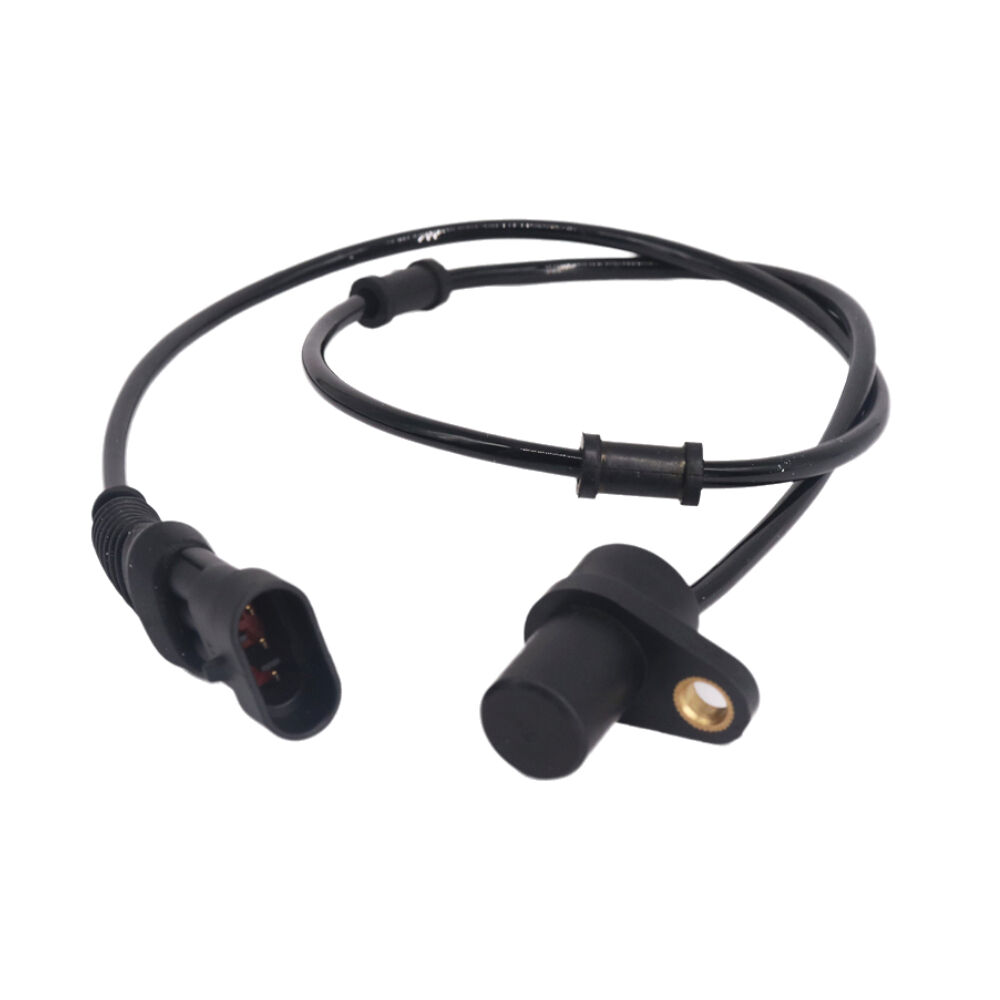
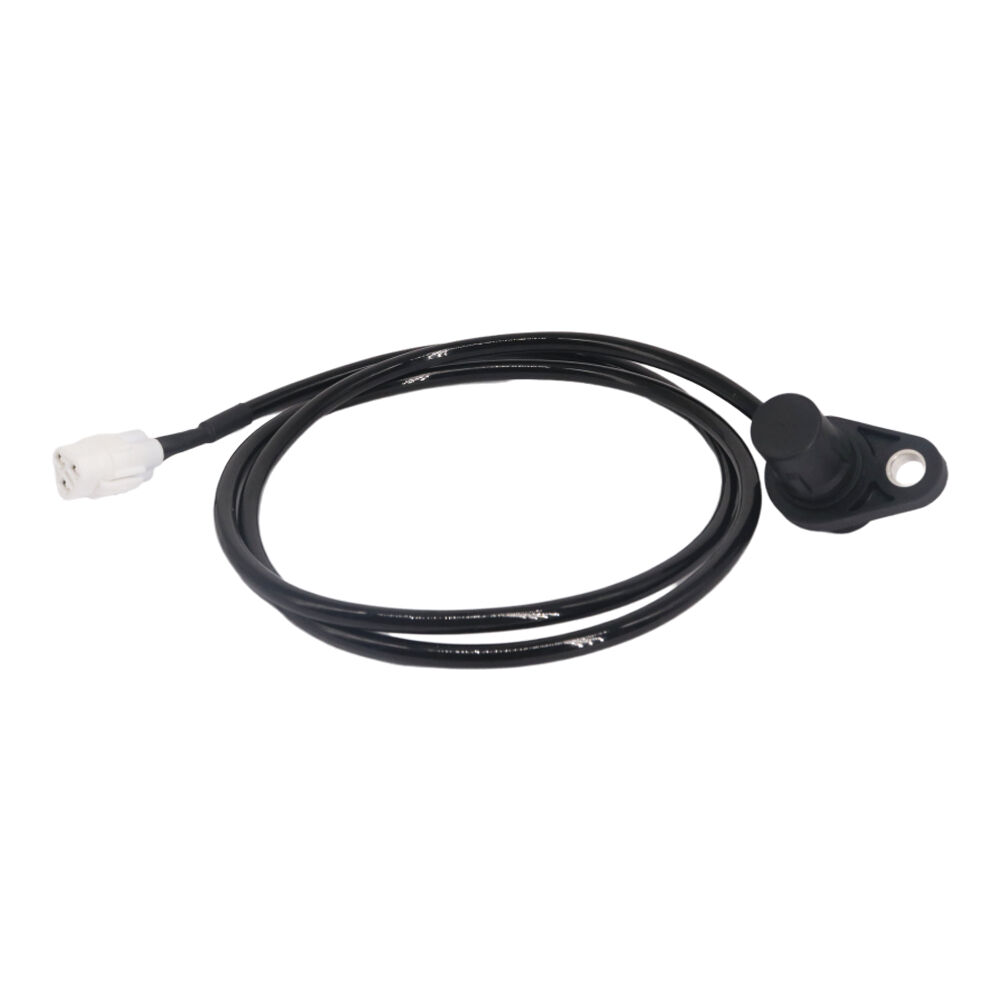
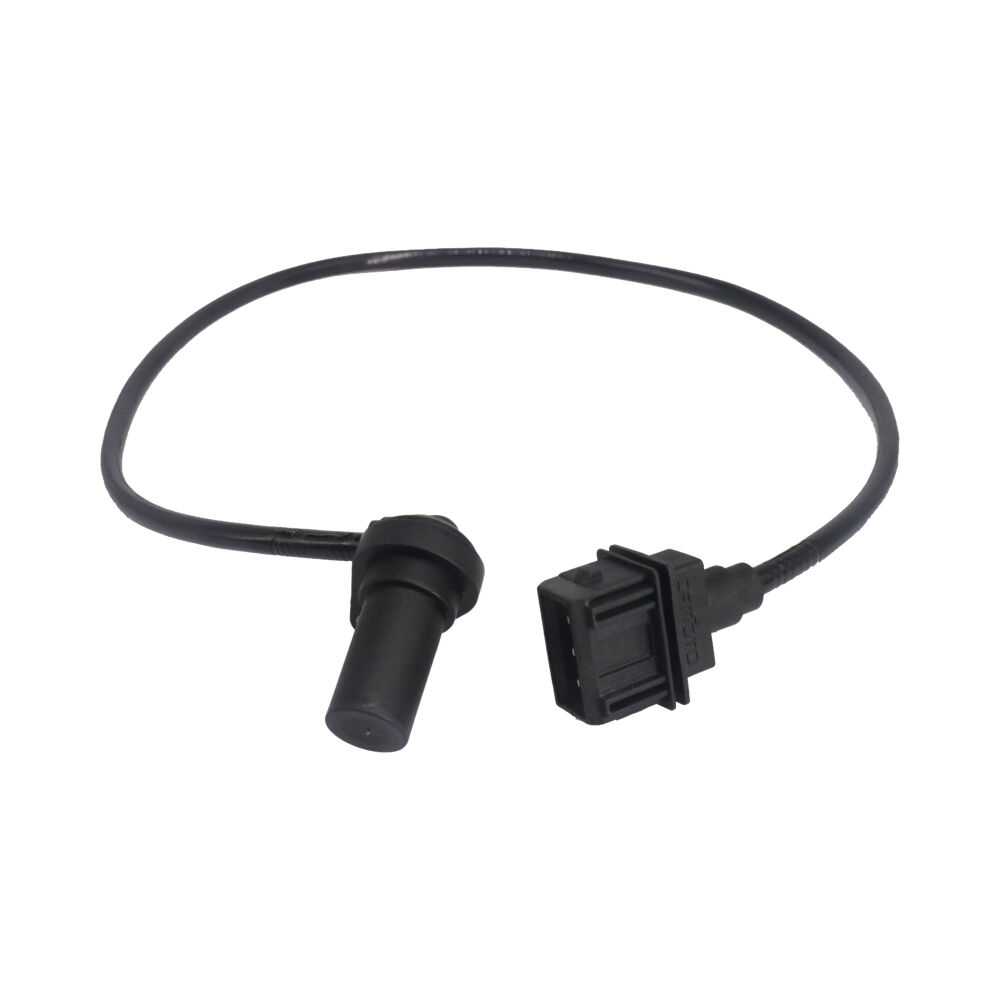
A speed control sensor is an advanced electronic device that plays a crucial role in monitoring and regulating the velocity of various mechanical systems. This sophisticated component utilizes cutting-edge technology to detect rotational or linear speed, converting mechanical movement into electrical signals for precise speed measurement and control. The sensor employs various detection methods, including magnetic, optical, or Hall effect principles, to ensure accurate speed monitoring across different applications. In industrial settings, these sensors are integral to maintaining optimal production speeds, enhancing safety protocols, and ensuring equipment longevity. The technology finds extensive applications in automotive systems, where it monitors wheel speed for anti-lock braking systems (ABS) and traction control. In manufacturing, speed control sensors enable precise control of conveyor belts, motors, and automated assembly lines. The sensor's ability to provide real-time feedback allows for immediate adjustments to maintain desired speed parameters, making it essential for quality control and operational efficiency. Modern speed control sensors often incorporate digital signal processing capabilities, enabling enhanced accuracy and reliability in speed detection and control functions. The integration of these sensors into smart manufacturing systems has revolutionized process automation, contributing to increased productivity and reduced operational costs.


New Product Releases

Speed control sensors offer numerous compelling advantages that make them indispensable in modern industrial and automotive applications. First, these sensors provide unparalleled accuracy in speed measurement, ensuring precise control over mechanical operations and enhancing overall system performance. The real-time monitoring capability allows for immediate detection of speed variations, enabling swift corrective actions to maintain optimal operational parameters. Their robust design ensures reliable performance in challenging environmental conditions, including extreme temperatures and vibrations. The sensors' compatibility with various control systems makes them versatile solutions for different applications, from simple motor control to complex automated manufacturing processes. Another significant advantage is their contribution to safety systems, particularly in automotive applications, where they help prevent accidents through precise speed monitoring and control. The low maintenance requirements and long operational life make speed control sensors cost-effective solutions for long-term deployment. Their ability to integrate with digital control systems enables advanced features such as remote monitoring and automated speed adjustment. The sensors also play a crucial role in energy efficiency by optimizing motor speeds and reducing unnecessary power consumption. Furthermore, their compact size and easy installation make them practical solutions for both new installations and system upgrades. The sensors' ability to provide detailed speed data supports predictive maintenance programs, helping prevent equipment failures and reduce downtime.

Tips And Tricks

What Is The Difference Between The Different Sized PWK Carburetors?

29

Jul

What Is The Difference Between The Different Sized PWK Carburetors?

View More
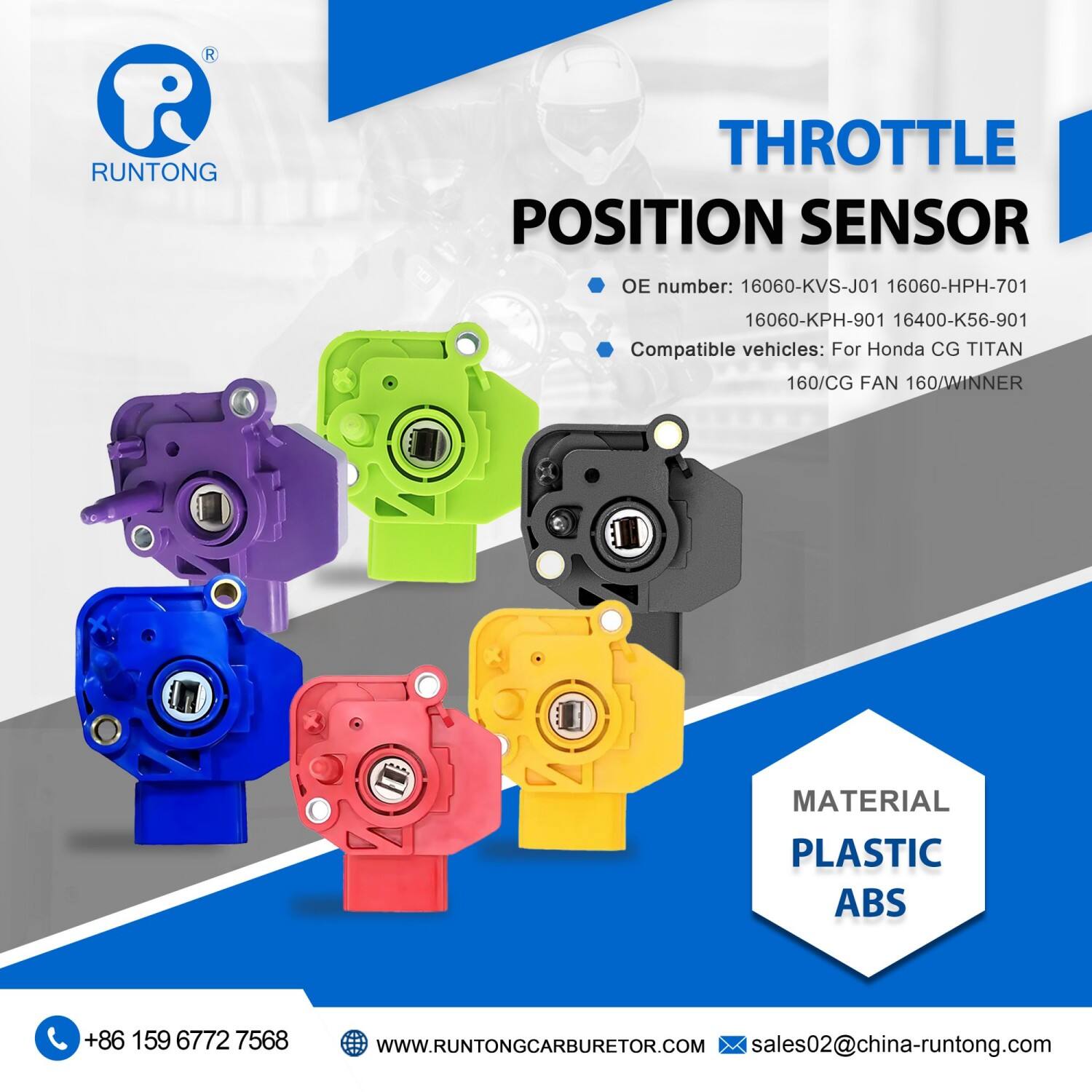
RS150 Motorcycle Tps Sensors In Different Colors Bring Different Visual Experiences

29

Jul

RS150 Motorcycle Tps Sensors In Different Colors Bring Different Visual Experiences

View More
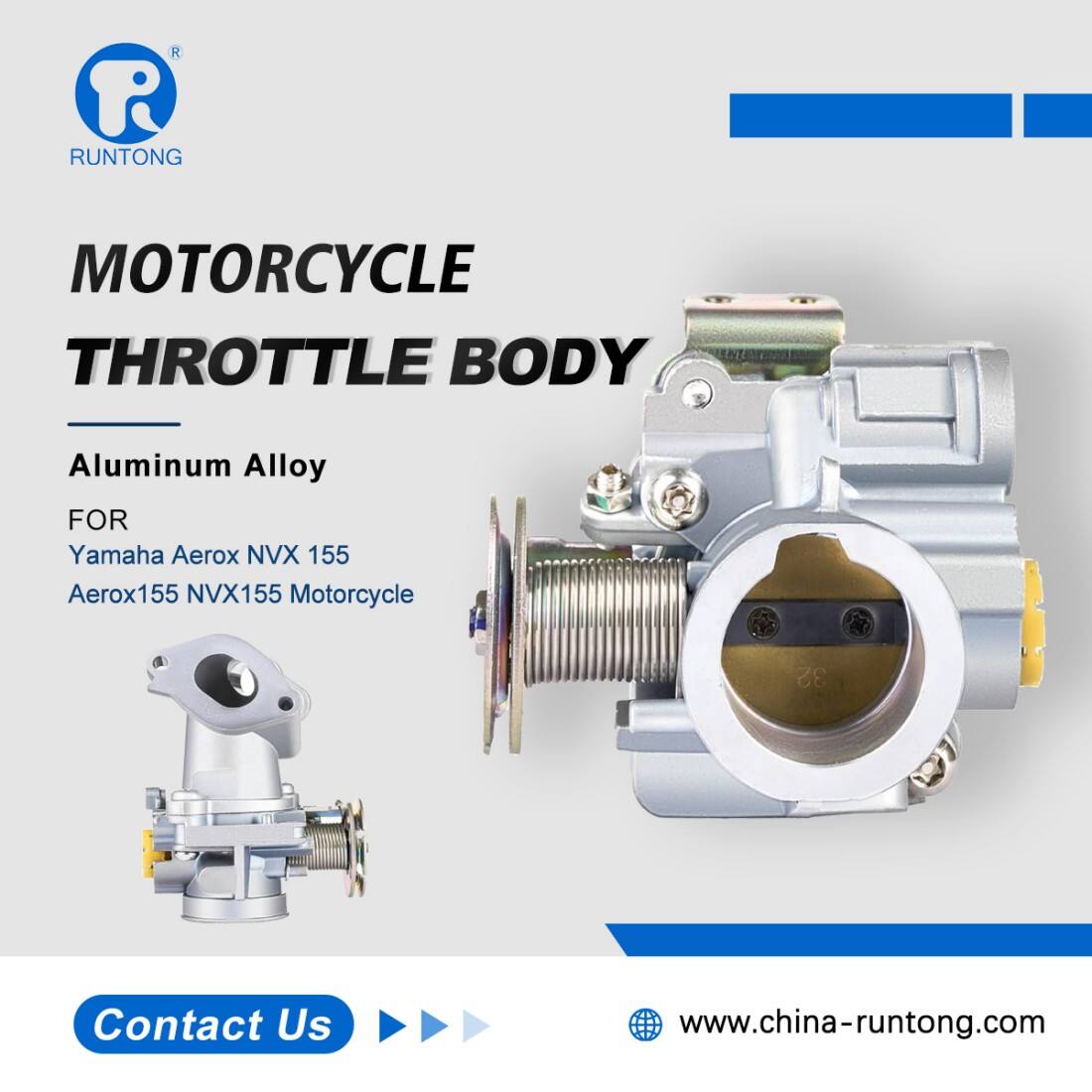
Aftermarket Yamaha Aerox155 Nvx155 Throttle Body Brings Better Driving Experience

29

Jul

Aftermarket Yamaha Aerox155 Nvx155 Throttle Body Brings Better Driving Experience

View More

Get a Free Quote

Our representative will contact you soon.
Email
Name
Company Name
Message
0/1000

speed control sensor

Advanced Digital Processing Capabilities

Advanced Digital Processing Capabilities

The speed control sensor's digital processing capabilities represent a significant advancement in speed monitoring technology. These sensors utilize sophisticated algorithms to process raw speed data, ensuring exceptional accuracy and reliability in measurements. The digital signal processing enables advanced filtering techniques that eliminate noise and interference, resulting in cleaner, more precise speed readings. This feature is particularly valuable in environments with electromagnetic interference or mechanical vibration. The sensor's ability to process data digitally also allows for programmable speed thresholds and customizable response parameters, making it adaptable to various application requirements. The digital architecture enables seamless integration with modern control systems and supports various communication protocols for efficient data transfer and system monitoring.
Intelligent Feedback System

Intelligent Feedback System

The intelligent feedback system incorporated in speed control sensors represents a breakthrough in automated speed regulation. This system continuously monitors speed variations and automatically adjusts control parameters to maintain desired speed levels. The feedback mechanism operates with minimal latency, ensuring rapid response to speed changes and maintaining system stability. The intelligent system can learn from operational patterns and adapt its control strategies for optimal performance. This self-learning capability makes the sensor particularly effective in applications with varying load conditions or changing environmental factors. The feedback system also includes diagnostic capabilities that can identify potential issues before they lead to system failures.
Enhanced Safety Features

Enhanced Safety Features

The speed control sensor incorporates comprehensive safety features that make it an essential component in modern machinery and vehicles. These features include multiple redundancy checks that ensure reliable speed monitoring even in case of partial system failure. The sensor's rapid response time enables immediate activation of safety protocols when speed limits are exceeded. Advanced error detection algorithms continuously monitor sensor performance and alert operators to any anomalies. The sensor's fail-safe design ensures that safety systems remain operational even in extreme conditions. These safety features are particularly crucial in applications where speed control is critical for preventing accidents and protecting equipment from damage.

Get a Free Quote

Our representative will contact you soon.
Email
Name
Company Name
Message
0/1000