Bad Idle Air Control Valve: Symptoms, Diagnosis, and Solutions for Optimal Engine Performance

All Categories

Get a Free Quote

Our representative will contact you soon.
Email
Name
Company Name
Message
0/1000

bad idle air control valve

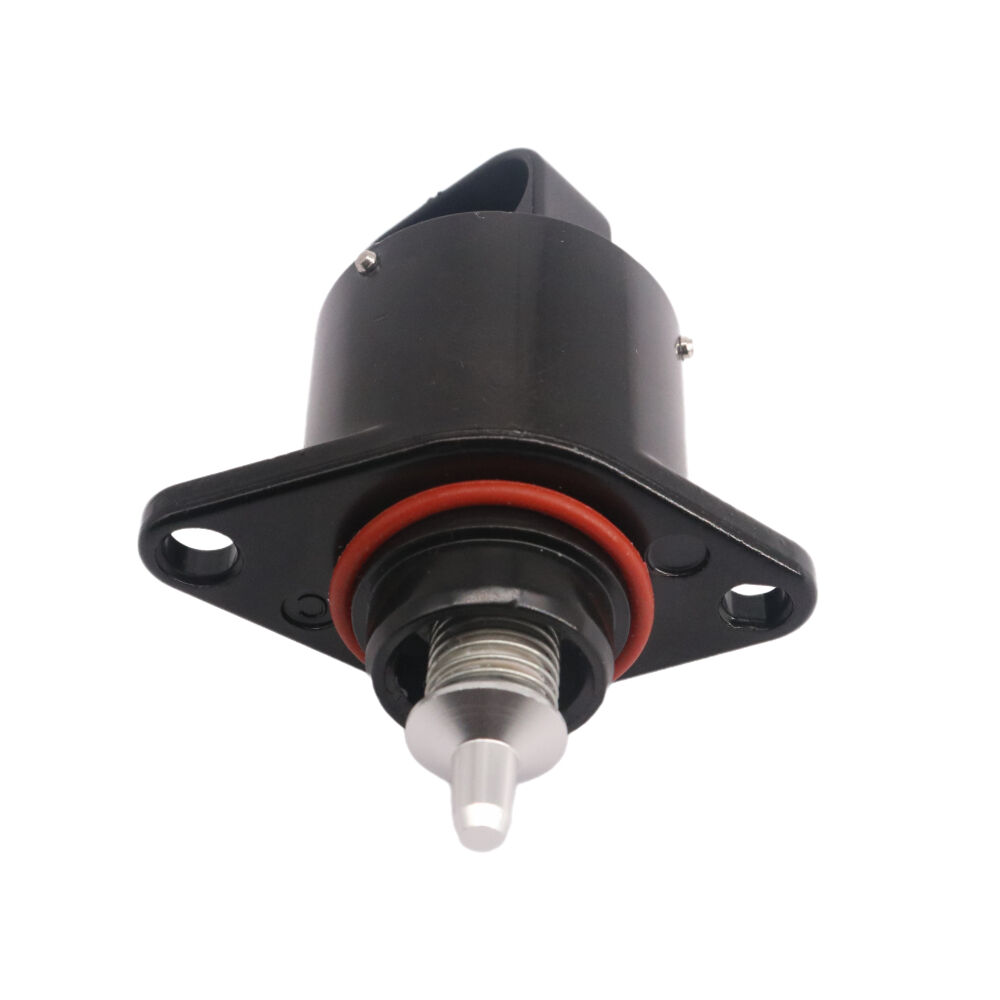
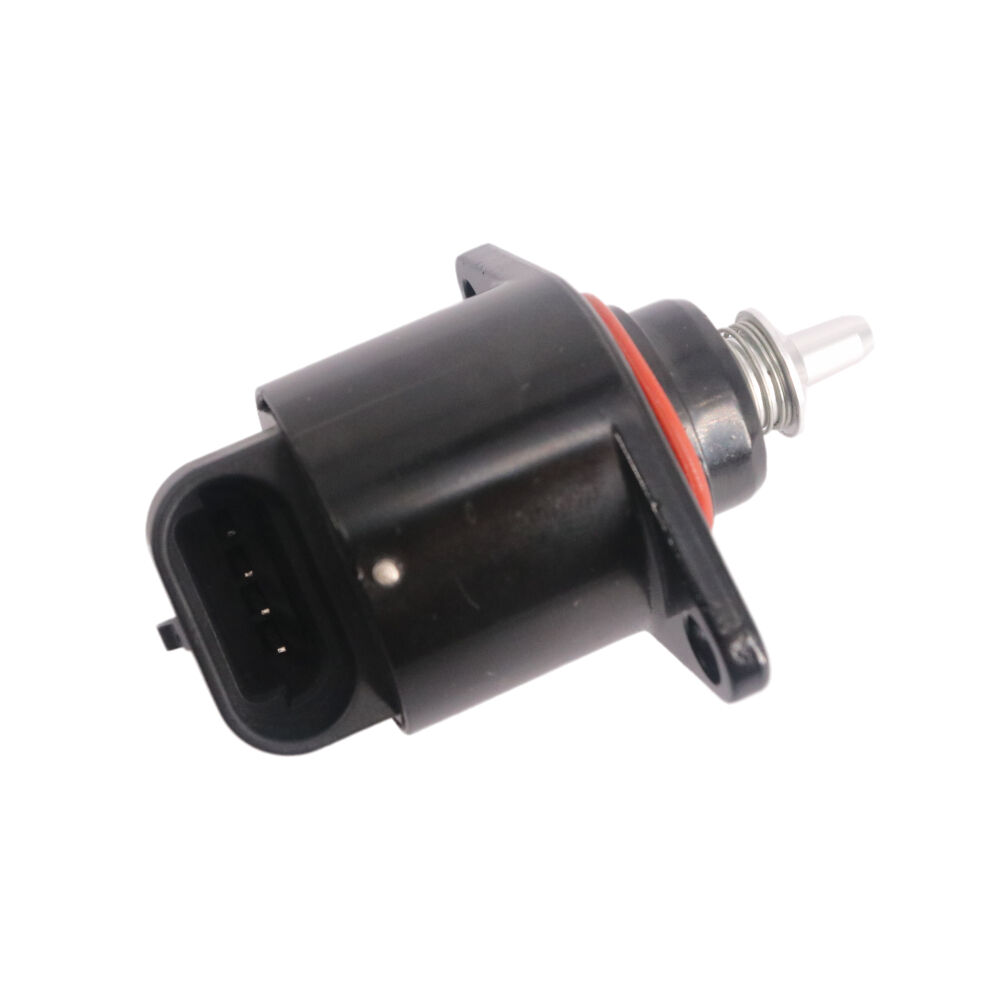
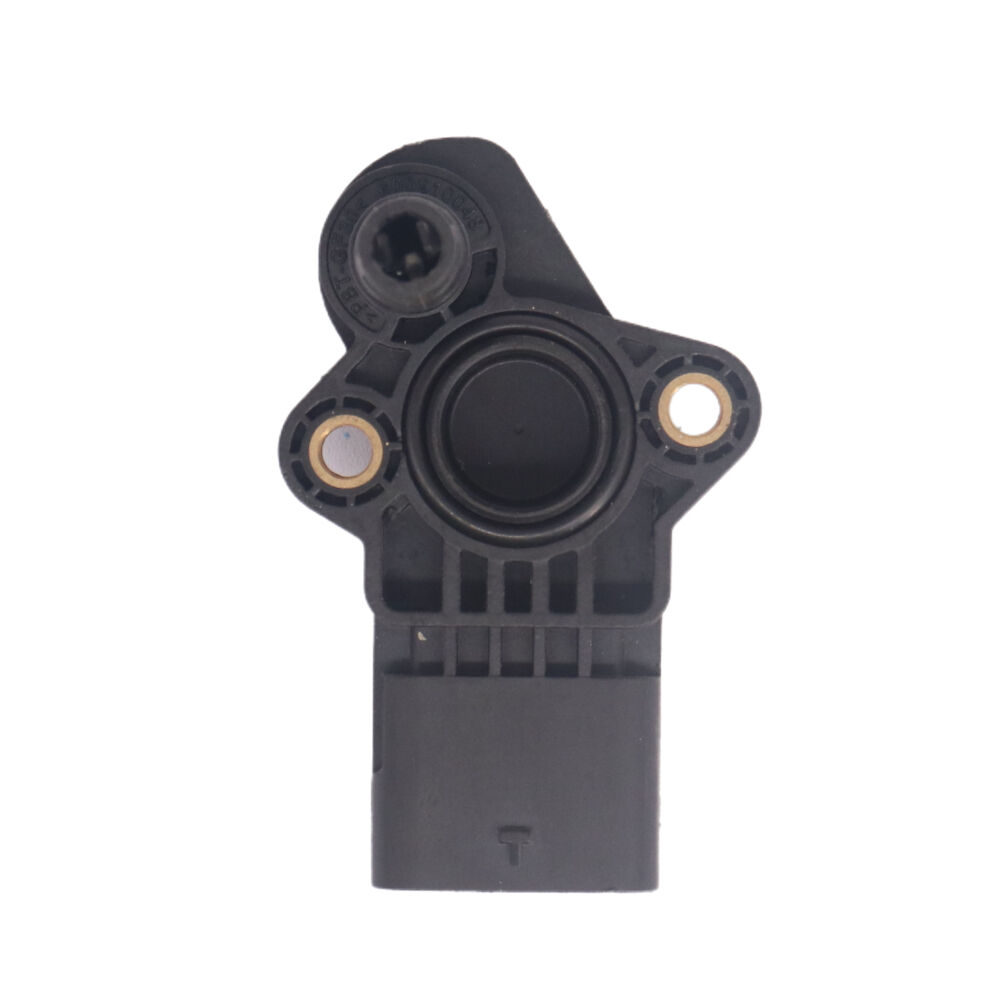
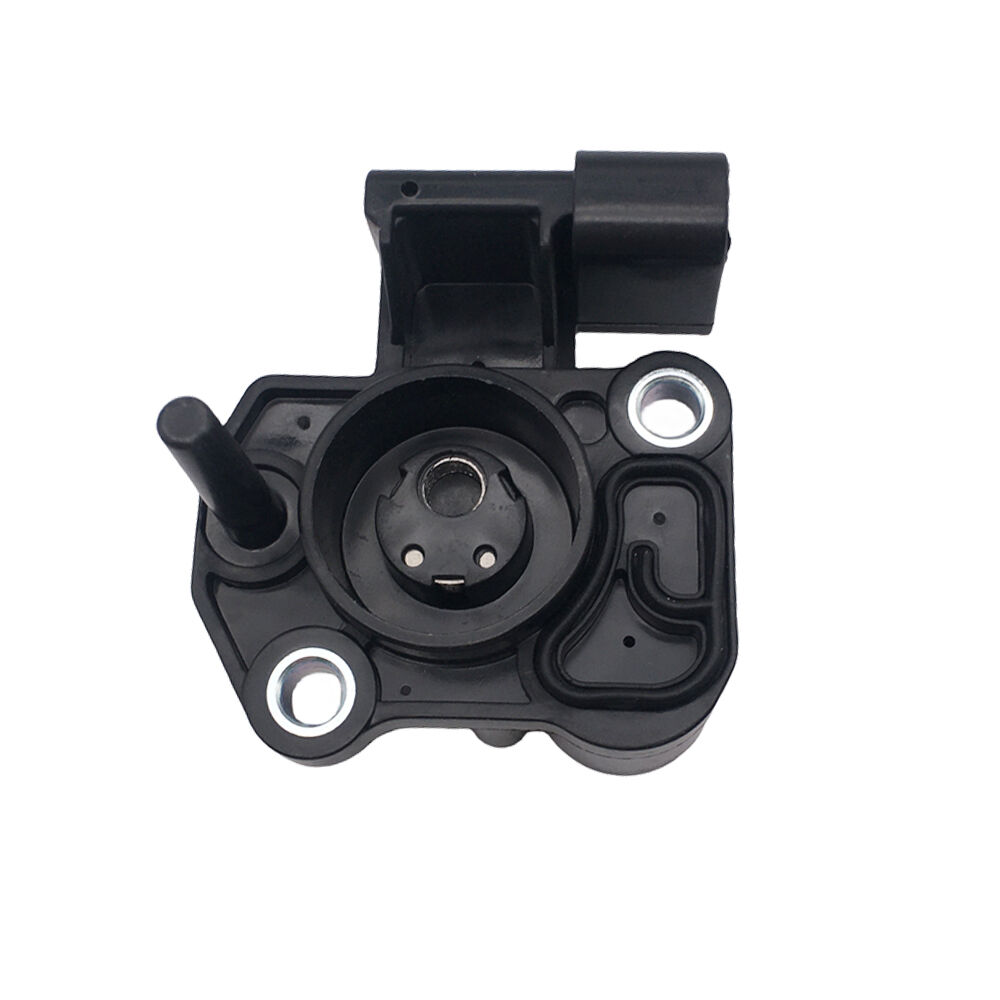
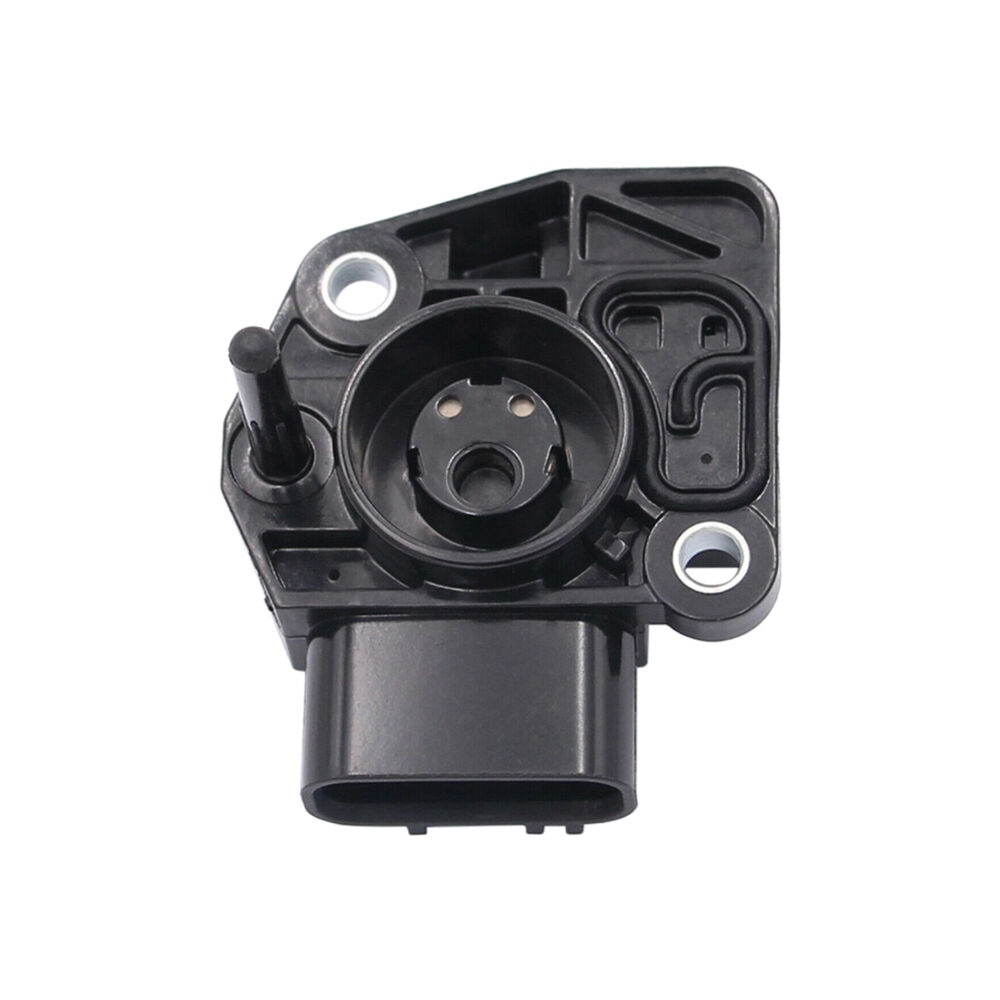
The bad idle air control valve (IACV) is a critical component in modern vehicle engine management systems, responsible for regulating engine idle speed and ensuring smooth operation during cold starts and varying load conditions. This sophisticated device works by controlling the amount of air bypassing the throttle plate when the engine is idling, effectively maintaining a stable RPM. When an IACV begins to malfunction, it typically manifests through symptoms such as irregular idle speeds, stalling, or rough running conditions. The valve operates through a combination of electronic signals from the engine control unit (ECU) and mechanical components, adjusting air flow based on various factors including engine temperature, air conditioning load, and transmission engagement. Common issues arise from carbon buildup, electrical failures, or mechanical wear, leading to decreased performance and increased fuel consumption. Understanding these symptoms is crucial for proper diagnosis and maintenance, as a failing IACV can significantly impact vehicle drivability and efficiency. The component's design typically includes a stepper motor or rotary solenoid that precisely controls air flow through small passages, working in conjunction with the ECU to maintain optimal idle conditions across different operating parameters.


New Product Recommendations

A properly functioning idle air control valve offers numerous benefits that directly impact vehicle performance and driver satisfaction. First and foremost, it ensures consistent idle speed regardless of engine load or environmental conditions, providing smooth and reliable operation during cold starts and when accessories are engaged. This stability translates to improved fuel efficiency, as the engine maintains optimal RPM without unnecessary fluctuations. The valve's precise control helps reduce emissions by maintaining proper air-fuel mixtures at idle, contributing to environmental compliance and better engine health. Additionally, the IACV's automated adjustment capability eliminates the need for manual idle speed adjustments, saving time and maintenance costs. When properly maintained, it extends engine life by preventing rough running conditions that can stress engine components. The system's integration with modern engine management systems allows for real-time adaptations to changing conditions, ensuring optimal performance across various operating scenarios. For drivers, this means more reliable cold-weather starts, improved air conditioning performance, and reduced risk of stalling when stopping. The valve's role in maintaining stable idle speeds also contributes to smoother power steering operation and better battery charging at idle, enhancing overall vehicle functionality and reliability. Understanding these advantages helps vehicle owners appreciate the importance of proper IACV maintenance and prompt attention to any developing issues.

Practical Tips

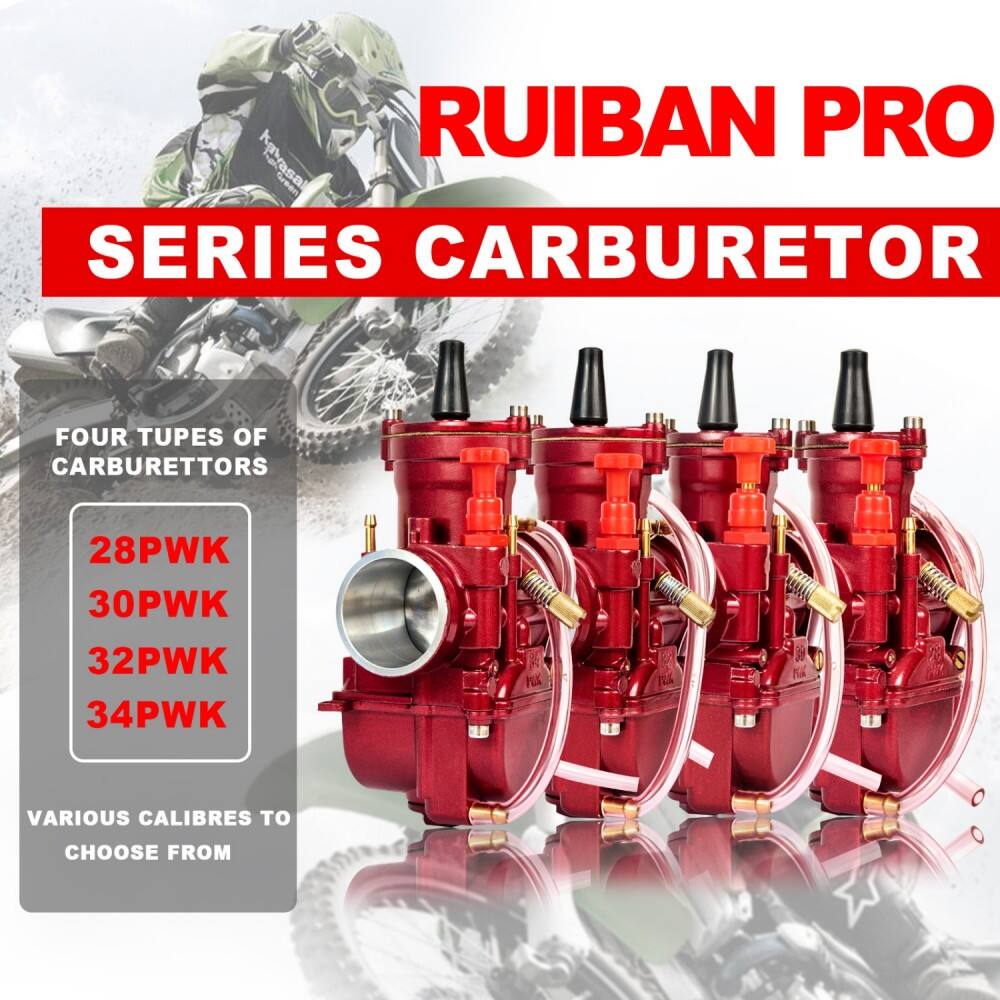
What Is The Difference Between The Different Sized PWK Carburetors?

29

Jul

What Is The Difference Between The Different Sized PWK Carburetors?

View More
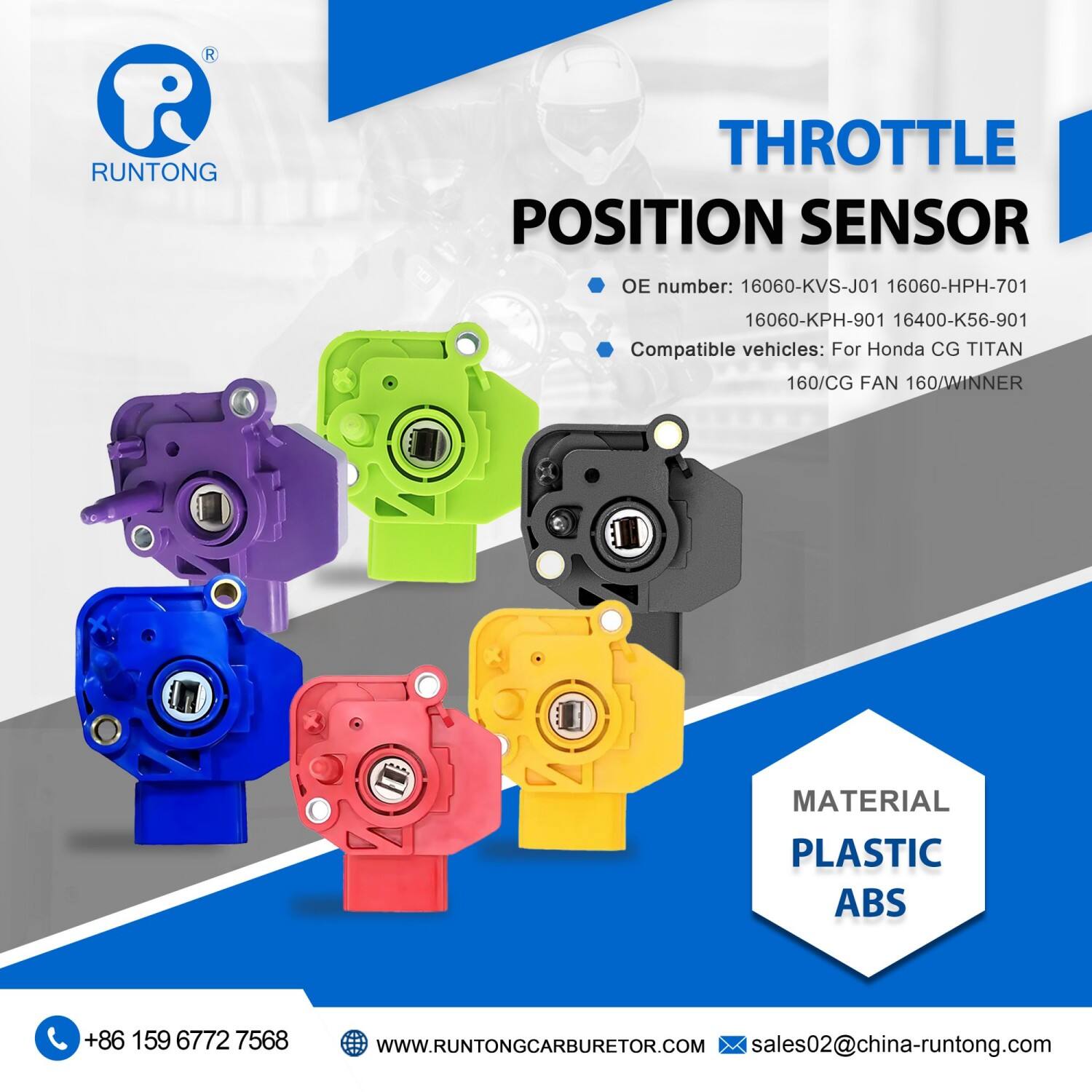
RS150 Motorcycle Tps Sensors In Different Colors Bring Different Visual Experiences

29

Jul

RS150 Motorcycle Tps Sensors In Different Colors Bring Different Visual Experiences

View More
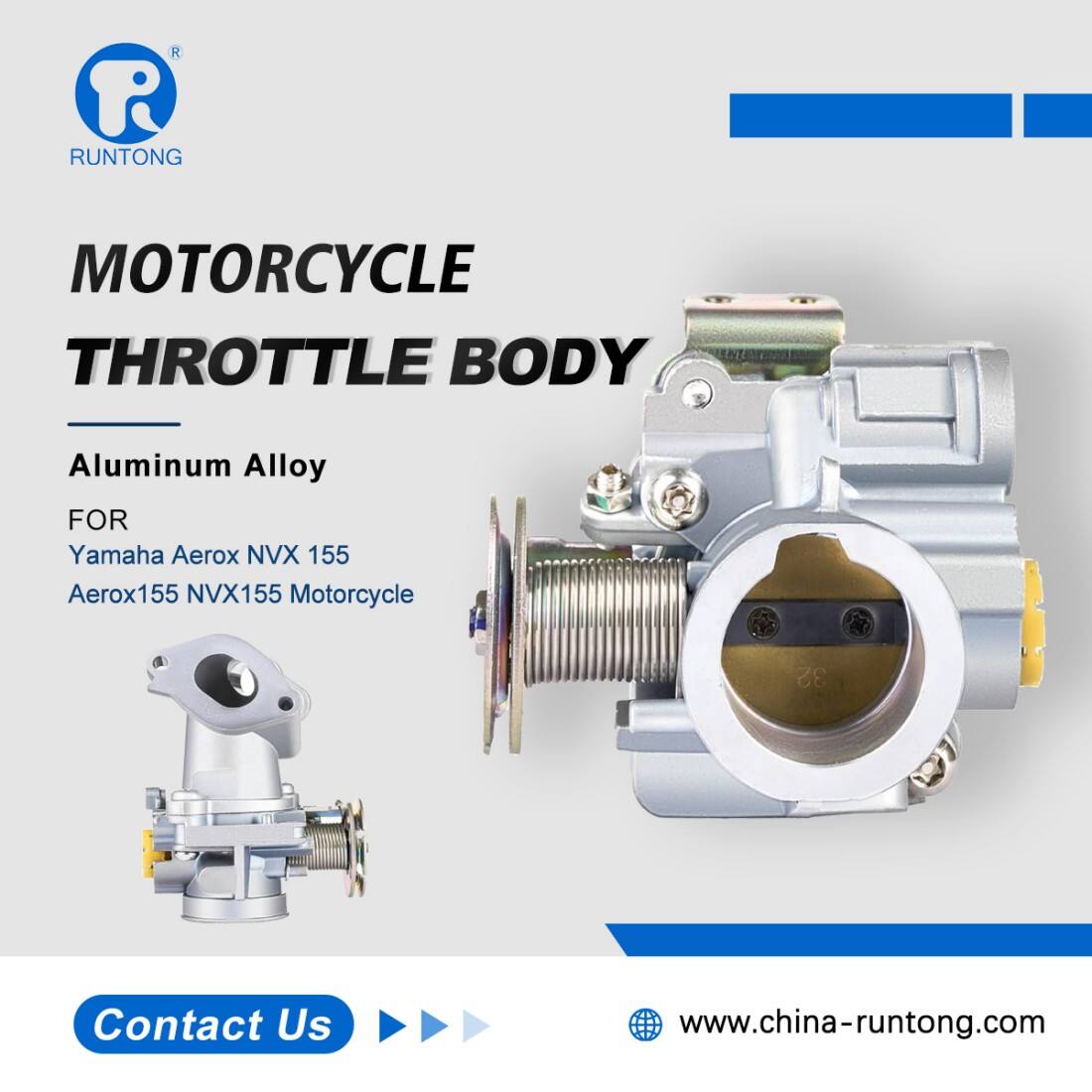
Aftermarket Yamaha Aerox155 Nvx155 Throttle Body Brings Better Driving Experience

29

Jul

Aftermarket Yamaha Aerox155 Nvx155 Throttle Body Brings Better Driving Experience

View More

Get a Free Quote

Our representative will contact you soon.
Email
Name
Company Name
Message
0/1000

bad idle air control valve

Advanced Electronic Integration

Advanced Electronic Integration

The sophisticated electronic integration of modern idle air control valves represents a significant advancement in engine management technology. This system utilizes precise digital control algorithms to continuously monitor and adjust idle speed based on real-time data from multiple engine sensors. The integration allows for millisecond-level responses to changing conditions, ensuring optimal performance in various situations. The electronic control unit processes information about engine temperature, load, and operating conditions to make instantaneous adjustments to the valve position, maintaining ideal idle speeds. This level of precision was impossible with older mechanical systems, making electronic IACVs a crucial component in modern engine efficiency and performance optimization.
Diagnostic Capability

Diagnostic Capability

Modern idle air control valves incorporate advanced diagnostic capabilities that enable early detection of potential issues before they become serious problems. The system continuously monitors valve performance and operation, generating diagnostic trouble codes (DTCs) when parameters fall outside normal ranges. This self-diagnostic feature allows technicians to quickly identify specific issues using standard diagnostic tools, reducing troubleshooting time and repair costs. The ability to detect subtle changes in valve operation helps prevent more serious engine problems by allowing early intervention. This diagnostic capability is particularly valuable for maintaining optimal engine performance and preventing unexpected breakdowns.
Adaptive Learning Technology

Adaptive Learning Technology

The adaptive learning technology built into modern idle air control valves represents a significant advancement in engine management systems. This feature allows the valve to learn and adjust to changes in engine wear patterns and operating conditions over time, maintaining optimal performance throughout the vehicle's life. The system continuously updates its baseline parameters based on actual operating conditions, ensuring consistent performance even as components age. This adaptive capability helps compensate for normal wear and tear, maintaining stable idle speeds and efficient operation without requiring frequent manual adjustments. The technology also helps optimize fuel efficiency by maintaining precise air control under varying conditions.

Get a Free Quote

Our representative will contact you soon.
Email
Name
Company Name
Message
0/1000