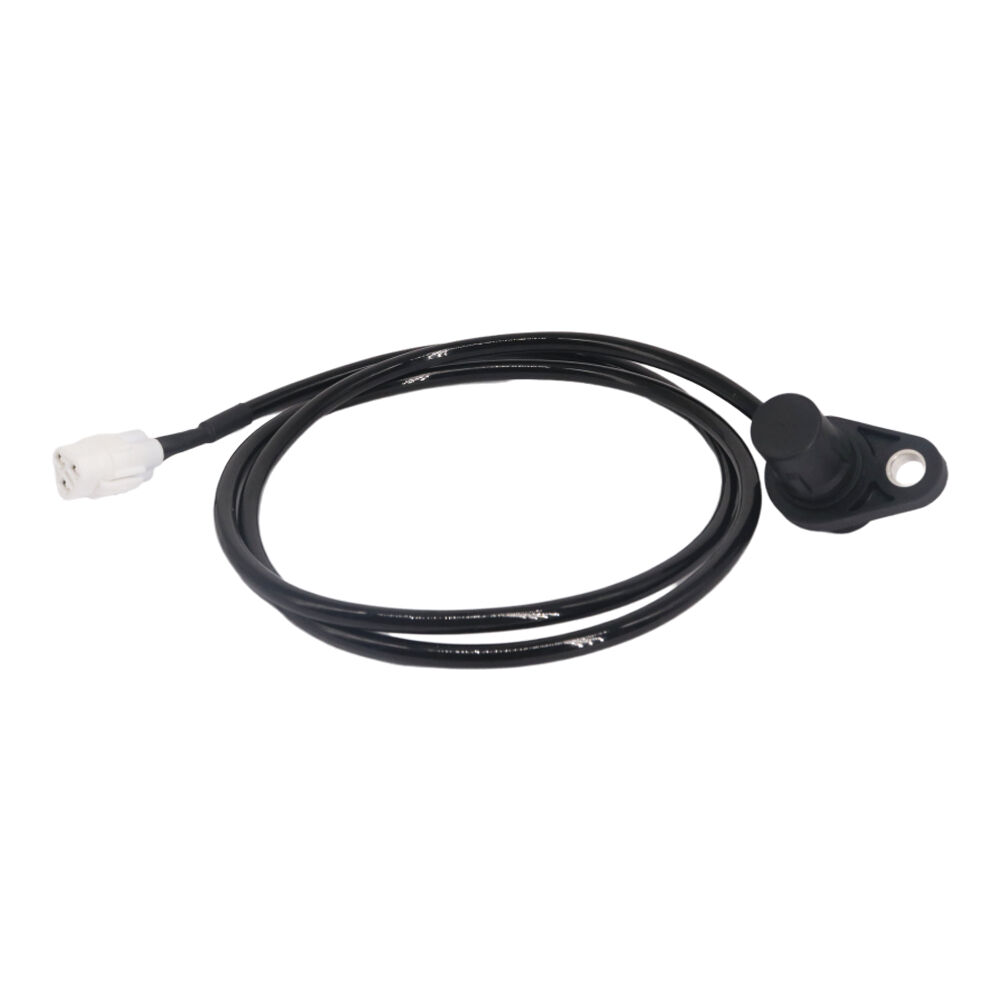
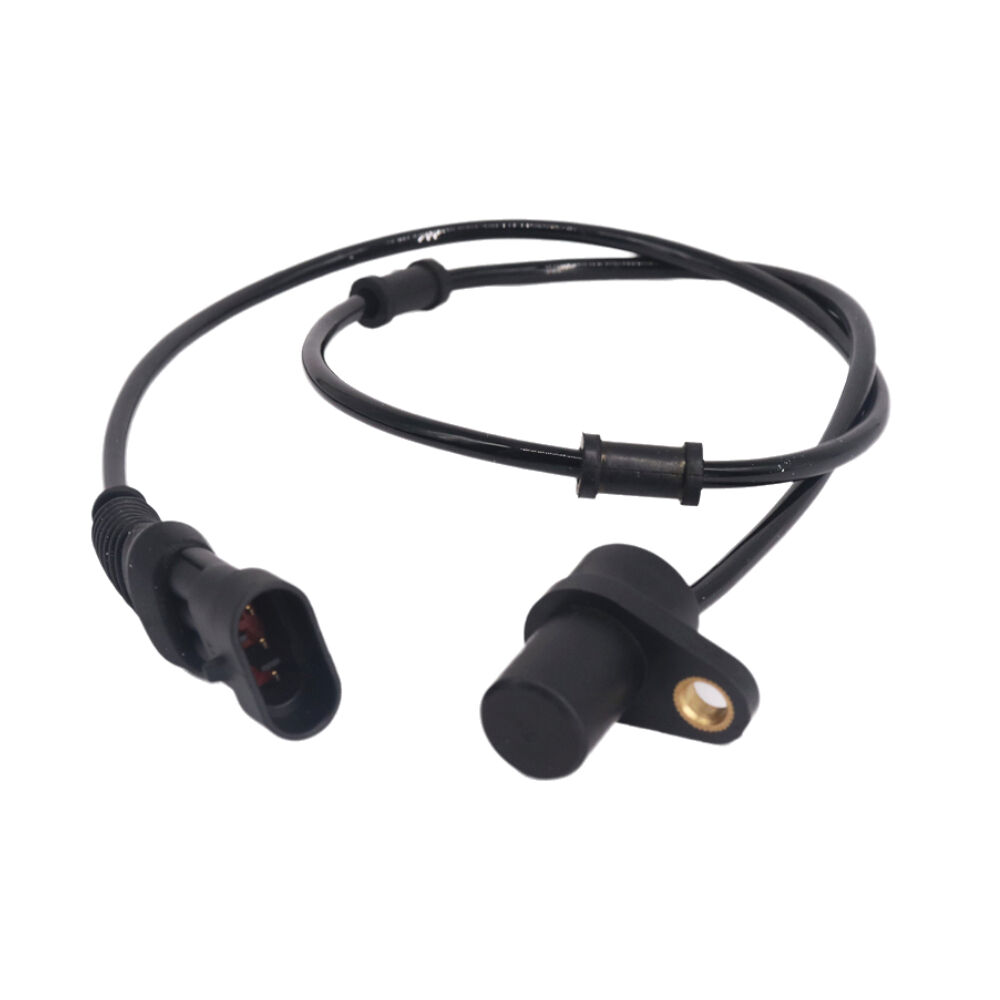
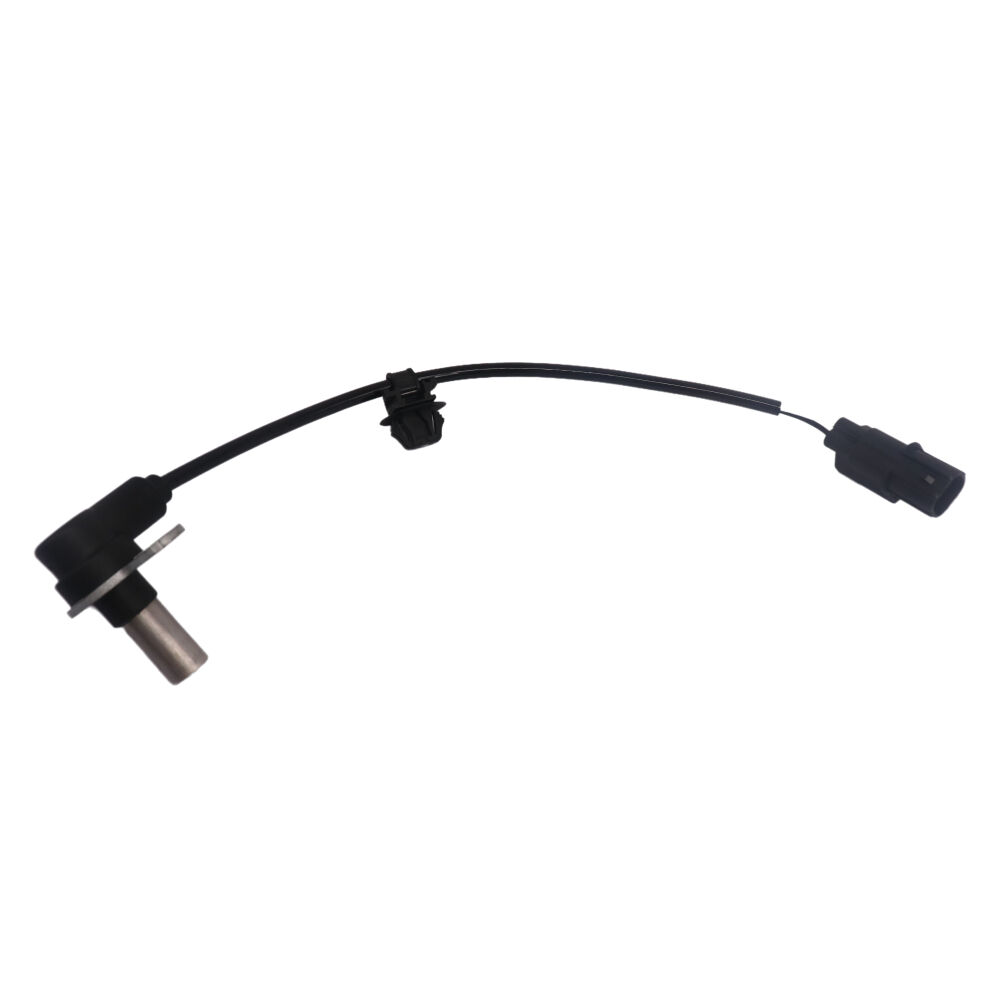
High-Performance Rear Speed Sensor: Advanced Safety and Vehicle Control Solution

All Categories

Get a Free Quote

Our representative will contact you soon.
Email
Name
Company Name
Message
0/1000

rear speed sensor

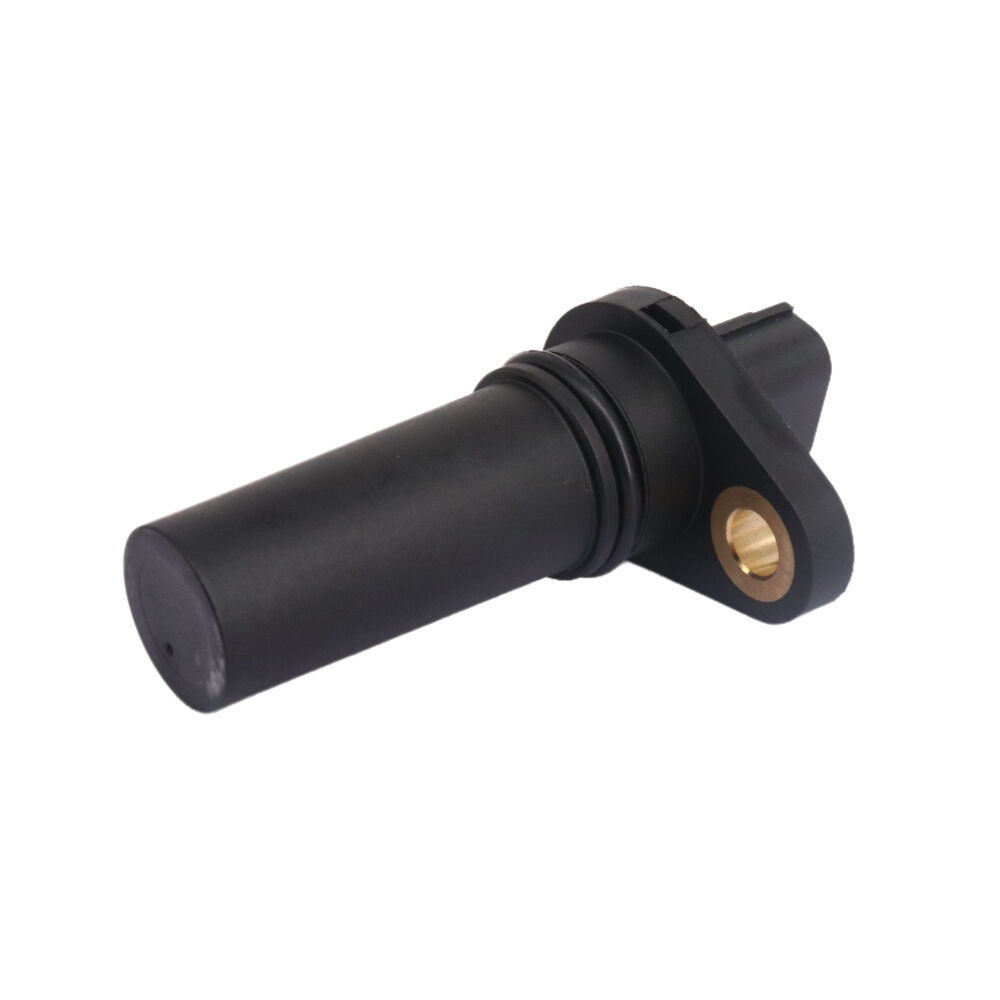
The rear speed sensor is a crucial automotive component that plays a vital role in vehicle safety and performance monitoring. This sophisticated device continuously measures the rotational speed of the rear wheels, providing essential data to various vehicle control systems. Operating through electromagnetic principles, the sensor generates electrical pulses proportional to wheel speed, which are then converted into digital signals for processing by the vehicle's electronic control unit (ECU). The sensor's primary function extends beyond simple speed measurement, as it contributes to the proper functioning of anti-lock braking systems (ABS), traction control, and electronic stability programs. In modern vehicles, rear speed sensors are designed with advanced materials and shielding to ensure reliable operation under diverse weather conditions and driving environments. These sensors are typically mounted near the wheel hub or integrated into the wheel bearing assembly, allowing for precise measurements while being protected from road debris and environmental factors. The technology has evolved to include features such as self-diagnostic capabilities and enhanced signal processing, ensuring accurate readings even in challenging conditions. Applications of rear speed sensors span across various vehicle types, from passenger cars to commercial trucks, making them an indispensable component in modern automotive safety systems.


New Products

The rear speed sensor offers numerous significant advantages that make it an essential component in modern vehicles. First and foremost, it enhances driving safety by providing real-time wheel speed data that enables precise control of braking systems, particularly in emergency situations. This immediate feedback allows the ABS to function optimally, preventing wheel lock-up during sudden braking. The sensor's accuracy in speed detection also contributes to improved traction control, helping drivers maintain vehicle stability on various road surfaces and weather conditions. From a maintenance perspective, rear speed sensors are designed for longevity and reliability, requiring minimal upkeep while providing consistent performance throughout their lifespan. The sensor's robust construction ensures durability against environmental factors such as moisture, temperature variations, and road debris. Another key advantage is its role in fuel efficiency optimization by providing data that helps maintain optimal vehicle speed and acceleration patterns. The integration with modern vehicle electronics allows for seamless communication with other safety systems, creating a comprehensive safety network. Additionally, the sensor's ability to detect unusual wheel behavior can serve as an early warning system for potential tire or brake issues, helping prevent more serious problems from developing. The cost-effectiveness of these sensors is notable, as their preventive capabilities can help avoid more expensive repairs and maintenance issues in the long run. Finally, the sensor's contribution to overall vehicle performance and handling makes it a valuable asset for both everyday drivers and performance enthusiasts.

Practical Tips

What Is The Difference Between The Different Sized PWK Carburetors?

29

Jul

What Is The Difference Between The Different Sized PWK Carburetors?

View More
RS150 Motorcycle Tps Sensors In Different Colors Bring Different Visual Experiences

29

Jul

RS150 Motorcycle Tps Sensors In Different Colors Bring Different Visual Experiences

View More
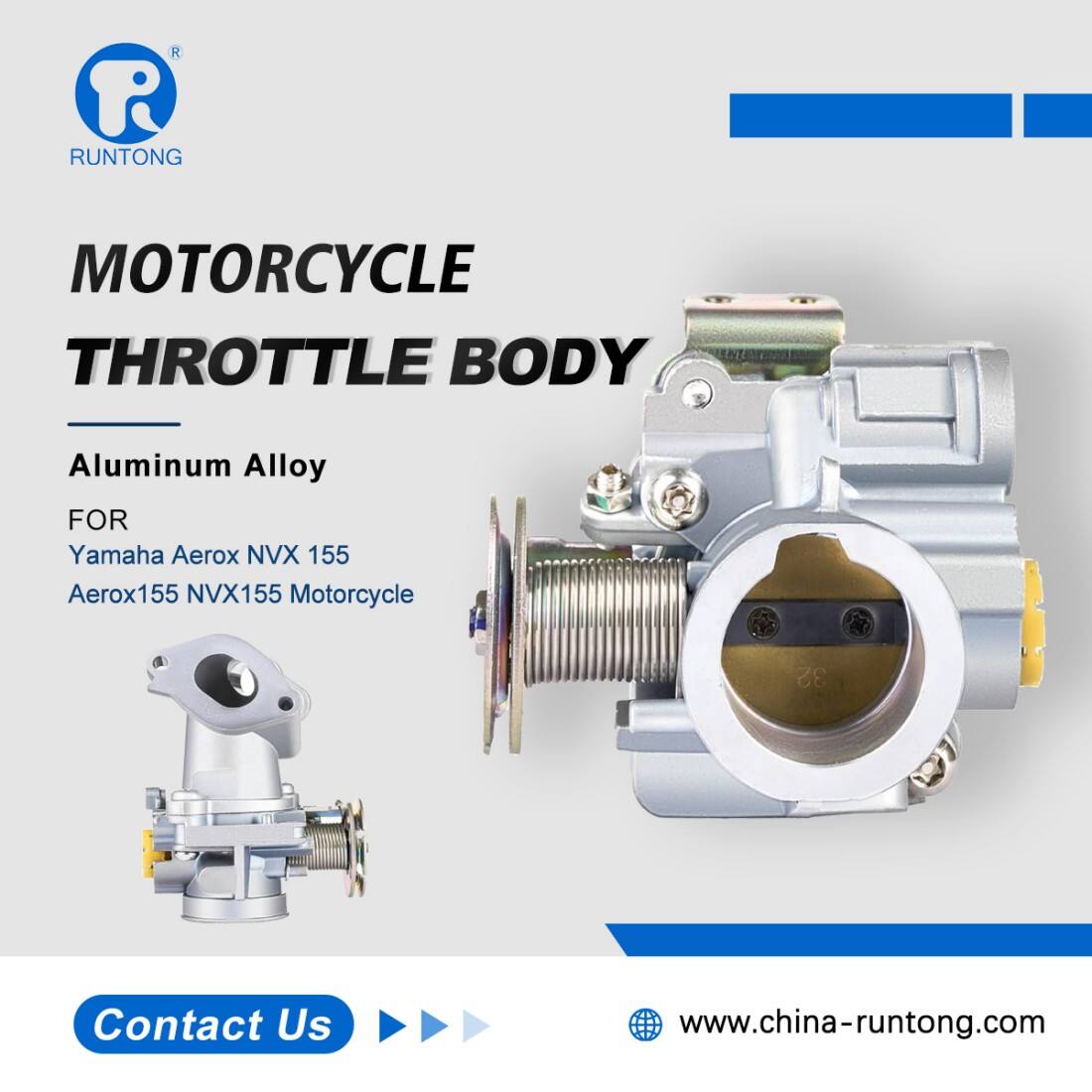
Aftermarket Yamaha Aerox155 Nvx155 Throttle Body Brings Better Driving Experience

29

Jul

Aftermarket Yamaha Aerox155 Nvx155 Throttle Body Brings Better Driving Experience

View More

Get a Free Quote

Our representative will contact you soon.
Email
Name
Company Name
Message
0/1000

rear speed sensor

Advanced Safety Integration

Advanced Safety Integration

The rear speed sensor's integration with vehicle safety systems represents a breakthrough in automotive safety technology. This sophisticated integration enables seamless communication between various safety components, creating a comprehensive safety network that actively protects vehicle occupants. The sensor's ability to provide instantaneous wheel speed data allows the vehicle's computer systems to make split-second adjustments to braking force, stability control, and traction management. This real-time response capability is particularly crucial in emergency situations where milliseconds can make a significant difference in accident prevention. The system's advanced algorithms process sensor data to predict and prevent potential stability issues before they become critical, effectively serving as a proactive safety measure rather than just a reactive one.
Durability and Reliability

Durability and Reliability

The engineering excellence behind the rear speed sensor's design ensures exceptional durability and reliability under diverse operating conditions. The sensor's construction incorporates high-grade materials and protective coatings that shield sensitive components from environmental hazards such as water, dust, and extreme temperatures. This robust design approach results in a sensor that maintains consistent performance throughout its operational life, even under challenging conditions. The sensor's self-diagnostic capabilities continuously monitor its own performance, alerting drivers to any potential issues before they can impact vehicle safety. This proactive monitoring system significantly reduces the likelihood of unexpected sensor failures and ensures optimal performance throughout the sensor's lifespan.
Performance Optimization

Performance Optimization

The rear speed sensor's contribution to vehicle performance optimization extends far beyond basic speed monitoring. By providing precise wheel speed data, the sensor enables sophisticated traction control systems to optimize power delivery to the wheels, resulting in improved acceleration and handling characteristics. This optimization capability is particularly valuable in performance-oriented driving situations where maximum grip and stability are essential. The sensor's data also contributes to improved fuel efficiency by helping maintain optimal vehicle speed and reducing unnecessary wheel spin. The integration with the vehicle's electronic control systems allows for dynamic adjustments to various performance parameters, ensuring the best possible balance between performance, safety, and efficiency in all driving conditions.

Get a Free Quote

Our representative will contact you soon.
Email
Name
Company Name
Message
0/1000