
 EN
EN
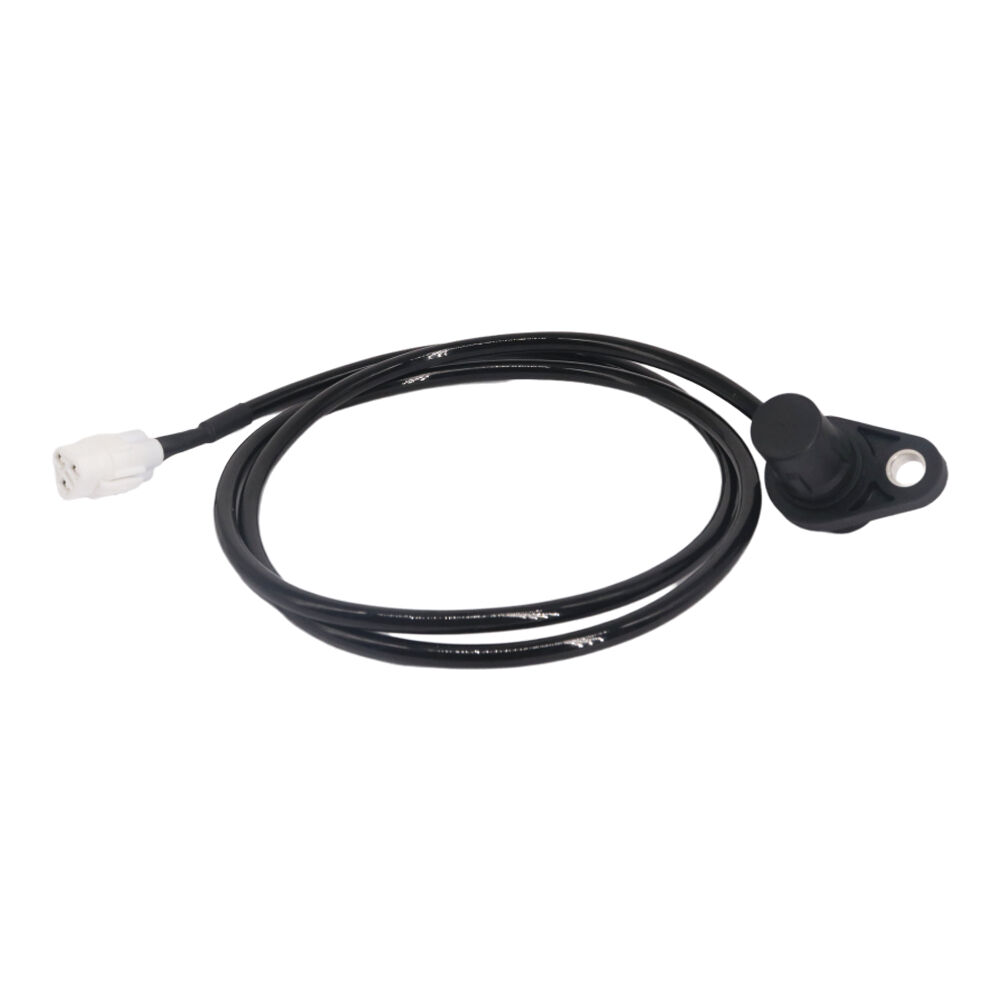
A speed sensor is one of the most critical electronic components on any motorcycle or vehicle, quietly performing its job every time the wheels turn. When it functions correctly, the rider or driver barely thinks about it — but when it starts to fail, the effects can ripple through multiple systems simultaneously. Knowing how to recognize the early and late-stage warning signs of a failing speed sensor is not just a matter of maintenance convenience; it is a matter of safety, performance, and avoiding costly diagnostic errors down the line.
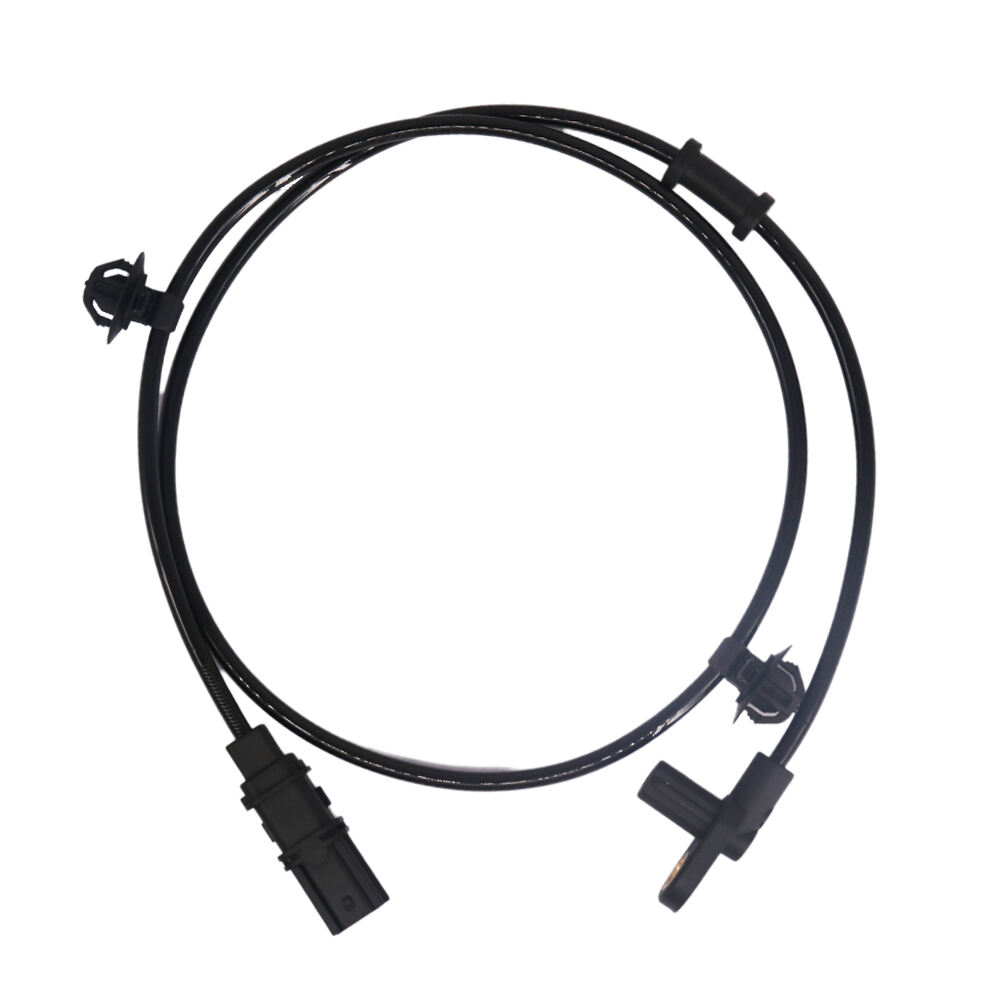
Most riders and vehicle owners discover a faulty speed sensor only after symptoms have progressed to the point where the vehicle's behavior becomes noticeably abnormal. However, there are practical ways to detect a problem much earlier. This article walks through the key indicators that reveal when a speed sensor is degrading or has already failed, what those symptoms mean in context, and what decisions you should make before the situation becomes more serious.
Understanding What a Speed Sensor Actually Does
The Role of the Speed Sensor in Vehicle Systems
The speed sensor measures the rotational speed of a wheel or shaft and transmits that data to the vehicle's electronic control unit (ECU) or ABS module. This real-time signal feeds critical calculations including wheel speed, ground velocity, traction behavior, and braking response. Without an accurate signal from the speed sensor, the ECU essentially loses one of its most relied-upon data inputs.
On motorcycles equipped with ABS, the front or rear wheel speed sensor is especially important because the anti-lock braking system depends entirely on comparing wheel speed data during braking. If the speed sensor sends an erratic or missing signal, the ABS system may deactivate or behave unpredictably, which is a serious safety concern.
Beyond ABS, the speed sensor also plays a role in speedometer accuracy, traction control where applicable, and engine management on more complex platforms. A sensor that begins producing intermittent readings causes cascading errors across all connected systems — which is why diagnosing it early matters.
Types of Speed Sensors Found on Motorcycles and Vehicles
There are generally two common types of speed sensor designs used on motorcycles and light vehicles: Hall effect sensors and variable reluctance sensors. Hall effect sensors use a magnetic field and semiconductor to generate a digital pulse signal, while variable reluctance sensors rely on electromagnetic induction to generate an analog signal. Both serve the same fundamental purpose, but they wear and fail in slightly different ways.
The Hall effect speed sensor is more common in modern motorcycles because it delivers a cleaner digital signal and functions reliably at low speeds. Knowing which type your vehicle uses is helpful when interpreting diagnostic codes, but from the perspective of symptom recognition, the warning signs are largely the same regardless of sensor type.
Early Warning Signs of a Failing Speed Sensor
Erratic or Frozen Speedometer Readings
One of the first and most obvious symptoms that the speed sensor may be failing is an erratic speedometer. The needle may jump unpredictably, freeze at a fixed reading, or drop to zero while the vehicle is still moving. Since the speedometer on most modern motorcycles receives its input directly from the speed sensor, any signal irregularity will immediately manifest on the gauge cluster.
Intermittent freezing is often the first stage of speed sensor failure. It may happen only under certain conditions — during vibration, at specific temperatures, or at higher wheel speeds — which can make it easy to dismiss initially. However, this intermittent behavior almost always escalates over time into more consistent failure.
If your speedometer behaves correctly most of the time but occasionally drops or spikes without explanation, this is a strong early indicator that the speed sensor should be inspected or tested before the problem becomes complete failure.
Illuminated ABS Warning Light
On ABS-equipped motorcycles, the ABS warning light is directly tied to the health of the wheel speed sensor. When the ECU or ABS module detects a missing, weak, or inconsistent signal from the speed sensor, it will typically disable the ABS system and activate the warning indicator. This is a protective mechanism — the system would rather alert the rider and deactivate than attempt to function with unreliable data.
An illuminated ABS warning light should never be ignored, even if the motorcycle seems to brake normally. Without ABS function, the rider loses an important safety layer during emergency braking scenarios. The speed sensor is statistically one of the most common causes of an ABS fault code, so it should be among the first components checked whenever this light appears.
Pairing the ABS warning light observation with a proper OBD or diagnostic scan tool reading will often confirm whether the fault code points specifically to the wheel speed sensor circuit, which makes the diagnostic process much more efficient.
Physical and Environmental Signs of Speed Sensor Deterioration
Visible Damage to the Sensor or Its Wiring
Because the speed sensor is mounted close to the wheel hub or brake rotor, it is exposed to significant physical hazards. Road debris, gravel impact, excessive heat from braking components, and moisture intrusion can all cause physical damage to the sensor body or its connector. A visual inspection often reveals cracked housings, corroded terminals, or damaged wiring that explains erratic readings.
The wiring harness connecting the speed sensor to the ECU is particularly vulnerable to chafing damage. As the wire runs along the fork leg or swingarm, it can rub against metal components over time, eventually exposing bare wire that causes intermittent short circuits. This type of damage can mimic many different electrical faults, but tracing the issue back to the speed sensor wiring is often the solution.
Connectors should be inspected for corrosion, which restricts signal flow and causes resistance-related signal errors. Even if the speed sensor element itself is intact, a corroded connector can produce the same symptoms as a fully failed sensor. Cleaning connectors and reseating plugs is always a recommended first step before condemning the sensor entirely.
Magnetic Tip Contamination and Sensor Gap Issues
Many speed sensor designs use a magnetic tip that reads pulses from a toothed ring or tone wheel. If metallic debris, brake dust, or ferrous particles accumulate on the magnetic tip of the speed sensor, they can disrupt the electromagnetic field and cause inaccurate or missing pulse signals. This is particularly common in high-mileage applications or in environments where the wheel area is exposed to significant contamination.
The air gap between the speed sensor tip and the tone wheel is also a critical factor. If the sensor has shifted in its mount due to vibration or impact, or if the tone wheel has been damaged, the gap may be too large for reliable signal generation. A quick check of the sensor's mounting position and the condition of the tone wheel can confirm or rule out this cause.
Diagnostic Confirmation Methods for Speed Sensor Failure
Reading Fault Codes with a Diagnostic Scanner
The most reliable way to confirm a speed sensor fault is to connect a diagnostic scanner that can read live sensor data and stored fault codes. Modern ECUs log error codes whenever the speed sensor signal falls outside expected parameters. These codes point to the specific wheel (front or rear), the nature of the fault (open circuit, short to ground, implausible signal), and often the duration of the fault event.
Live data mode on a diagnostic tool is particularly valuable because it allows you to watch the speed sensor output in real time. Spinning the wheel by hand while monitoring the signal can reveal whether the sensor is producing a consistent pulse train or dropping out intermittently. This live confirmation removes ambiguity from the diagnosis and helps differentiate a sensor fault from a wiring fault or tone wheel damage.
For motorcycles without sophisticated onboard diagnostics, a multimeter can be used to check the sensor's resistance (for variable reluctance types) or supply voltage and output signal (for Hall effect types) against the manufacturer's specified values. Any deviation from specification is grounds for replacement of the speed sensor.
Confirming Replacement Is the Right Decision
Once diagnostic steps have pointed clearly to the speed sensor as the fault source, replacement is almost always the right action. Repairing the sensor element itself is generally not practical — the cost and precision required make a new unit the more reliable and cost-effective solution. What matters at this stage is selecting a compatible replacement that meets OEM specifications for your specific application.
For Honda CC110 Cross Cub 110 owners, a purpose-built OEM-specification speed sensor ensures that the replacement part matches the original mounting dimensions, connector pinout, and signal output characteristics. Using a sensor designed specifically for the model eliminates compatibility uncertainty and restores full ABS and speedometer function.
After fitting a new speed sensor, it is important to clear stored fault codes from the ECU and confirm through a test ride that the speedometer readings are stable, the ABS warning light has extinguished, and braking behavior feels normal. These post-replacement checks validate that the installation was successful and no secondary faults remain in the system.
How Riding Conditions Accelerate Speed Sensor Wear
The Impact of Terrain and Weather Exposure
Motorcycles used in mixed terrain, urban commuting, or wet-weather conditions expose the speed sensor to accelerated wear conditions. Water ingress through a degraded seal can cause internal corrosion of the sensor element, and freeze-thaw cycles in cold climates can crack the sensor housing or loosen its mounting bracket. Riders in regions with road salt use should be especially attentive, since salt accelerates corrosion of the sensor body, tone wheel, and wiring connectors.
Off-road or cross-terrain use introduces a different set of threats. Mud, gravel, and debris can physically impact the speed sensor during riding, gradually eroding the housing or shifting the mounting position. Regular inspection is a basic maintenance habit that pays off significantly in early fault detection, especially for riders who cover varied terrain regularly.
Mileage Thresholds and Maintenance Intervals
There is no fixed mileage interval at which a speed sensor is guaranteed to fail — unlike brake pads or engine oil, it does not follow a predictable consumption curve. However, high-mileage vehicles (typically beyond 40,000 to 60,000 kilometers depending on conditions) should have the speed sensor inspected as part of routine electrical maintenance, particularly if any of the symptoms described in this article have appeared.
Proactive inspection during scheduled service allows a technician to assess the sensor's wiring insulation integrity, connector cleanliness, and mounting stability before a fault develops into a full failure event. A healthy speed sensor that is simply cleaned and reseated during a service interval can last considerably longer than one that is neglected until it fails on the road.
FAQ
Can a failing speed sensor cause ABS to stop working completely?
Yes. The ABS system relies entirely on accurate wheel speed data from the speed sensor. If the sensor produces an implausible or missing signal, the ABS module will deactivate the system and trigger a warning light. Until the faulty speed sensor is replaced and the fault code is cleared, ABS will remain disabled.
Is it safe to continue riding with a faulty speed sensor?
It depends on the severity of the fault. If the speed sensor failure has only affected the speedometer reading, short-distance riding at cautious speeds may be manageable temporarily. However, if ABS has also been deactivated due to the sensor fault, riding in traffic or wet conditions carries increased braking risk. Replacement should be prioritized promptly in that scenario.
How do I know if the tone wheel is damaged rather than the speed sensor?
A visual inspection of the tone wheel teeth is usually sufficient. If the teeth are bent, chipped, or missing in sections, the tone wheel is the cause of the irregular signal rather than the speed sensor itself. A scan tool can also help — if the signal is irregular only over specific wheel rotation angles and the sensor passes resistance tests, tone wheel damage is likely the root cause.
Does replacing the speed sensor require special tools?
On most motorcycles, including the Honda CC110 Cross Cub 110, replacing the front wheel speed sensor requires only basic hand tools — typically a socket set and screwdrivers. The more important requirement is clearing fault codes after installation using a diagnostic tool so the ECU accepts the new speed sensor and re-enables any systems that were deactivated during the fault period.